
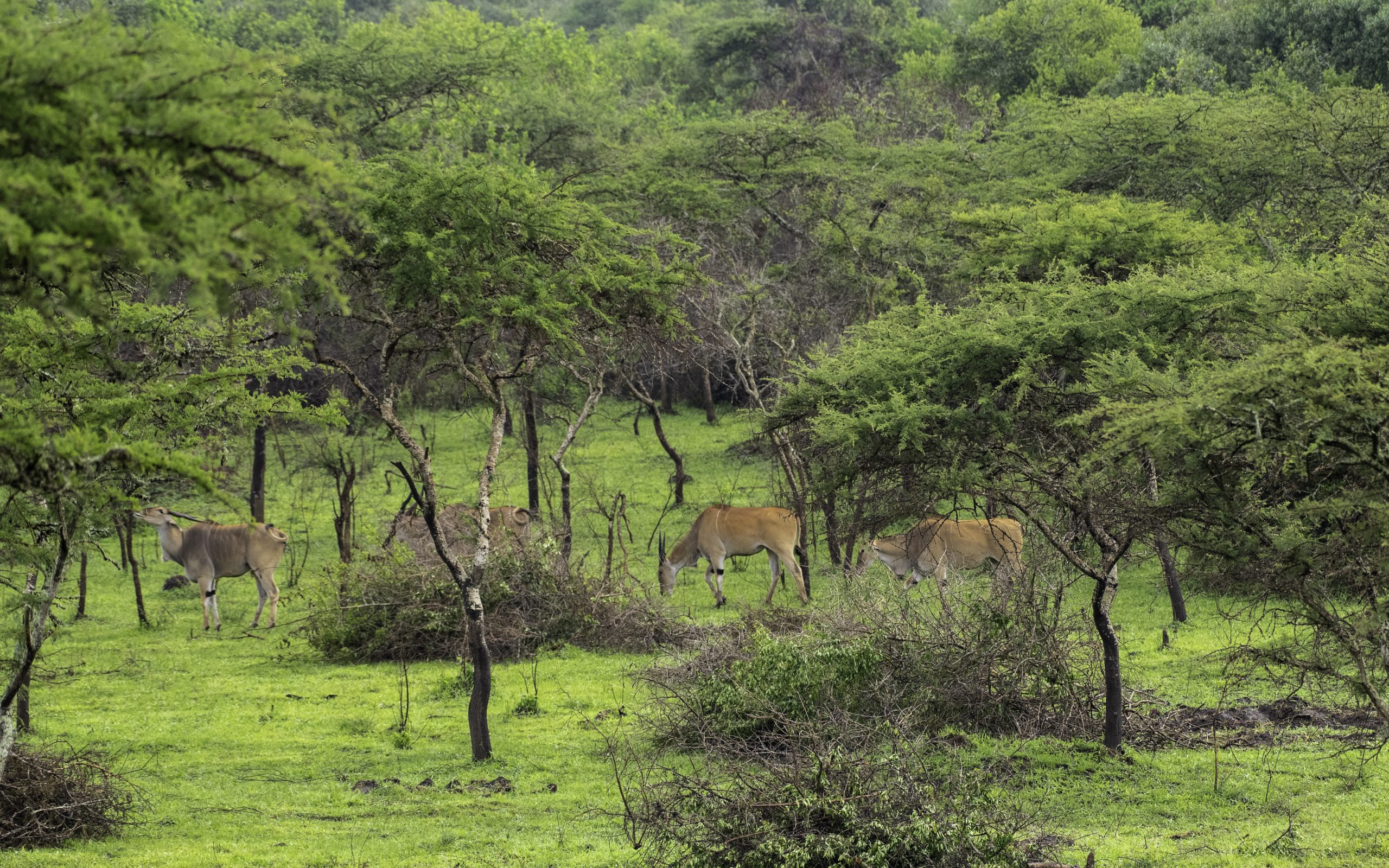
Conservation Society
Conservation Society
The Role and Impact of Conservation Societies in East Africa: A Deep Dive into Biodiversity Preservation
Introduction
East Africa, a region renowned for its breathtaking landscapes, diverse ecosystems, and iconic wildlife, has long been a focal point for global conservation efforts. From the snow-capped peaks of Mount Kilimanjaro to the sprawling savannahs of the Serengeti, this region is home to some of the world’s most endangered species and fragile habitats. At the heart of preserving this natural heritage are the dedicated efforts of conservation societies in East Africa.
These organizations play a pivotal role in safeguarding biodiversity, promoting sustainable development, and engaging local communities. In this comprehensive article, we will explore the history, objectives, achievements, and challenges faced by conservation societies in East Africa. We’ll also examine their strategies, partnerships, and the future of conservation in the region.
Understanding Conservation Societies
What Are Conservation Societies?
Conservation societies are non-governmental organizations (NGOs) or community-based groups that work to protect natural environments and wildlife. Their mission often encompasses:
- Biodiversity conservation
- Environmental education
- Habitat restoration
- Community engagement
- Policy advocacy
In East Africa, these societies are instrumental in addressing threats such as poaching, deforestation, climate change, and human-wildlife conflict.
The Importance of Conservation in East Africa
East Africa is a biodiversity hotspot. Countries like Kenya, Tanzania, Uganda, Rwanda, and Ethiopia boast unique ecosystems that are home to:
- The “Big Five” (lion, elephant, buffalo, leopard, and rhinoceros)
- Mountain gorillas in the Virunga Mountains
- Endemic bird species in the Great Rift Valley
- Marine life along the Indian Ocean coast
Without effective conservation, these species and habitats face extinction due to increasing anthropogenic pressures.
Leading Conservation Societies in East Africa
1. African Wildlife Foundation (AWF)
The African Wildlife Foundation is one of the most prominent conservation organizations in East Africa. Founded in 1961, AWF focuses on:
- Protecting endangered species
- Conserving critical landscapes
- Empowering local communities through conservation enterprises
2. Wildlife Conservation Society (WCS)
The Wildlife Conservation Society operates in several East African countries, including Uganda and Tanzania. Their work includes:
- Scientific research
- Anti-poaching initiatives
- Protected area management
3. East African Wildlife Society (EAWLS)
Established in 1961, the East African Wildlife Society is a regional NGO that promotes conservation through:
- Environmental education
- Policy advocacy
- Community-based conservation
4. Jane Goodall Institute (JGI)
The Jane Goodall Institute has a strong presence in Tanzania, where it focuses on:
- Chimpanzee conservation
- Forest protection
- Youth engagement through the Roots & Shoots program
5. Nature Kenya and Nature Uganda
These are national partners of BirdLife International, focusing on:
- Bird conservation
- Habitat monitoring
- Community-based eco-tourism
Core Strategies of Conservation Societies
Habitat Protection and Restoration
Conservation societies work to protect and restore critical habitats such as:
- Forests (e.g., Mau Forest in Kenya)
- Wetlands (e.g., Lake Victoria Basin)
- Marine ecosystems (e.g., coral reefs in Zanzibar)
They achieve this through:
- Land acquisition and protection
- Reforestation programs
- Sustainable land-use planning
Wildlife Monitoring and Research
Scientific research is the backbone of effective conservation. Societies conduct:
- Population surveys
- GPS tracking of endangered species
- Genetic studies for species identification
Anti-Poaching and Law Enforcement
Poaching remains a significant threat in East Africa. Conservation societies support:
- Ranger training and deployment
- Use of technology like drones and camera traps
- Collaboration with law enforcement agencies
Community Engagement and Education
Long-term conservation success depends on local communities. Societies engage them through:
- Environmental education programs
- Alternative livelihoods (e.g., beekeeping, eco-tourism)
- Community-managed conservation areas
Policy Advocacy
Conservation societies influence environmental policy by:
- Participating in legislative processes
- Lobbying for stronger wildlife protection laws
- Engaging in international treaties (e.g., CITES)
Success Stories from the Region
The Revival of the Mountain Gorilla Population
Thanks to coordinated efforts by organizations like the Dian Fossey Gorilla Fund and local governments, the mountain gorilla population in the Virunga Mountains has increased from fewer than 300 in the 1980s to over 1,000 today.
Community Conservancies in Kenya
The Northern Rangelands Trust has helped establish over 30 community conservancies, covering more than 42,000 km². These conservancies have led to:
- Increased wildlife populations
- Reduced poaching
- Improved livelihoods for local communities
Marine Conservation in Zanzibar
The Marine Conservation Zanzibar initiative has protected coral reefs and marine biodiversity through:
- Community-led marine protected areas
- Sustainable fishing practices
- Coral restoration projects
Challenges Faced by Conservation Societies
Despite their successes, conservation societies in East Africa face numerous challenges:
Climate Change
Rising temperatures and unpredictable rainfall patterns threaten ecosystems and species. For example:
- Coral bleaching in the Indian Ocean
- Droughts affecting savannah wildlife
Human-Wildlife Conflict
As human populations grow, conflicts arise over land and resources. Elephants raiding crops or lions attacking livestock often lead to retaliatory killings.
Limited Funding
Many societies rely on donor funding, which can be unpredictable. This affects their ability to:
- Maintain staff and operations
- Implement long-term projects
- Invest in new technologies
Political Instability
In regions affected by conflict or weak governance, conservation efforts are often disrupted or deprioritized.
The Role of Technology in Conservation
Modern conservation efforts increasingly rely on technology. Examples include:
- Drones for aerial surveillance
- Camera traps for wildlife monitoring
- GIS mapping for habitat analysis
- Mobile apps for community reporting
These tools enhance data collection, improve response times, and reduce costs.
Partnerships and International Collaboration
Conservation societies often collaborate with:
- Governments (e.g., Kenya Wildlife Service)
- International NGOs (e.g., WWF, IUCN)
- Academic institutions (e.g., University of Nairobi)
- Private sector (e.g., eco-tourism operators)
These partnerships bring in expertise, funding, and policy support.
The Future of Conservation in East Africa
The future depends on:
- Sustainable financing models (e.g., conservation trust funds)
- Youth involvement through education and employment
- Transboundary conservation (e.g., the Greater Virunga Landscape)
- Integration of indigenous knowledge into conservation planning
How You Can Support Conservation in East Africa
You don’t have to be on the ground to make a difference. Here’s how you can help:
- Donate to reputable organizations like AWF or EAWLS
- Volunteer for conservation projects
- Support eco-tourism initiatives
- Raise awareness through social media
- Adopt sustainable lifestyle choices
Frequently Asked Questions (FAQ)
1. What is the main goal of conservation societies in East Africa?
Their primary goal is to protect biodiversity and promote sustainable use of natural resources through community engagement, scientific research, and policy advocacy. Learn more at AWF.
2. How do conservation societies work with local communities?
They involve communities in decision-making, provide alternative livelihoods, and offer environmental education. For example, NRT supports community conservancies in Kenya.
3. What are the biggest threats to wildlife in East Africa?
Major threats include poaching, habitat loss, climate change, and human-wildlife conflict. Organizations like WCS are tackling these issues through innovative strategies.
4. How can tourists contribute to conservation?
By choosing eco-friendly lodges, respecting wildlife, and supporting local businesses, tourists can help fund conservation efforts. Visit EcoTourism Kenya for more information.
5. Are there volunteer opportunities with conservation societies?
Yes, many organizations offer volunteer programs. Check out Marine Conservation Zanzibar or JGI for opportunities.
Conclusion
Conservation societies in East Africa are the unsung heroes of biodiversity preservation. Through a combination of science, community engagement, and policy influence, they are shaping a sustainable future for the region’s rich natural heritage. Their work is not just about saving animals or trees—it’s about preserving the intricate web of life that sustains us all.
Whether you’re a traveler, donor, student, or policymaker, there’s a role for everyone in supporting conservation. The time to act is now—before the wild heart of East Africa fades into memory.