
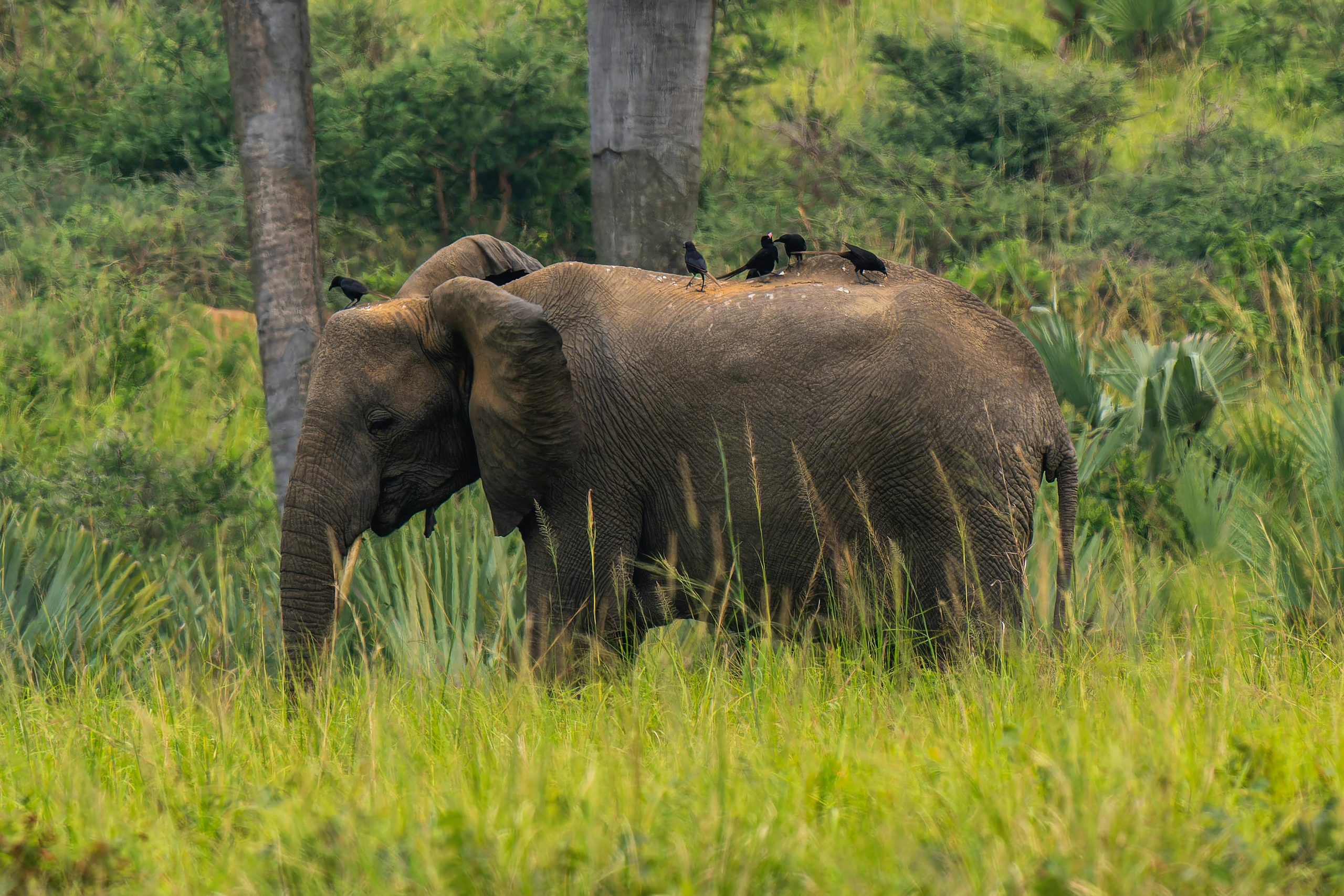
Conservation Uganda
Conservation Uganda
Conservation in Uganda and Wildlife Experiences with Turkana Wildlife Safaris Uganda
Uganda, widely known as the “Pearl of Africa,” is one of the most biologically diverse countries in the world. It is home to rainforests, savannahs, mountains, lakes, and wetlands that support an incredible variety of wildlife. Conservation in Uganda plays a major role in protecting this natural wealth, while tourism companies such as Turkana Wildlife Safaris Uganda help promote responsible and sustainable wildlife experiences.
Conservation in Uganda
Conservation in Uganda refers to the protection, management, and sustainable use of wildlife and natural ecosystems. The country has made strong efforts to preserve its biodiversity through national parks, wildlife reserves, and community conservation programs.
Major Conservation Areas in Uganda
Uganda has several important conservation sites, including:
- Bwindi Impenetrable National Park – Famous for protecting endangered mountain gorillas and rich forest biodiversity
- Murchison Falls National Park – Uganda’s largest national park, known for elephants, lions, giraffes, and the powerful Nile River waterfall
- Queen Elizabeth National Park – A diverse ecosystem with tree-climbing lions, hippos, and extensive birdlife
- Kibale National Park – One of Africa’s best destinations for chimpanzee tracking and primate research
These protected areas are managed by conservation authorities and supported by tourism revenue, research institutions, and local communities.
Importance of Wildlife Conservation in Uganda
Wildlife conservation in Uganda is essential for both environmental and economic reasons.
1. Protection of Endangered Species
Uganda is home to rare and endangered animals such as mountain gorillas, chimpanzees, and African elephants.
2. Preservation of Ecosystems
Forests, wetlands, and savannahs help regulate climate, water systems, and biodiversity.
3. Economic Benefits
Tourism generated from wildlife conservation supports jobs, infrastructure, and national income.
4. Community Development
Many conservation programs involve local communities, offering employment and education opportunities.
Sustainable Tourism and Conservation
Sustainable tourism is one of the most effective tools for conservation in Uganda. It ensures that wildlife and natural resources are protected while allowing visitors to experience them responsibly.
Tourism helps conservation by:
- Funding national parks and protection programs
- Supporting anti-poaching efforts
- Creating jobs for local communities
- Promoting environmental awareness
Safari companies play a key role in encouraging responsible travel behavior.
Turkana Wildlife Safaris Uganda and Eco-Tourism
Turkana Wildlife Safaris Uganda is a tour operator that organizes wildlife safaris and nature experiences across Uganda and East Africa. The company focuses on providing guided tours that support conservation and responsible tourism.
Typical Safari Experiences Include:
- Wildlife game drives in national parks
- Gorilla trekking in rainforest parks
- Chimpanzee tracking experiences
- Birdwatching tours across Uganda’s diverse habitats
- Cultural visits to local communities
- Custom eco-tourism safari packages
By working closely with conservation areas and communities, safari operators like Turkana Wildlife Safaris Uganda help ensure that tourism benefits both people and wildlife.
Challenges Facing Conservation in Uganda
Despite progress, Uganda still faces several conservation challenges:
- Habitat destruction due to agriculture and settlement expansion
- Illegal wildlife trade and poaching
- Human-wildlife conflict near protected areas
- Climate change impacts on ecosystems
Ongoing conservation efforts are essential to address these issues.
Frequently Asked Questions (FAQs)
1. Why is Uganda important for wildlife conservation?
Uganda has one of the richest biodiversity systems in Africa, including rare species like mountain gorillas and chimpanzees.
2. What are the best national parks in Uganda?
Some of the most popular include Murchison Falls National Park, Queen Elizabeth National Park, Bwindi Impenetrable National Park, and Kibale National Park.
3. What does Turkana Wildlife Safaris Uganda offer?
They offer guided wildlife safaris, gorilla trekking tours, chimpanzee tracking, birdwatching, and cultural tourism experiences.
4. How does tourism support conservation in Uganda?
Tourism provides funding for conservation programs, creates jobs, and encourages communities to protect wildlife instead of exploiting it.
5. Is wildlife tourism in Uganda safe?
Yes. When guided by licensed safari operators, wildlife tourism in Uganda is safe and well-managed.
Conclusion
Conservation in Uganda is essential for protecting the country’s unique wildlife and natural ecosystems. National parks such as Bwindi, Murchison Falls, Queen Elizabeth, and Kibale are vital for biodiversity preservation and tourism development.
Tourism companies like Turkana Wildlife Safaris Uganda play an important role in promoting responsible travel that supports conservation efforts and benefits local communities. By combining tourism with environmental protection, Uganda continues to protect its natural heritage while offering unforgettable wildlife experiences to visitors from around the world.