
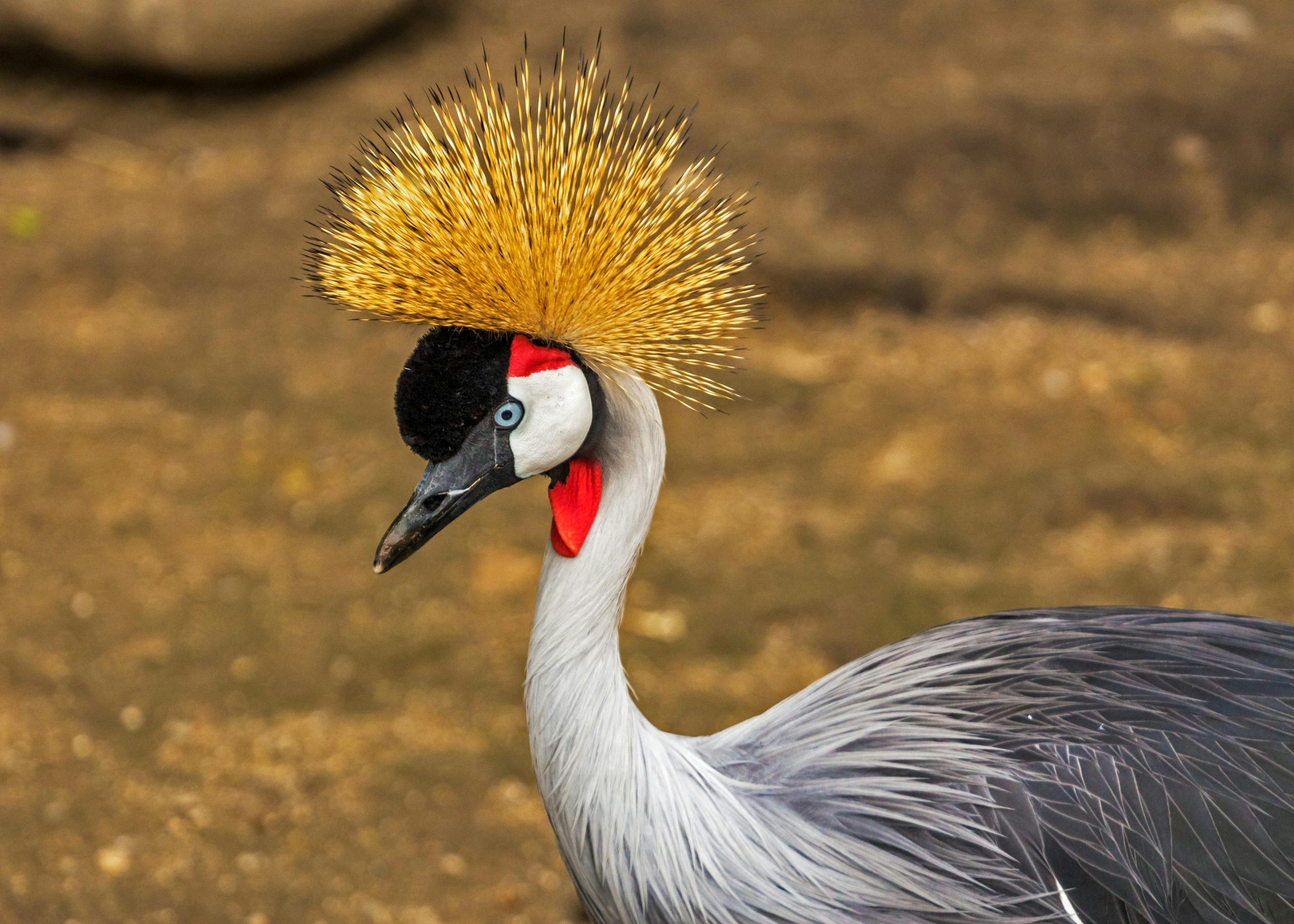
Crested Crane Uganda
Crested Crane Uganda
The Crested Crane of Uganda: A Symbol of Elegance, Culture, and Conservation
Introduction
The Crested Crane (Balearica regulorum gibbericeps) is more than just a bird in Uganda—it is a powerful emblem of national pride, ecological richness, and cultural heritage. Adorned with a golden crown of feathers and a graceful demeanor, this bird is not only the national symbol of Uganda but also a key attraction for birdwatchers and wildlife enthusiasts from around the world.
In this comprehensive guide, we’ll delve deep into the habitat, behavior, symbolism, and conservation efforts surrounding the Crested Crane. We’ll also explore how you can witness this majestic bird in its natural habitat through Uganda birding safaris and eco-tourism initiatives.
The Crested Crane: An Icon of Uganda
A National Emblem
The Grey Crowned Crane, commonly referred to as the Crested Crane, is prominently featured on Uganda’s national flag and coat of arms. Its poised stance and elegant plumage represent peace, prosperity, and the gentle nature of the Ugandan people.
- Scientific Name: Balearica regulorum gibbericeps
- Family: Gruidae
- Height: Up to 1 meter
- Wingspan: Approximately 2 meters
- Lifespan: 20–25 years in the wild
Cultural Significance
In Ugandan folklore and traditional ceremonies, the Crested Crane is revered for its beauty and grace. It often symbolizes:
- Harmony and unity among diverse communities
- Fertility and prosperity in agricultural societies
- Spiritual guidance in ancestral beliefs
Its dance-like courtship rituals have inspired traditional dances and songs across various Ugandan tribes.
Habitat and Distribution
Where to Find the Crested Crane
The Crested Crane thrives in the wetlands, grasslands, and savannahs of Uganda. It is commonly found in:
- Queen Elizabeth National Park
- Murchison Falls National Park
- Lake Mburo National Park
- Kidepo Valley National Park
- Mabamba Swamp – a popular birding spot near Kampala
These areas are accessible through customized wildlife safaris offered by reputable tour operators like Turkana Wildlife Safaris.
Preferred Ecosystems
Crested Cranes prefer:
- Freshwater marshes
- Floodplains
- Open grasslands near water bodies
Their diet includes insects, seeds, frogs, and small reptiles, making these ecosystems ideal for foraging.
Behavior and Breeding
Social and Mating Habits
Crested Cranes are monogamous and form lifelong bonds. Their elaborate courtship dances involve:
- Bowing and jumping
- Wing flapping
- Loud honking calls
These displays are not only a spectacle for birdwatchers but also a crucial part of their mating ritual.
Nesting and Rearing
- Breeding Season: Varies with rainfall, typically during the wet season
- Nesting Sites: Shallow wetlands with tall grasses
- Clutch Size: 2–4 eggs
- Incubation Period: 28–31 days
Both parents take part in incubating the eggs and feeding the chicks, showcasing a strong family structure.
Conservation Status
Threats to Survival
Despite being a national treasure, the Crested Crane faces numerous threats:
- Habitat destruction due to agriculture and urbanization
- Illegal trade and poaching
- Pollution and pesticide use
- Climate change affecting wetland ecosystems
IUCN Red List Status
The Crested Crane is currently listed as Endangered due to a significant decline in population across East Africa.
Conservation Efforts
Uganda has implemented several strategies to protect this iconic bird:
- Wetland restoration projects
- Community-based conservation programs
- Eco-tourism initiatives through organizations like Turkana Wildlife Safaris
- Educational campaigns to raise awareness
Birdwatching and Eco-Tourism
Why Birdwatching in Uganda?
Uganda is a birder’s paradise, home to over 1,000 bird species. The Crested Crane is among the most sought-after sightings due to its elegance and rarity.
Best Birding Spots to See the Crested Crane
- Mabamba Swamp – Ideal for both the Crested Crane and the elusive Shoebill Stork
- Lake Mburo National Park – Offers open savannahs perfect for crane spotting
- Semuliki National Park – A haven for rare and endemic bird species
Recommended Tours
These tours are led by expert guides who understand the behavioral patterns and habitats of the Crested Crane.
The Role of Eco-Tourism in Conservation
Community Involvement
Eco-tourism not only supports conservation but also empowers local communities by:
- Providing employment opportunities
- Promoting sustainable land use
- Encouraging environmental stewardship
How You Can Help
- Choose eco-friendly safari operators
- Support local conservation NGOs
- Avoid disturbing nesting sites
- Participate in citizen science bird counts
Interesting Facts About the Crested Crane
- It is one of the only crane species that can roost in trees, thanks to its long hind toe.
- The Crested Crane is known for its loud, booming call, which can be heard up to 2 kilometers away.
- It performs complex dances not only during mating season but also as a form of social bonding.
Frequently Asked Questions (FAQ)
1. Why is the Crested Crane the national bird of Uganda?
The Crested Crane symbolizes peace, elegance, and the rich biodiversity of Uganda. It is featured on the national flag and coat of arms, representing unity and pride.
2. Where can I see the Crested Crane in Uganda?
You can spot the Crested Crane in various national parks and wetlands, including Queen Elizabeth National Park, Mabamba Swamp, and Lake Mburo National Park.
3. What is the best time to go birdwatching in Uganda?
The best time is during the dry seasons: December to February and June to August. These months offer optimal conditions for birdwatching and wildlife safaris.
4. How is the Crested Crane protected in Uganda?
Uganda has implemented various conservation strategies, including wetland protection, anti-poaching laws, and eco-tourism initiatives through Turkana Wildlife Safaris.
5. Can I book a safari to see the Crested Crane?
Yes, several birding safari packages are available through trusted operators like Turkana Wildlife Safaris, offering guided tours to prime crane habitats.
Conclusion
The Crested Crane is not just a bird—it is a living symbol of Uganda’s soul. Its elegance, cultural significance, and ecological importance make it a treasure worth preserving. Whether you are a seasoned ornithologist or a curious traveler, witnessing the Crested Crane in its natural habitat is a profound experience.
By supporting sustainable tourism and conservation efforts, you contribute to the survival of this majestic species for generations to come.