
Cultural Safaris Uganda
Cultural Safaris Uganda
Cultural Safaris in Uganda: Immersive Encounters, Living Heritage, and Meaningful Travel
Uganda is often introduced through its iconic wildlife mountain gorillas in misty forests, lions sprawled in savannah shade, and the Nile surging north from Lake Victoria. Yet one of the most compelling reasons to travel here is cultural: the living traditions, languages, ceremonies, crafts, foodways, and everyday rhythms that make the “Pearl of Africa” a mosaic of identities.
A cultural safari in Uganda is not a museum tour. It’s an experience of people and place in real time—walking village paths with local guides, sharing stories over millet bread, learning why bark cloth matters, hearing royal histories in ancient kingdoms, and understanding how communities live alongside protected areas.
What Is a Cultural Safari in Uganda?
A cultural safari is a journey focused on authentic engagement with Uganda’s diverse communities. It may include:
- Guided village walks and homestead visits
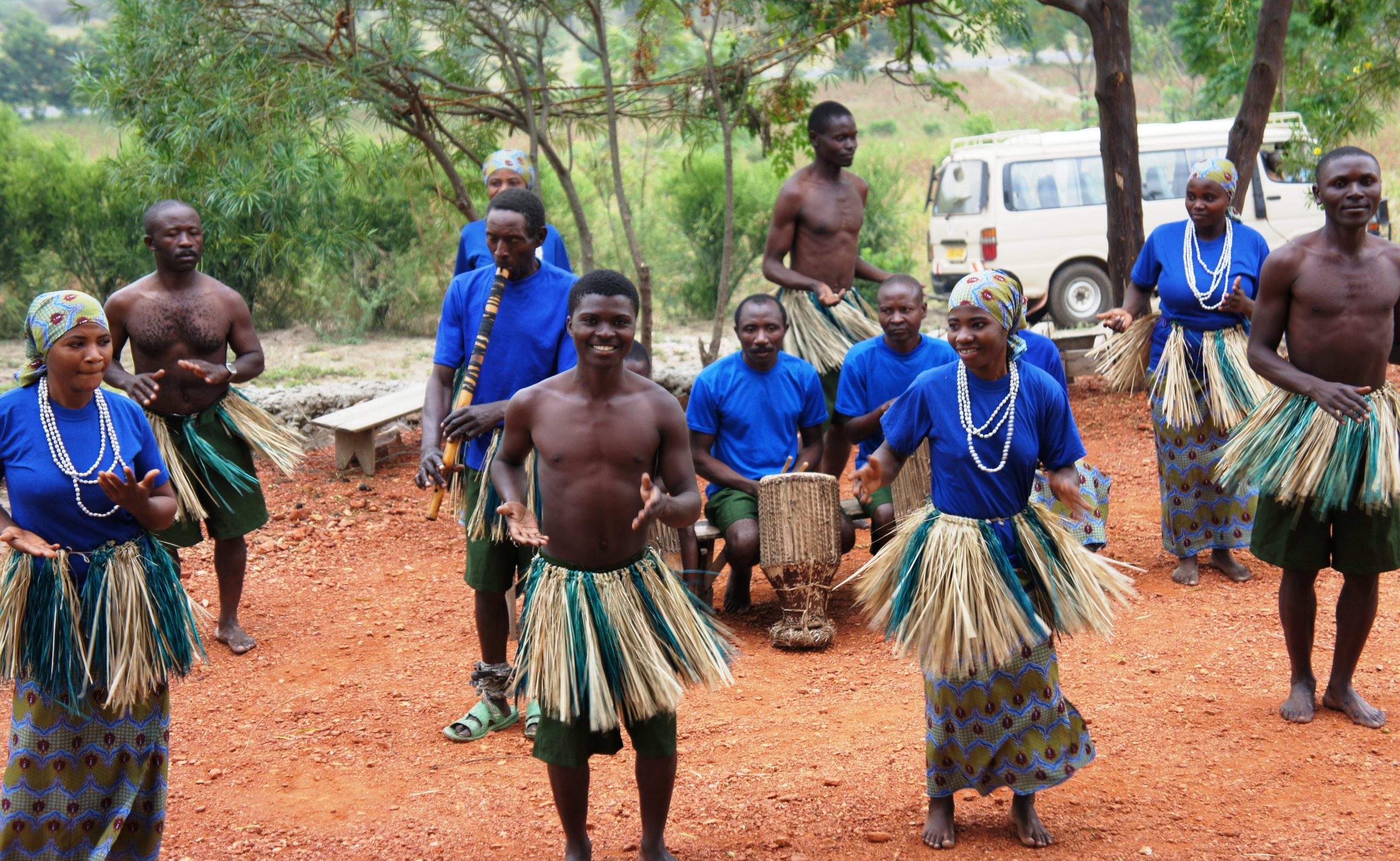
- Traditional music, dance, and storytelling sessions
- Craft workshops (weaving, pottery, beadwork, bark cloth)
- Cultural museums, heritage sites, and royal palaces
- Community-led conservation projects near national parks
- Food experiences: local markets, cooking demonstrations, tasting sessions
- Visits to historical, spiritual, and archaeological landmarks
Unlike staged “cultural shows,” a well-designed experience is community-led, respectful, fairly priced, and designed to benefit local livelihoods.
If you’re new to planning trips in East Africa, start with a broader safari overview from Turkana Wildlife Safaris and then layer cultural extensions into your route.
Why Uganda Is Exceptional for Cultural Travel
Uganda’s cultural depth stems from its remarkable diversity. The country is home to dozens of ethnic groups and languages, with both centralized kingdoms and decentralized pastoral societies shaping regional identities.
Key reasons Uganda stands out:
- Strong living traditions: clans, ceremonial practices, local leadership structures
- Historic kingdoms such as Buganda, Bunyoro, Toro, and Busoga
- Proximity of cultures to parks: communities around Bwindi, Queen Elizabeth, and Kidepo preserve distinct customs shaped by landscape
- Accessible heritage: cultural sites are reachable from major routes connecting wildlife destinations
For travelers who want a safari that feels personal and grounded, cultural immersion adds context to landscapes and wildlife encounters.
Top Cultural Safari Destinations in Uganda
1) Buganda Kingdom: Royal History and Contemporary Culture (Central Uganda)
Buganda is one of the most influential kingdoms in Uganda’s history and remains culturally vibrant today.
Highlights include:
- Kasubi Tombs (UNESCO heritage site; check accessibility updates due to restoration cycles)
- The story of Kabakas (kings), clan systems, and royal regalia
- Traditional architecture and heritage crafts
- Markets and food culture in Kampala and surrounding towns
Best for: history lovers, architecture enthusiasts, travelers with limited time who still want deep cultural context.
Helpful planning inspiration and regional safari logistics can be explored via Turkana Wildlife Safaris (use their safari planning approach and apply it to cultural routing).
2) Bwindi & Southwestern Uganda: Culture Around Gorilla Country
Many visitors come to Bwindi Impenetrable National Park for gorilla trekking, but the surrounding communities offer some of Uganda’s most moving cultural experiences.
Look for community-led activities such as:
- Batwa cultural encounters (best when community-managed, not exploitative)
- Local craft centers and cooperatives
- Storytelling, traditional performances, and forest heritage interpretation
- Farm visits (banana plantations, coffee experiences, bee-keeping)
Best for: travelers combining gorilla trekking with community experiences and ethical cultural tourism.
For safari travelers who are pairing wildlife and culture into one itinerary, you can draw general itinerary structure ideas from Turkana Wildlife Safaris.
3) Karamojong Culture Near Kidepo Valley (Northeastern Uganda)
If you want a cultural safari that feels truly off-the-beaten-path, head toward Kidepo Valley National Park and the surrounding Karamoja region.
Karamojong cultural experiences may include:
- Manyatta (homestead) visits with community permission
- Traditional pastoral practices and cattle culture
- Craftwork, beadwork, and storytelling
- Insight into contemporary changes: education, conservation, and livelihoods
Best for: adventurous travelers, photographers, and those seeking remote cultural depth.
Karamoja is also an area where safety, timing, and local guidance matter using an experienced operator model (like those who plan complex regional safaris, e.g., Turkana Wildlife Safaris) helps ensure smooth logistics.
4) Busoga and the Nile Source Region (Eastern Uganda)
The Jinja area is famous for adventure activities, but it also offers cultural layers particularly through the Busoga kingdom heritage and riverside community life.
Consider:
- Cultural heritage interpretation in Jinja area
- Market visits and local food tasting
- Community storytelling about the Nile and regional trade histories
Best for: travelers who want cultural activities alongside rafting, kayaking, or relaxed lakeside time.
5) Bunyoro-Kitara Heritage (Western Uganda)
Bunyoro’s historical significance is rooted in empire narratives, traditional leadership, and sites linked to the region’s deep past.
Look for:
- Palace and heritage storytelling (where accessible)
- Community cultural encounters around Hoima and nearby districts
- Traditional dances and crafts
Best for: travelers interested in Uganda’s precolonial history and kingdom structures.
How to Plan a Cultural Safari in Uganda (That Feels Authentic)
Cultural travel is at its best when it’s intentional. Here’s what to prioritize.
Choose Community-Led Experiences
A high-quality cultural encounter often has:
- Local guides who are part of the community
- Clear revenue sharing (community group, cooperative, or association)
- Consent-based interactions (especially around homes and rituals)
- Respectful photography guidelines
Build Enough Time into Your Itinerary
Culture isn’t a checkbox. Include half-day and full-day blocks where possible:
- A village walk works well in 2–4 hours
- A craft workshop may need 1–2 hours
- A community visit paired with storytelling and food can be half-day
- A heritage site visit may take 1–3 hours
A planning framework similar to classic safari pacing—often recommended by operators like Turkana Wildlife Safaris translates well: don’t overpack days, and allow time for meaningful engagement.
The Best Cultural Safari Combinations (Wildlife + Heritage)
Many travelers want both: primates, big game, and cultural immersion. These combinations work beautifully:
Gorilla Trekking + Community Encounters (Southwest)
- Gorilla trek in Bwindi
- Batwa-led forest heritage interpretation
- Craft cooperative visit
- Coffee/banana farm experience
Queen Elizabeth Wildlife + Cultural Lakeside Life (West)
- Game drives and boat safari
- Community experiences around crater lakes and fishing villages
- Local food and market visits
Kidepo Wildlife + Karamojong Culture (Northeast)
- Game drives in Kidepo
- Guided cultural visits with local elders
- Craft markets and storytelling sessions
For itinerary inspiration, browse Turkana Wildlife Safaris and adapt the sequencing principles to Uganda’s regions.
What to Expect on a Cultural Safari: Etiquette and Practical Tips
Cultural travel is rewarding when you show up with humility and curiosity.
Respectful Travel Guidelines
- Ask before taking photos—always
- Dress modestly in villages and spiritual sites
- Avoid giving money directly to children
- Buy crafts directly from cooperatives where possible
- Be mindful of sensitive topics (politics, poverty, trauma histories)
Useful Packing Ideas
- A lightweight scarf or wrap for modesty or sun
- A small notebook for names, phrases, stories
- Reusable water bottle
- Simple gifts only when appropriate and guided (e.g., school supplies via a community group)
Food and Markets: The Most Immediate Cultural Experience
A cultural safari isn’t complete without local cuisine. Uganda’s food is shaped by region, staples, and seasonal abundance.
Try experiences like:
- Market tours with tastings
- Home-cooked meals arranged through community hosts
- Learning about staple foods: matooke, millet, groundnuts, sweet potatoes
- Sampling local fruits in season
Food-centered experiences are also among the most respectful cultural activities, because they naturally support local producers.
Responsible Cultural Tourism: How to Avoid “Human Zoo” Experiences
The ethics of cultural tourism matter. The goal is mutual benefit, not spectacle.
Choose programs that:
- Are hosted by community organizations
- Provide transparent pricing
- Offer real storytelling and context
- Protect privacy and dignity
Avoid experiences that:
- Pressure people into performing for tips
- Encourage intrusive photography
- Involve unconsented visits to homes or ceremonies
If you’re using a tour planner, ask for details on how the community benefits. Reputable safari operators especially those that emphasize structured itineraries and local partnerships such as Turkana Wildlife Safaris tend to understand the importance of properly arranged community visits.
Sample 10-Day Cultural Safari Itinerary (Uganda)
Here’s a balanced itinerary model that blends heritage, wildlife, and community encounters:
- Kampala/Entebbe – city heritage walk, markets, Buganda cultural overview
- Jinja – Nile source region cultural exploration + optional adventure activity
- Murchison Falls region – wildlife + community experience near the park
- Murchison Falls – game drive + boat safari
- Transfer to Kibale – tea landscapes, local community stop
- Kibale – chimp trekking + cultural village walk
- Queen Elizabeth – wildlife + lakeside community experience
- Bwindi – gorilla trek + local craft cooperative visit
- Bwindi area – Batwa-led cultural encounter (ethical, community-led)
- Return to Entebbe – shopping for crafts, departure
You can model the route-building logic using safari structuring ideas similar to those outlined by Turkana Wildlife Safaris, then tailor it specifically to Uganda.
Frequently Asked Questions (FAQ)
1) What is the best time of year for a cultural safari in Uganda?
Uganda is a year-round destination, but drier months typically make travel easier on rural roads. Cultural experiences are available year-round, while festival timing varies by region. For broader safari seasonality planning, consult a professional itinerary approach such as Turkana Wildlife Safaris.
2) Are cultural visits in Uganda respectful and ethical?
They can be if they’re community-led, consent-based, and fairly paid. Choose cooperatives and local associations, avoid intrusive “performances,” and follow local guidelines.
3) Can I combine gorilla trekking with cultural experiences?
Yes, this is one of Uganda’s strongest combinations. Many communities near Bwindi offer guided experiences that complement gorilla trekking with history, crafts, and storytelling.
4) How many days do I need for a meaningful cultural safari?
A short cultural add-on can be half a day, but a meaningful cultural safari typically needs 5–10 days to include multiple regions and avoid rushing.
5) What should I look for when choosing a cultural safari operator?
Look for transparency, local partnerships, fair pricing, flexible pacing, and clear ethics. Use experienced safari planning benchmarks (like those found through Turkana Wildlife Safaris) and ask specifically how cultural activities are arranged and who benefits.
Conclusion: Culture Is the Soul of a Ugandan Safari
Wildlife may bring you to Uganda, but cultural connection is what makes the journey linger in memory. The most rewarding cultural safaris aren’t about collecting photos they’re about understanding stories, honoring living heritage, and traveling in a way that supports communities.