
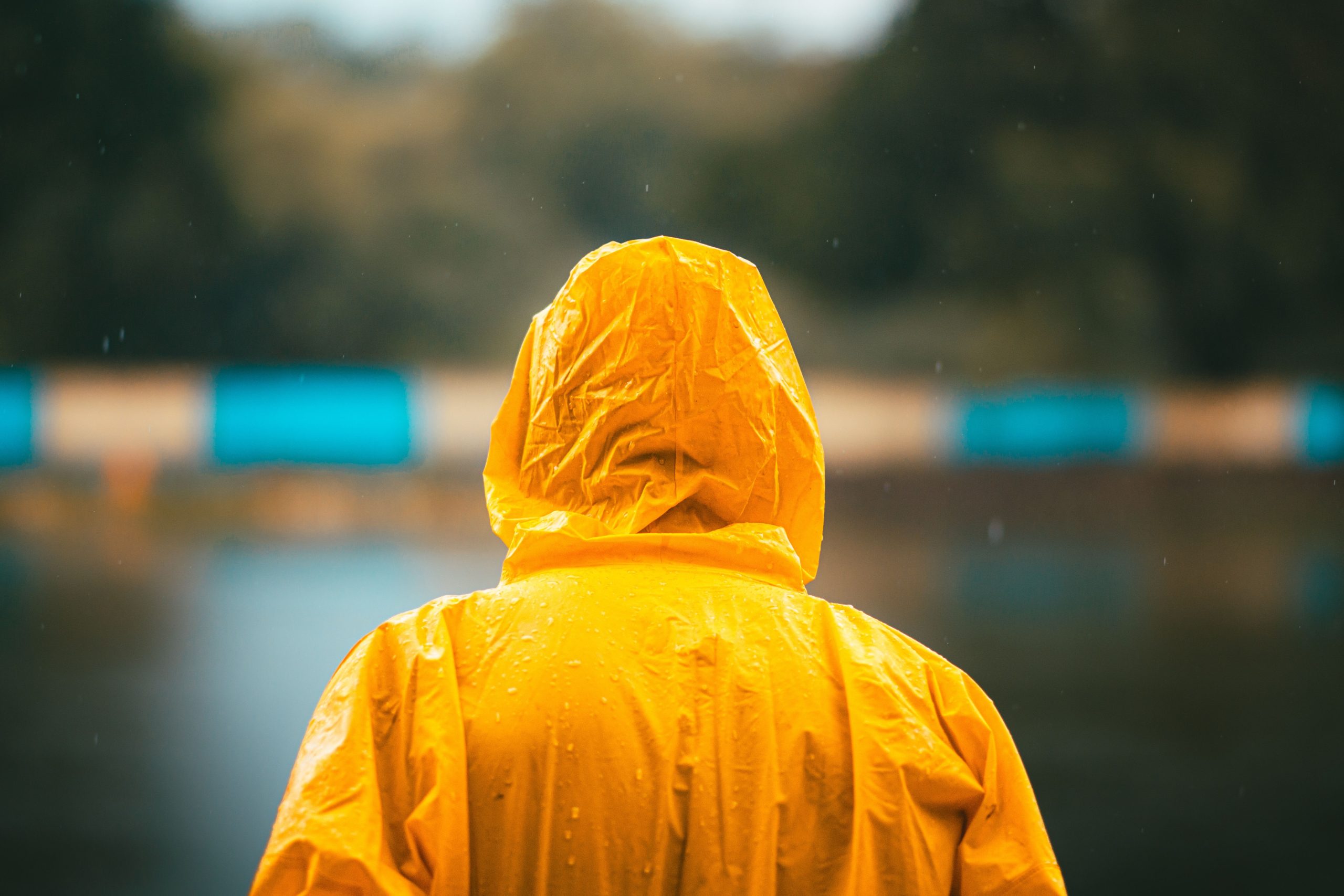
Do I need rain gear for Uganda safaris
Do I need rain gear for Uganda safaris
Do I Need Rain Gear for Uganda Safaris? Essential Packing Guide
Introduction
Uganda, often called the Pearl of Africa, offers some of the most spectacular safari experiences on the continent. From tracking mountain gorillas in Bwindi Impenetrable Forest to game drives across Queen Elizabeth National Park, this East African nation delivers adventure at every turn. One question that consistently arises among travelers planning their Uganda safari is whether rain gear is truly necessary. The short answer is a resounding yes. Rain gear is not merely a helpful accessory for a Uganda safari; it is an essential piece of equipment that can make the difference between a comfortable, enjoyable adventure and a soggy, miserable one.
This comprehensive guide will explain why rain gear matters for Uganda safaris, what types of gear you need, and how to prepare for the unpredictable tropical weather that characterizes this beautiful country.
Understanding Uganda’s Climate and Weather Patterns
Uganda enjoys a tropical climate with temperatures typically ranging from 21 to 25 degrees Celsius, though mountainous areas like Bwindi and the Rwenzori Mountains can be considerably cooler. The country experiences two distinct dry seasons and two rainy seasons, and understanding these patterns is crucial for planning your safari.
The dry seasons run from June to August and December to February. These months are generally considered the best time for gorilla trekking and wildlife safaris, offering easier hiking conditions and optimal wildlife viewing opportunities. However, even during these dry months, rain can and does occur. Uganda does not follow a perfectly fixed weather script, and the skies can flip from sunshine to storm in minutes.
The rainy seasons occur from March to May and again from September to November. During these periods, heavy downpours can flood roads and turn forest trails into slippery, muddy challenges. April is typically the wettest month, bringing lush green landscapes alongside slippery forest trails and thicker foliage. While these months see fewer crowds and lower lodge rates, they demand proper rain protection.
What makes Uganda particularly challenging is that rain can happen at any time of year, especially in the national parks and forest regions. Even if you are not traveling during the official rainy season, Uganda can experience rain any time of year, particularly in the western regions and high-altitude areas.
Why Rain Gear Is Essential for Uganda Safaris
Gorilla Trekking in Wet Conditions
Mountain gorilla trekking is the crown jewel of many Uganda safaris, taking place in the dense rainforests of Bwindi Impenetrable Forest and Mgahinga Gorilla National Park. These forests are often wet and humid, creating conditions where rain gear becomes non-negotiable. Waterproof rain jackets with hoods are recommended for gorilla trekking throughout the year because it can rain and drizzle at any time. The trails in Bwindi can become extremely muddy and slippery, making waterproof gear essential for both comfort and safety.
Unpredictable Tropical Showers
Uganda’s equatorial location means weather patterns are notoriously unpredictable. A beautiful sunny morning can transform into a torrential downpour within minutes. This unpredictability is precisely why experienced safari operators recommend having rain gear within reach at all times, even on mornings that appear clear and promising.
Protection During Game Drives
Game drives in open safari vehicles expose you directly to the elements. While many safari vehicles feature pop-up roofs for wildlife viewing, these roofs do not provide complete protection during heavy rain. A quality rain jacket or poncho allows you to continue enjoying wildlife sightings even when the skies open up.
Comfort in Cool Mountain Conditions
The higher altitude regions of Uganda, including Bwindi, Kabale, and the Rwenzori Mountains, experience significantly cooler temperatures than the lowland savannahs. Rain combined with cool mountain air can create genuinely uncomfortable conditions without proper waterproof layers.
What Rain Gear Should You Pack for Your Uganda Safari
Waterproof Rain Jacket
A lightweight, waterproof rain jacket is the single most important piece of rain gear for your Uganda safari. Look for jackets that are genuinely waterproof rather than merely water-resistant, as showers in Uganda are unpredictable and can be intense. A hood is essential, and the jacket should be breathable to prevent overheating during physical activities like trekking.
Waterproof Trousers or Rain Pants
For forest treks and gorilla tracking, waterproof trousers are invaluable. These protect your legs from wet vegetation, mud, and rain, allowing you to navigate slippery paths without becoming drenched. Look for options that can be worn over your regular safari trousers and that pack down compactly in your daypack.
Rain Poncho
A lightweight rain poncho offers an excellent backup option and can be particularly useful for game drives when you need quick protection without removing your camera or binoculars. Ponchos are also excellent for protecting your daypack and camera equipment from sudden showers.
Waterproof Walking Boots
Strong waterproof walking boots are essential for Uganda safaris, particularly for gorilla trekking and forest walks. These should be comfortable for going up steep hills and well broken in before your trip. Pants should be tucked into socks and boots while trekking to prevent insects and mud from entering.
Waterproof Daypack or Dry Bags
A small waterproof daypack or dry bags are recommended to protect your electronics, documents, and other essentials from rain. These are particularly important for carrying water, snacks, and rain gear during gorilla trekking excursions.
Rain Hat
A waterproof rain hat provides additional protection for your face and neck, areas that are often exposed even when wearing a hooded rain jacket. This is particularly useful during game drives when you want to keep your hands free for photography.
Seasonal Considerations for Rain Gear
Traveling During the Dry Season
Even if you are visiting during the dry seasons of June to August or December to February, you should still pack rain gear. While the likelihood of rain is lower, Uganda’s tropical climate means showers can occur at any time. A lightweight, packable rain jacket takes up minimal space and provides peace of mind.
Traveling During the Rainy Season
If your safari falls during the rainy seasons of March to May or September to November, comprehensive rain gear is absolutely essential. During these periods, you should pack waterproof jackets, waterproof trousers, rain hats, and waterproof boots without compromise. The wet season from March to May provides plenty of rain and thunderstorms, and you will need full protection to enjoy your safari comfortably.
Tips for Managing Rain During Your Uganda Safari
Layer Your Clothing
Uganda’s variable weather means layering is key. Start with a moisture-wicking base layer, add an insulating mid-layer for cooler mornings and evenings, and top with your waterproof outer layer. This system allows you to adapt quickly as conditions change throughout the day.
Protect Your Camera Equipment
Bring waterproof bags or dry sacks for your camera and electronics. Sudden tropical showers can damage expensive equipment, and replacements may not be readily available in remote safari areas.
Use Lodge Amenities
Many safari lodges in Uganda provide umbrellas for guest use. Do not hesitate to use these for short walks around the lodge grounds, though they are not a substitute for proper rain gear during activities.
Embrace the Experience
Rain in Uganda transforms the landscape into a vibrant, lush paradise. The rain also tends to clear the air, creating excellent conditions for photography. Rather than viewing rain as a hindrance, embrace it as part of the authentic African safari experience.
Frequently Asked Questions
Is rain gear really necessary for a Uganda safari even during the dry season?
Yes, rain gear is necessary even during the dry season. While the dry months of June to August and December to February offer more favorable conditions, Uganda’s tropical climate means rain can occur at any time, especially in forested areas like Bwindi. A lightweight, packable rain jacket is a wise addition to your luggage regardless of when you travel.
What type of rain jacket is best for gorilla trekking in Uganda?
A lightweight, waterproof rain jacket with a hood is the best choice for gorilla trekking. It should be breathable to prevent overheating during the physical exertion of trekking and genuinely waterproof rather than just water-resistant. Packable options that can be stored in your daypack when not in use are ideal.
Do I need waterproof trousers for my Uganda safari?
Waterproof trousers are highly recommended, especially for gorilla trekking and forest walks. They protect your legs from wet vegetation, mud, and rain, allowing you to navigate slippery trails comfortably. They can be worn over your regular safari trousers and packed away compactly when not needed.
What other rain protection items should I pack for Uganda?
In addition to a rain jacket and waterproof trousers, consider packing a rain poncho for quick protection during game drives, a waterproof hat, waterproof walking boots, and dry bags or waterproof covers for your daypack and camera equipment.
How should I protect my camera equipment from rain during safari?
Bring waterproof bags or dry sacks specifically for your camera gear. Additionally, a rain cover designed for your camera backpack offers convenient protection. For quick access during game drives, keep a microfiber cloth handy to wipe away any moisture that reaches your lens.
Can I rent rain gear in Uganda instead of bringing my own?
While some lodges and safari operators may have limited rain gear available for guests, it is strongly recommended that you bring your own to ensure proper fit and quality. Renting equipment in Uganda can be unreliable, and having your own gear guarantees you are prepared for any weather conditions.
What should I wear under my rain gear during gorilla trekking?
Under your rain gear, wear lightweight, moisture-wicking clothing in neutral colors. Long-sleeved shirts and long trousers offer protection from insects and vegetation. Avoid cotton, which stays wet for hours, and opt for quick-drying synthetic fabrics instead.
Planning Your Uganda Safari
When planning your Uganda safari, working with an experienced operator ensures you receive proper guidance on what to pack and what to expect. Turkana Wildlife Safaris offers a range of safari experiences across Uganda, Kenya, Rwanda, and Tanzania, including gorilla trekking, wildlife safaris, and mountain adventures. Their team can provide valuable insights into seasonal conditions and packing recommendations specific to your itinerary.
For those interested in understanding more about safari logistics, Turkana Wildlife Safaris provides detailed information about their fleet of well-maintained safari vehicles, which are equipped to handle Uganda’s diverse terrain and weather conditions. Their commitment to safety and responsible tourism ensures a comfortable and memorable safari experience.
Conclusion
The question of whether you need rain gear for a Uganda safari has a clear and definitive answer: yes. Uganda’s tropical climate, characterized by two rainy seasons and the possibility of showers at any time of year, makes rain protection an essential component of your safari packing list. From gorilla trekking in the misty forests of Bwindi to game drives across the savannahs of Queen Elizabeth National Park, having the right rain gear ensures you remain comfortable, dry, and able to fully enjoy every moment of your African adventure.
Invest in a quality waterproof rain jacket, pack waterproof trousers for forest treks, bring sturdy waterproof boots, and protect your electronics with dry bags. By preparing properly for rain, you will be ready to embrace whatever weather Uganda throws your way and focus on the incredible wildlife encounters and breathtaking landscapes that make this country one of Africa’s most rewarding safari destinations.
Remember that rain in Uganda is not a deterrent to an amazing safari. It is part of the experience, transforming the landscape into a vibrant, living paradise. With the right gear, you will be prepared to enjoy every moment of your Uganda safari, rain or shine.