
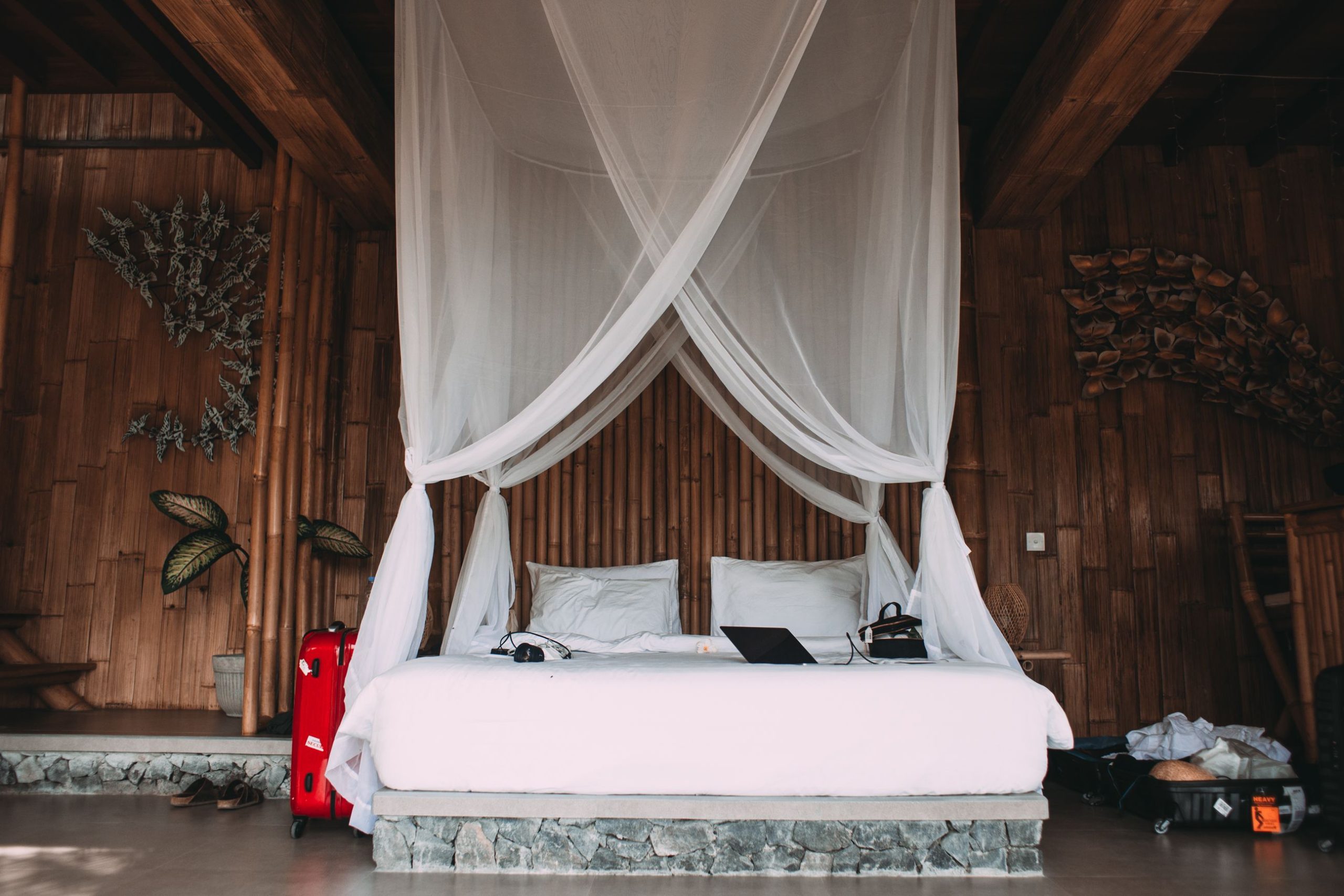
Do Lodges Provide Mosquito Nets
Do Lodges Provide Mosquito Nets
Do Lodges Provide Mosquito Nets in Uganda? A Complete Guide for Safari Travelers
Introduction
Uganda is one of Africa’s most rewarding safari destinations, offering gorilla trekking in Bwindi, chimpanzee encounters in Kibale, and classic game drives in Queen Elizabeth and Murchison Falls National Parks. However, the country is also a malaria-endemic zone, which makes mosquito protection a legitimate concern for travelers. The good news is that the overwhelming majority of safari lodges in Uganda do provide mosquito nets as a standard room amenity. This article explores what you can expect, which lodges offer this protection, and how to ensure a bite-free safari experience.
Why Mosquito Nets Matter on a Uganda Safari
Malaria remains a serious health risk in Uganda, particularly in low-lying areas such as Murchison Falls National Park and the shores of Lake Albert and Lake Victoria. While antimalarial medication (prophylaxis) is essential, it is not 100% effective on its own. Mosquito nets create a critical physical barrier between you and the Anopheles mosquitoes that transmit malaria, especially during the peak biting hours between dusk and dawn.
According to health guidance for Uganda safaris, inside lodges the “Hakuna Matata” lifestyle continues with high-quality mosquito nets and evening insecticide sprays provided by the staff. Combining these physical barriers with antimalarial pills creates a layer of security that allows travelers to enjoy evening sundowners without constant worry. Lodges usually do turn-down service in the evening and ensure mosquito nets surround the bed.
Do Uganda Lodges Actually Provide Mosquito Nets?
Yes, the vast majority of Uganda lodges from budget to luxury provide mosquito nets in every room. Uganda’s tourism licensing standards even specify that mosquito nets must be large enough to cover the entire bed and long enough to reach the floor. This is not merely a courtesy amenity; it is considered a basic requirement for accommodation in malaria-risk areas.
Across the country, lodges consistently list mosquito nets as part of their standard room facilities. The expectation among tour operators and travelers alike is that a bed net will be waiting for you when you arrive. As one health guide for East African safaris notes, 95% of camps and lodges in Uganda and neighboring regions provide bed nets to keep the very few bugs, if any, away.
Types of Mosquito Nets You Will Encounter
Uganda lodges typically offer one of three configurations:
-
Freestanding bed nets – Large, rectangular nets that surround the entire bed and tuck under the mattress. These are the most common in mid-range and luxury lodges.
-
Conical or wedge nets – Hung from a single point above the bed. These are often found in tented camps and more rustic bandas.
-
Netted beds or room screening – Some high-end lodges, such as Ishasha Wilderness Camp, feature large mosquito-netted beds or fully screened rooms, where the netting is integrated into the bed structure or room design.
In most cases, the nets are pre-treated with insecticide (often permethrin), which adds an extra layer of protection beyond the physical barrier. Lodge staff typically prepare the nets during evening turndown service, so you do not need to set them up yourself.
What to Expect at Different Lodge Tiers
Budget lodges and camps – Mosquito nets are standard in dormitories, bandas, and tented camps. If you are camping independently, you may need to bring your own net, but organized safari camps will always provide them.
Mid-range lodges – Properties like Pakuba Safari Lodge, Tilenga Safari Lodge, and Ihamba Lakeside Safari Lodge all list mosquito nets among their included amenities, often alongside other protective measures such as insecticide sprays.
Luxury lodges – High-end properties such as Nile Safari Lodge and Kibale Lodge also provide mosquito nets, often as part of a comprehensive insect-protection strategy that includes room screening, sprays, and repellents.
How Turkana wildlife safaris Lodges Approach Mosquito Protection
Turkana Wildlife Safaris, a Uganda-based tour operator, works with a wide range of lodges across the country’s major safari circuits. Their lodge listings include properties such as:
-
Nile Safari Lodge – “Each banda is equipped with a mosquito net, combining comfort with practical measures for a peaceful night’s sleep”.
-
Pakuba Safari Lodge – Included amenities list “Mosquito Net” alongside walking sticks, solar charging, and rain gear.
-
Tilenga Safari Lodge – “All raised off the ground with private en-suite bathrooms, hot and cold showers, mosquito nets, and wide wooden balconies facing the Albert Nile”.
These examples reflect the operator’s consistent attention to traveler health and comfort. You can explore their full portfolio of Uganda lodges and safari packages.
Beyond the Net: Layered Mosquito Protection
While mosquito nets are your primary defense at night, a comprehensive protection strategy is essential:
-
Antimalarial medication – Consult your doctor before travel about prophylaxis such as Malarone or doxycycline.
-
Insect repellent – Pack repellent containing at least 20% DEET or picaridin, and apply it to exposed skin at dusk and dawn.
-
Clothing choices – Wear long-sleeved shirts and trousers in the early morning and evening. Neutral colors such as khaki, tan, and olive are best; avoid blue and black, which attract tsetse flies.
-
Room sprays and coils – Many lodges provide evening insecticide sprays or plug-in repellents in addition to nets.
-
Treated clothing – Consider treating your outerwear with permethrin before you travel for added protection.
Frequently Asked Questions
1. Do all lodges in Uganda provide mosquito nets?
The vast majority do, from budget camps to luxury lodges. Uganda’s accommodation standards require mosquito nets large enough to cover the entire bed in malaria-risk areas. Independent camping is the main exception, where you may need your own net.
2. Are the mosquito nets treated with insecticide?
Many lodges use insecticide-treated nets, though this varies by property. Even untreated nets provide an effective physical barrier. If you are particularly concerned, you can bring a lightweight travel net treated with permethrin as a backup.
3. Should I still take antimalarial medication if my lodge provides a net?
Yes. No single measure is 100% effective. Health authorities recommend combining mosquito nets with antimalarial prophylaxis and repellents for comprehensive protection. Always consult a travel doctor before your trip.
4. What if I am staying in a tented camp?
Tented camps in Uganda typically provide mosquito nets over each bed. Some higher-end tented camps also have fully screened tents with zip-up mesh doors. If you are on an organized safari, nets will be provided.
5. Can I request a room with extra mosquito protection?
Absolutely. If you are particularly sensitive to mosquito bites or simply want extra peace of mind, mention this to your tour operator or lodge when booking. Many lodges can arrange additional sprays, coils, or room screening upon request.
6. Are mosquito nets provided in all national parks?
Yes, lodges in all major national parks, including Murchison Falls, Queen Elizabeth, Bwindi, Kibale, and Kidepo Valley, provide mosquito nets. The risk of malaria is present in most safari areas, so nets are considered essential.
7. What should I do if my room does not have a mosquito net?
This is extremely rare at organized lodges. If it happens, inform lodge management immediately; they will almost always have a net available. As a last resort, your tour operator can assist in relocating you or providing a travel net.
Conclusion
Travelers heading to Uganda for a safari can rest assured that mosquito nets are a standard feature in the overwhelming majority of lodges, from budget bandas to luxury retreats. Uganda’s tourism standards require them, tour operators expect them, and lodge staff typically prepare them during evening turndown service. By choosing reputable lodges through operators like Turkana Wildlife Safaris and combining the provided nets with antimalarial medication, repellents, and appropriate clothing, you can significantly reduce your risk of mosquito-borne illness and focus on what matters most the extraordinary wildlife and landscapes of the Pearl of Africa.