
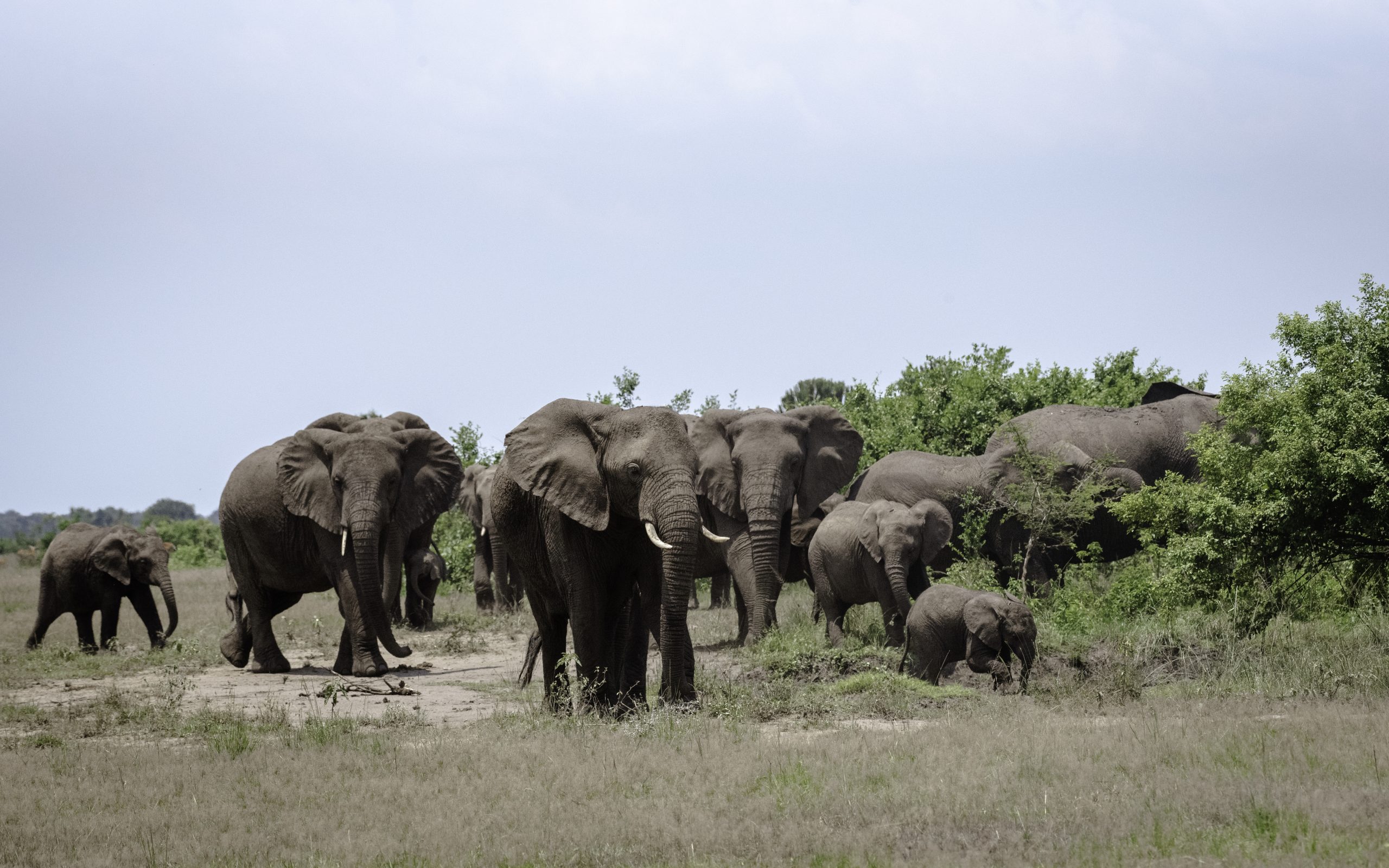
Elephant Facts
Elephant Facts
The Ultimate Guide to Elephant Facts: Nature’s Gentle Giants Uncovered
Introduction
Elephants are among the most majestic and intelligent creatures on Earth. Revered in cultures worldwide and vital to their ecosystems, these gentle giants are more than just the largest land mammals—they are complex, emotional, and fascinating animals. In this in-depth guide, we explore the most intriguing, lesser-known, and scientifically backed facts about elephants, offering a comprehensive look into their biology, behavior, and significance in the natural world.
Whether you’re a wildlife enthusiast, a student, or simply curious about these incredible animals, this article will provide you with a wealth of knowledge.
Types of Elephants
There are three recognized species of elephants:
- African Savannah Elephant (Loxodonta africana): The largest species, found in sub-Saharan Africa.
- African Forest Elephant (Loxodonta cyclotis): Smaller and more elusive, inhabiting the dense rainforests of Central and West Africa.
- Asian Elephant (Elephas maximus): Native to Southeast Asia, with smaller ears and a more domed head than their African cousins.
Each species exhibits unique traits and adaptations suited to their environments. The African forest elephant was only recently recognized as a distinct species due to genetic studies.
Physical Characteristics
Elephants are renowned for their massive size, but there’s more to their anatomy than meets the eye.
Key Features:
- Trunk: A fusion of the nose and upper lip, the trunk is a versatile tool used for breathing, smelling, touching, grasping, and producing sound.
- Tusks: Modified incisors made of ivory. While both male and female African elephants have tusks, only some male Asian elephants do.
- Ears: African elephants have large ears shaped like the continent of Africa, which help regulate body temperature. Asian elephants have smaller, rounded ears.
- Skin: Thick and wrinkled, elephant skin helps retain moisture and provides protection from the sun and insects.
Their trunks contain over 40,000 muscles, making them incredibly dexterous and strong.
Elephant Intelligence
Elephants are among the most intelligent animals on Earth. Their cognitive abilities rival those of primates and cetaceans.
Cognitive Capabilities:
- Memory: The phrase “an elephant never forgets” is rooted in truth. Elephants can remember water sources and migration routes for decades.
- Problem Solving: They use tools, such as sticks to scratch themselves or branches to swat flies.
- Empathy: Elephants show signs of grief, compassion, and altruism, often comforting distressed herd members.
- Self-Awareness: They pass the mirror test, recognizing themselves in reflections—a rare trait in the animal kingdom.
Their large brains, particularly the temporal lobes, are associated with memory and learning.
Social Structure and Communication
Elephants live in complex social groups led by a matriarch, typically the oldest and wisest female.
Herd Dynamics:
- Matriarchal Leadership: The matriarch guides the herd, drawing on her experience to find food and avoid danger.
- Family Bonds: Calves are raised communally, with other females (called allomothers) helping care for them.
- Male Behavior: Males leave the herd during adolescence and may live solitary lives or form loose bachelor groups.
Communication Methods:
- Infrasound: Low-frequency sounds that travel long distances, used to coordinate movements and alert others to danger.
- Tactile Signals: Touching is a vital part of bonding and reassurance.
- Visual Cues: Ear flapping, trunk positioning, and body posture convey emotions and intentions.
Learn more about elephant communication.
Elephant Habitats
Elephants inhabit a variety of ecosystems, from savannahs to forests and even deserts.
Common Habitats:
- Savannahs: Open grasslands with scattered trees, ideal for the African savannah elephant.
- Rainforests: Dense, humid environments favored by African forest elephants.
- Tropical Forests: Home to many Asian elephants.
- Deserts: Namibia’s desert elephants have adapted to arid conditions.
Their habitats are increasingly threatened by human encroachment, agriculture, and climate change. Explore more about elephant habitats.
Diet and Feeding Habits
Elephants are herbivores with a massive appetite.
Daily Consumption:
- Food: Up to 300 pounds (136 kg) of vegetation per day.
- Water: Up to 50 gallons (190 liters) daily.
Diet Includes:
- Grass
- Leaves
- Bark
- Fruits
- Roots
They use their trunks to pluck vegetation and their tusks to strip bark from trees. Their feeding habits play a crucial role in shaping their environment, often referred to as ecosystem engineers.
Reproduction and Lifespan
Elephants have one of the longest gestation periods in the animal kingdom.
Reproductive Facts:
- Gestation: Approximately 22 months.
- Calves: Usually one at a time, weighing around 200 pounds at birth.
- Maturity: Females reach sexual maturity at 10–12 years; males at 12–15 years.
Lifespan:
- In the wild: 60–70 years
- In captivity: Often shorter due to stress and health issues
Elephant mothers are highly protective and nurturing, forming deep bonds with their offspring. Learn more about elephant reproduction.
Elephants and Ecosystems
Elephants are keystone species, meaning their presence is crucial for the health of their ecosystems.
Ecological Roles:
- Seed Dispersal: Their dung spreads seeds across vast areas.
- Habitat Creation: They clear paths through dense vegetation, creating access for other animals.
- Water Access: Elephants dig water holes that benefit many species during dry seasons.
Without elephants, many ecosystems would collapse. Discover how they act as ecosystem architects.
Threats and Conservation
Despite their importance, elephants face numerous threats.
Major Threats:
- Poaching: Driven by the illegal ivory trade.
- Habitat Loss: Due to agriculture, logging, and urban development.
- Human-Wildlife Conflict: As humans encroach on elephant territories.
Conservation Efforts:
- Anti-Poaching Initiatives
- Protected Reserves
- Community-Based Conservation
- International Bans on Ivory Trade
Organizations like Save the Elephants and Elephant Voices are leading the charge in protecting these gentle giants.
Fascinating Elephant Facts
Here are some mind-blowing facts that showcase the wonder of elephants:
- Elephants can recognize themselves in mirrors, indicating self-awareness.
- They mourn their dead, often returning to the bones of deceased relatives.
- An elephant’s trunk can hold up to 2.5 gallons of water.
- They can detect rainstorms from up to 150 miles away using infrasound.
- Elephants have a sixth toe that acts like a “high heel” for support.
FAQs About Elephants
1. How long do elephants live?
Elephants can live up to 70 years in the wild, with females typically outliving males. Learn more about elephant lifespan.
2. Why are elephant tusks so valuable?
Tusks are made of ivory, a material prized for its beauty and rarity. Unfortunately, this has led to widespread poaching.
3. Can elephants swim?
Yes, elephants are excellent swimmers. They use their trunks as snorkels and can swim for several hours at a time. More on elephant swimming.
4. Do elephants really have good memories?
Absolutely. Their memory helps them navigate vast terrains and remember social bonds. Discover the science behind elephant memory.
5. Are elephants endangered?
Yes, especially African forest and Asian elephants. Conservation efforts are ongoing to protect these species. Visit IUCN Red List for current status.
Conclusion
Elephants are not just the largest land mammals—they are emotional, intelligent, and vital to the ecosystems they inhabit. Their complex social structures, remarkable memory, and ecological importance make them one of the most fascinating creatures on Earth.
However, their survival is under threat. As stewards of the planet, it is our responsibility to support conservation efforts and ensure that future generations can marvel at these gentle giants.
For more information and ways to help, explore resources like WWF, Save the Elephants, and Elephant Voices.