
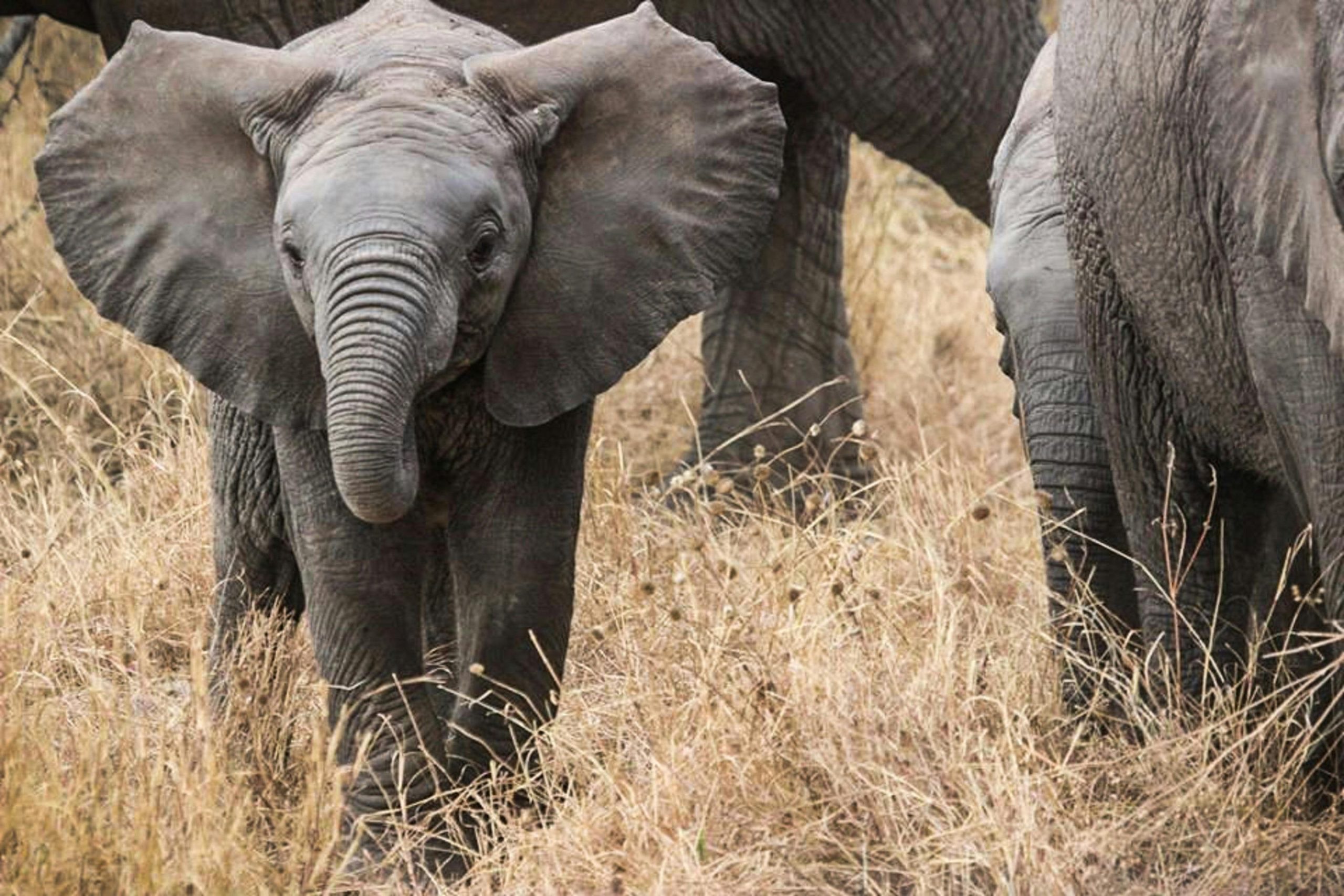
Elephant Lifespan
Elephant Lifespan
The Astonishing Lifespan of Elephants: A Deep Dive into Nature’s Gentle Giants
Introduction
Elephants, the majestic titans of the animal kingdom, are not only revered for their intelligence and emotional depth but also for their impressive longevity. Understanding the lifespan of elephants unveils a fascinating narrative of biology, environment, and conservation. In this comprehensive guide, we explore the intricacies of elephant lifespan, the factors that influence it, and the profound implications for wildlife preservation.
What Is the Average Lifespan of an Elephant?
The lifespan of an elephant varies significantly depending on the species and whether the animal lives in the wild or in captivity.
Wild Elephants
- African Elephants: Typically live between 60 to 70 years in the wild.
- Asian Elephants: Slightly shorter lifespan, averaging 48 to 60 years.
Captive Elephants
- Often live shorter lives due to factors such as limited space, stress, and lack of social structure.
- Average lifespan in captivity: 40 to 50 years, though some may live longer with exceptional care.
🐘 Learn more about African elephants and their natural habitats.
Factors That Influence Elephant Lifespan
Understanding what affects an elephant’s longevity is crucial for conservation efforts and improving the lives of those in captivity.
1. Species Differences
- African vs. Asian Elephants: African elephants tend to live longer due to their genetic makeup and natural environments.
- Subspecies variations also play a role, such as the African forest elephant versus the African savanna elephant.
2. Environmental Conditions
- Natural habitat provides elephants with space to roam, forage, and socialize.
- Climate change, deforestation, and human encroachment drastically reduce their lifespan.
3. Diet and Nutrition
- Elephants consume up to 300 pounds of vegetation daily.
- A balanced diet of grasses, fruits, bark, and roots is essential for longevity.
4. Social Structure and Mental Health
- Elephants are highly social creatures.
- Isolation, especially in captivity, leads to stress-related illnesses and reduced lifespan.
5. Human Interaction
- Poaching, tourism, and conflict with humans are major threats.
- Conservation efforts aim to reduce these impacts and extend elephant lifespans.
Lifespan by Elephant Species
| Species | Average Lifespan (Wild) | Average Lifespan (Captivity) |
|---|---|---|
| African Savanna | 60–70 years | 40–50 years |
| African Forest | 55–65 years | 35–45 years |
| Asian Elephant | 48–60 years | 40–50 years |
The Role of Conservation in Elephant Longevity
Conservation Organizations
- World Wildlife Fund (WWF)
- Elephant Nature Park
- Save the Elephants
These organizations work tirelessly to:
- Protect natural habitats
- Combat poaching
- Promote ethical tourism
- Support elephant sanctuaries
Protected Areas and Sanctuaries
- Amboseli National Park (Kenya)
- Periyar Wildlife Sanctuary (India)
- Chobe National Park (Botswana)
These sanctuaries provide safe havens where elephants can live longer, healthier lives.
🌍 Support elephant conservation and make a difference.
Elephant Aging: Signs and Stages
Juvenile (0–10 years)
- Dependent on mothers
- Learn social behaviors
- Rapid growth phase
Adolescence (10–20 years)
- Begin to assert independence
- Males may leave the herd
Adulthood (20–50 years)
- Peak physical condition
- Reproductive years
Senior (50+ years)
- Slower movement
- Worn-down teeth
- Reduced foraging efficiency
The Impact of Captivity on Lifespan
Stress and Mental Health
- Captive elephants often suffer from zoochosis—a psychological disorder.
- Stereotypic behaviors include swaying, pacing, and head bobbing.
Physical Health Concerns
- Limited movement leads to arthritis and obesity.
- Lack of foraging leads to malnutrition.
Breeding and Socialization
- Forced breeding programs can cause emotional distress.
- Lack of herd dynamics impacts mental well-being.
Longevity Records: The Oldest Elephants Ever Recorded
Wild Elephants
- Dakshayani, an Asian elephant in India, lived to be 88 years old.
- Lin Wang, a war elephant, lived to 86 years in a Taiwanese zoo.
Captive Elephants
- Some elephants in sanctuaries have lived into their 70s and 80s with proper care.
How to Help Elephants Live Longer
Support Conservation Efforts
- Donate to reputable organizations
- Volunteer at sanctuaries
- Advocate for anti-poaching laws
Choose Ethical Tourism
- Avoid elephant rides
- Visit sanctuaries that prioritize animal welfare
Educate Others
- Share information
- Promote awareness about elephant welfare
Frequently Asked Questions (FAQ)
1. How long do elephants live in the wild?
Wild elephants can live between 60 to 70 years, depending on the species and environmental conditions. Learn more about wild elephant lifespan.
2. Why do elephants live shorter lives in captivity?
Captive elephants often face stress, limited mobility, and poor diet, which contribute to a shorter lifespan. Explore the effects of captivity.
3. What is the oldest elephant ever recorded?
The oldest known elephant is Dakshayani, who lived to 88 years. Read more about Dakshayani.
4. How do elephants die of old age?
Elephants typically die when their last set of molars wear down, making it difficult to eat. Understand elephant aging.
5. How can I help elephants live longer?
Support conservation, avoid unethical tourism, and spread awareness. Get involved with elephant conservation.
Conclusion: The Legacy of Long-Lived Giants
Elephants are not just the largest land mammals—they are also among the most emotionally complex and socially intelligent creatures on Earth. Their lifespan, influenced by a tapestry of biological and environmental factors, serves as a mirror reflecting the health of our ecosystems and the impact of human activity.
By understanding and respecting the intricacies of elephant longevity, we not only preserve a species but also honor a legacy of wisdom, memory, and resilience.