
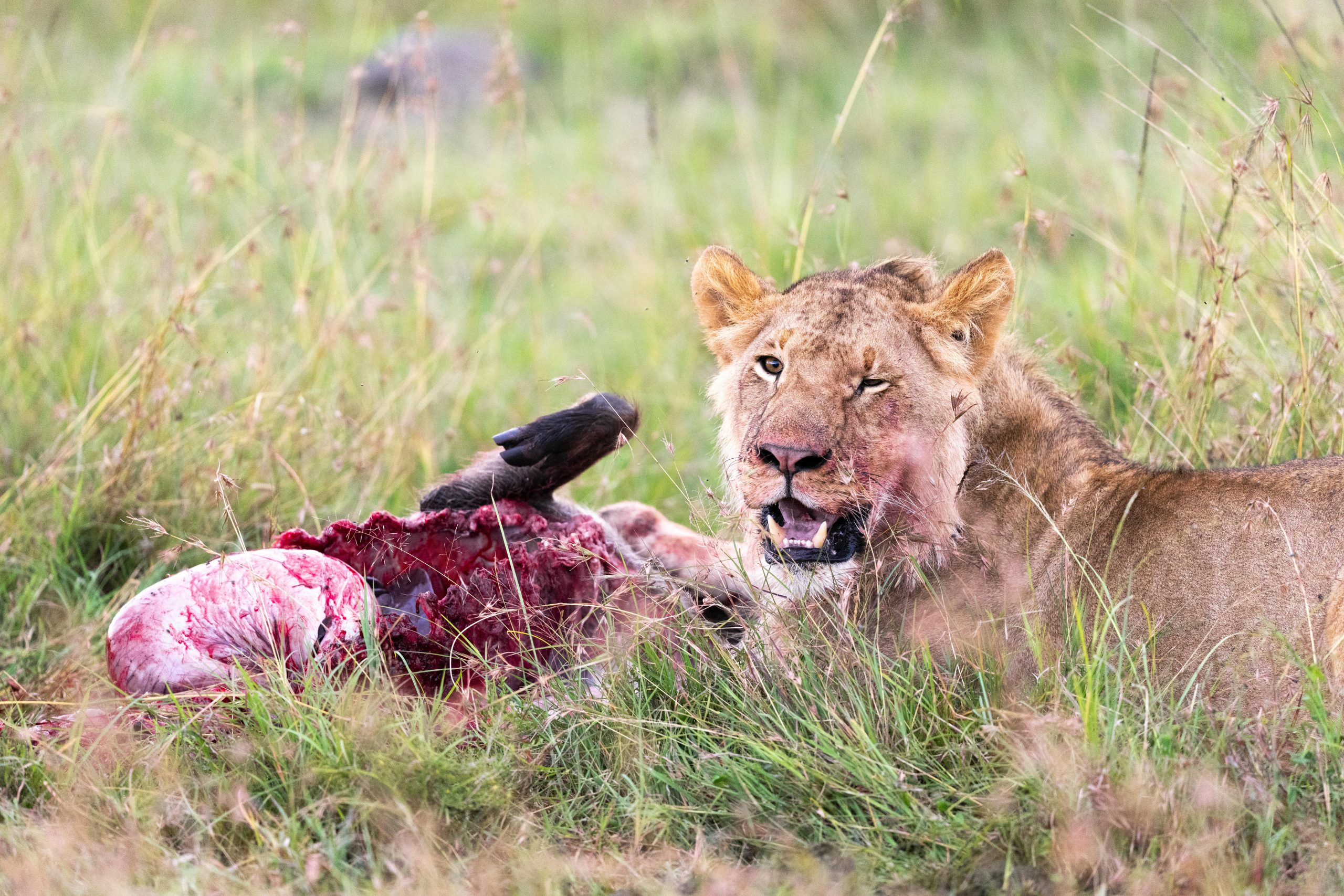
Endangered Species
Endangered Species
Endangered Species: A Deep Dive into East Africa’s Vanishing Wildlife
Introduction
East Africa is a region of breathtaking biodiversity, home to some of the most iconic wildlife on the planet. From the sprawling savannahs of Kenya to the misty mountains of Rwanda and the lush forests of Uganda, this region is a sanctuary for countless species. Yet, many of these animals are now on the brink of extinction. This article explores the endangered species of Uganda, Kenya, and Rwanda, examining the threats they face, conservation efforts underway, and what the future holds for these majestic creatures.
The Biodiversity of East Africa: A Natural Treasure
East Africa is one of the most ecologically diverse regions in the world. Its varied landscapes—ranging from high-altitude mountains to tropical rainforests and arid plains—support a wide array of flora and fauna. The region is part of the Afrotropical realm, a biogeographic zone known for its rich ecosystems and endemic species.
Key Ecosystems in the Region
- Savannahs – Home to large mammals like elephants, lions, and giraffes.
- Tropical forests – Shelter primates such as gorillas and chimpanzees.
- Wetlands and lakes – Crucial for birdlife and aquatic species.
- Mountain ranges – Host unique plant and animal species adapted to high altitudes.
Uganda: The Pearl of Africa’s Endangered Wildlife
Uganda, often referred to as the “Pearl of Africa,” boasts an impressive array of wildlife. However, several species are now critically endangered due to habitat loss, poaching, and human-wildlife conflict.
Notable Endangered Species in Uganda
1. Mountain Gorilla (Gorilla beringei beringei)
- Status: Endangered
- Habitat: Bwindi Impenetrable National Park and Mgahinga Gorilla National Park
- Threats: Habitat encroachment, disease transmission from humans, poaching
2. African Elephant (Loxodonta africana)
- Status: Endangered
- Habitat: Queen Elizabeth, Murchison Falls, and Kidepo Valley National Parks
- Threats: Ivory poaching, habitat fragmentation
3. Shoebill Stork (Balaeniceps rex)
- Status: Vulnerable
- Habitat: Papyrus swamps in the Albertine Rift
- Threats: Wetland drainage, illegal pet trade
Kenya: A Conservation Battleground
Kenya is globally renowned for its wildlife tourism and conservation initiatives. Despite these efforts, the country still faces significant challenges in protecting its endangered species.
Top Endangered Species in Kenya
1. Black Rhinoceros (Diceros bicornis)
- Status: Critically Endangered
- Habitat: Tsavo, Laikipia, and Nairobi National Parks
- Threats: Poaching for horns, habitat loss
2. Grevy’s Zebra (Equus grevyi)
- Status: Endangered
- Habitat: Northern Kenya
- Threats: Competition with livestock, water scarcity
3. Hirola Antelope (Beatragus hunteri)
- Status: Critically Endangered
- Habitat: Eastern Kenya near the Somalia border
- Threats: Habitat degradation, predation, disease
Rwanda: A Beacon of Hope for Conservation
Rwanda, the “Land of a Thousand Hills,” has made remarkable strides in wildlife conservation, especially in protecting its primates.
Endangered Species in Rwanda
1. Golden Monkey (Cercopithecus kandti)
- Status: Endangered
- Habitat: Volcanoes National Park
- Threats: Deforestation, human encroachment
2. Mountain Gorilla (Shared with Uganda)
- Status: Endangered
- Conservation Success: Rwanda has become a global model for gorilla conservation through eco-tourism and community engagement.
3. Grey Crowned Crane (Balearica regulorum)
- Status: Endangered
- Habitat: Wetlands and grasslands
- Threats: Illegal pet trade, habitat destruction
Major Threats to Wildlife in East Africa
1. Habitat Loss and Fragmentation
- Agricultural expansion
- Urban development
- Infrastructure projects (roads, dams)
2. Poaching and Illegal Wildlife Trade
- Ivory and rhino horn trafficking
- Bushmeat hunting
- Capture for exotic pet trade
3. Climate Change
- Alters migration patterns
- Reduces water availability
- Increases frequency of droughts and floods
4. Human-Wildlife Conflict
- Crop raiding by elephants and primates
- Livestock predation by big cats
- Retaliatory killings by farmers
Conservation Efforts and Success Stories
Uganda
- Gorilla Tourism: Generates revenue for conservation and local communities
- Community-Based Conservation: Programs like UWA’s revenue-sharing scheme
- Protected Areas: Expansion of national parks and wildlife corridors
Kenya
- Anti-Poaching Units: Kenya Wildlife Service (KWS) and private conservancies
- Community Conservancies: Over 160 conservancies covering 11% of Kenya’s land
- Technology Use: Drones, GPS collars, and camera traps
Rwanda
- Revenue Sharing: 10% of park revenues go to local communities
- Strict Law Enforcement: Zero tolerance for poaching
- Reforestation Initiatives: Gishwati-Mukura National Park restoration
The Role of International Organizations
- World Wildlife Fund (WWF)
- International Union for Conservation of Nature (IUCN)
- Wildlife Conservation Society (WCS)
- African Wildlife Foundation (AWF)
These organizations provide funding, research, and technical support to local conservation efforts.
How You Can Help
Support Conservation NGOs
- Donate to reputable organizations
- Volunteer for wildlife projects
- Adopt an endangered animal symbolically
Practice Responsible Tourism
- Choose eco-certified tour operators
- Respect wildlife and local communities
- Avoid buying products made from endangered species
Advocate and Educate
- Raise awareness on social media
- Participate in wildlife campaigns
- Educate others about the importance of biodiversity
Future Outlook: Challenges and Opportunities
While the threats are daunting, there is hope. East Africa has demonstrated that with political will, community involvement, and international support, conservation can succeed.
Opportunities Ahead
- Eco-tourism: A sustainable way to fund conservation
- Youth Engagement: Empowering the next generation of conservationists
- Policy Reforms: Strengthening environmental laws and enforcement
Frequently Asked Questions (FAQ)
1. What is the most endangered species in East Africa?
The Black Rhinoceros is one of the most critically endangered species in East Africa, particularly in Kenya, due to intense poaching for its horn.
2. Are mountain gorillas only found in Uganda?
No, Mountain Gorillas are found in Uganda, Rwanda, and the Democratic Republic of Congo. Uganda and Rwanda are the most accessible for tourism.
3. How is Rwanda succeeding in conservation?
Rwanda has implemented strong anti-poaching laws, community revenue-sharing programs, and eco-tourism initiatives, particularly in Volcanoes National Park.
4. What are the biggest threats to wildlife in Kenya?
The main threats include poaching, habitat loss, and human-wildlife conflict, especially in areas where wildlife corridors intersect with human settlements.
5. Can tourism help save endangered species?
Yes, responsible eco-tourism generates funds for conservation and provides economic incentives for local communities to protect wildlife.
Conclusion
The endangered species of Uganda, Kenya, and Rwanda are not just national treasures—they are global assets. Their survival depends on a collective effort that spans governments, NGOs, local communities, and individuals like you. By understanding the challenges and supporting conservation, we can ensure that future generations will continue to marvel at the incredible biodiversity of East Africa.