
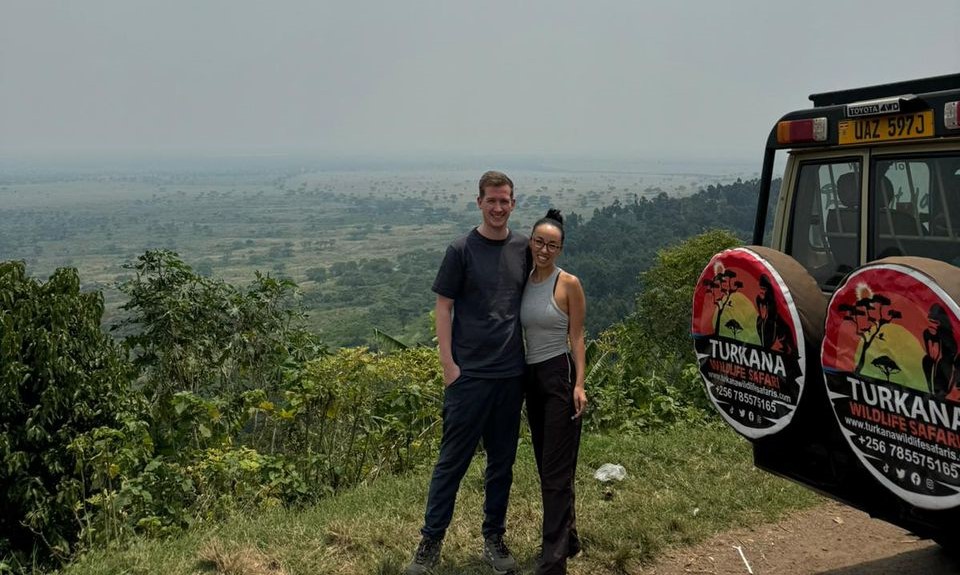
Facts About African Savanna
Facts About African Savanna
The African Savanna: A Comprehensive Exploration of Its Wonders
Introduction
The African Savanna, a vast and enchanting landscape, is a region that captivates the imagination with its diverse ecosystems and unique wildlife. Stretching across the continent, this biome is home to a myriad of species and plays a crucial role in the ecological balance of Africa. In this article, we will delve into the fascinating world of the African Savanna, exploring its distinctive features, the wildlife that inhabits it, and its significance in the global ecosystem.
The Geography of the African Savanna
The African Savanna is characterized by its open grasslands, scattered trees, and seasonal rainfall. It covers approximately 13 million square kilometers, spanning countries such as Kenya, Tanzania, South Africa, and Botswana. The savanna is typically found between the tropical rainforests and the deserts, creating a transitional zone that supports a wide range of flora and fauna.
Climate and Seasons
The climate of the African Savanna is marked by distinct wet and dry seasons. The wet season, which occurs from November to March, brings much-needed rainfall, rejuvenating the landscape and supporting the growth of lush vegetation. Conversely, the dry season, from April to October, sees a significant reduction in precipitation, leading to arid conditions and a scarcity of water sources.
The Diverse Wildlife of the African Savanna
The African Savanna is renowned for its incredible biodiversity, hosting a variety of iconic species that have adapted to the unique conditions of this biome. From the majestic African elephant to the swift cheetah, the savanna is a haven for wildlife enthusiasts and researchers alike.
Iconic Mammals
- African Elephant: The largest land mammal, the African elephant, is a keystone species in the savanna, playing a vital role in shaping the ecosystem. Their migratory patterns and feeding habits influence the distribution of plant species and create habitats for other animals.
- Lion: Known as the “king of the jungle,” lions are apex predators in the savanna. They live in prides and are highly social animals, relying on teamwork to hunt and protect their territory.
- Giraffe: With their long necks and distinctive spotted patterns, giraffes are well-adapted to the savanna environment. They feed on the leaves of tall trees, using their height to reach food sources inaccessible to other herbivores.
Birdlife and Reptiles
- Ostrich: The world’s largest bird, the ostrich, is native to the African Savanna. They are flightless but possess powerful legs that allow them to run at impressive speeds, making them well-suited to the open grasslands.
- Nile Crocodile: Found in rivers and wetlands across the savanna, the Nile crocodile is a formidable predator. They are known for their stealth and strength, often ambushing prey that comes to the water’s edge.
The Role of the African Savanna in the Ecosystem
The African Savanna is not only a habitat for diverse wildlife but also plays a crucial role in maintaining ecological balance. The interactions between species, the nutrient cycling, and the energy flow within the savanna contribute to its resilience and sustainability.
Ecological Interactions
- Predator-Prey Dynamics: The savanna’s food web is complex, with predators and prey coexisting in a delicate balance. This dynamic relationship ensures the regulation of species populations and the prevention of overgrazing.
- Mutualism and Symbiosis: Many species in the savanna engage in mutualistic relationships, where both parties benefit. For example, oxpeckers feed on ticks and parasites found on large mammals, providing a cleaning service while obtaining food.
Human Impact and Conservation Efforts
The African Savanna faces numerous threats from human activities, including habitat loss, poaching, and climate change. Conservation efforts are crucial to preserving this unique biome and its inhabitants for future generations.
- Protected Areas: National parks and wildlife reserves have been established to safeguard critical habitats and protect endangered species. These areas serve as sanctuaries for wildlife and promote sustainable tourism.
- Community Involvement: Engaging local communities in conservation initiatives is essential for the success of these efforts. By promoting sustainable livelihoods and raising awareness, communities can play a vital role in preserving the savanna ecosystem.
Conclusion
The African Savanna is a remarkable and diverse ecosystem that holds immense ecological and cultural significance. Its unique landscapes and wildlife continue to inspire awe and wonder, reminding us of the importance of preserving our natural world. Through continued conservation efforts and a deeper understanding of this biome, we can ensure that the African Savanna remains a thriving habitat for generations to come.
FAQ
What is the African Savanna?
The African Savanna is a vast grassland ecosystem characterized by open spaces, scattered trees, and seasonal rainfall. It is home to a diverse range of wildlife and spans several countries across the African continent.
What animals live in the African Savanna?
The African Savanna hosts a variety of iconic species, including African elephants, lions, giraffes, ostriches, and Nile crocodiles. These animals have adapted to the unique conditions of the savanna and play crucial roles in its ecosystem.
Why is the African Savanna important?
The African Savanna is important for its biodiversity, ecological balance, and cultural significance. It supports a wide range of species and provides essential ecosystem services, such as nutrient cycling and habitat creation.
What threats does the African Savanna face?
The African Savanna faces threats from habitat loss, poaching, and climate change. Human activities, such as agriculture and urbanization, contribute to the degradation of this unique ecosystem.
How can we help conserve the African Savanna?
Conservation efforts, such as establishing protected areas and engaging local communities, are crucial for preserving the African Savanna. Supporting sustainable tourism and raising awareness about the importance of this biome can also contribute to its conservation.