
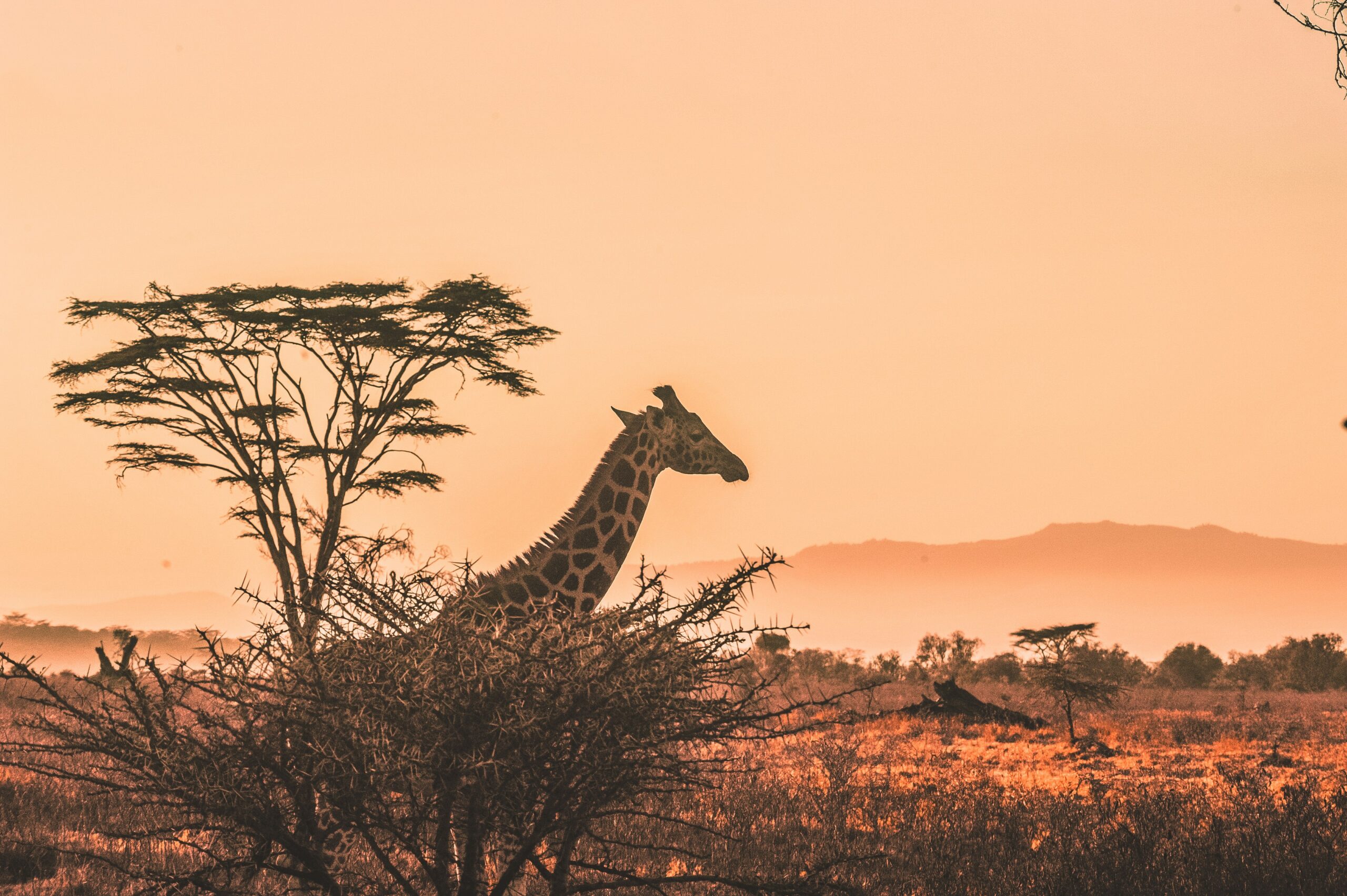
Family Friendly Safari
Family Friendly Safari
Family Friendly Safari: An Unforgettable Adventure
Introduction
Embarking on a family-friendly safari is an extraordinary way to create lasting memories with your loved ones. The thrill of witnessing wildlife in their natural habitat, coupled with the joy of exploring new landscapes, makes for an unparalleled adventure. This comprehensive guide will walk you through everything you need to know to plan the perfect family safari, ensuring an experience that is both safe and exhilarating.
Why Choose a Family Friendly Safari?
Educational Value
A safari offers a unique educational experience for children and adults alike. Observing animals in the wild provides a deeper understanding of ecosystems, conservation efforts, and the importance of biodiversity. This hands-on learning opportunity can ignite a lifelong passion for wildlife and environmental stewardship.
Bonding Experience
Sharing the excitement of spotting a lion or an elephant with your family creates a strong bond. The collective experience of exploring new terrains and encountering wildlife fosters teamwork and strengthens family ties.
Safe and Controlled Environment
Modern safari tours are designed with safety as a top priority. Professional guides and well-planned itineraries ensure that families can enjoy the adventure without compromising on safety. Many safari lodges and camps offer child-friendly amenities and activities, making it easier for parents to relax and enjoy the trip.
Best Destinations for Family Friendly Safaris
Uganda
Bwindi Impenetrable National Park
Bwindi Impenetrable National Park is a UNESCO World Heritage Site renowned for its population of mountain gorillas. Families can embark on guided treks to observe these majestic creatures in their natural habitat. The park also offers a variety of family-friendly activities, including bird watching and cultural visits to local communities.
Murchison Falls National Park
Murchison Falls National Park is Uganda’s largest national park, known for its dramatic waterfall where the Nile River explodes through a narrow gorge. The park offers a range of family-friendly activities, such as boat safaris on the Nile, game drives, and guided nature walks. The diverse wildlife and stunning landscapes make it a perfect destination for a family safari.
Kenya
Maasai Mara National Reserve
The Maasai Mara is synonymous with the Great Migration, one of the most spectacular wildlife events on the planet. Families can witness millions of wildebeest, zebras, and gazelles crossing the Mara River. The reserve offers family-oriented lodges and guided tours, ensuring a safe and enjoyable experience.
Amboseli National Park
Amboseli National Park is known for its stunning views of Mount Kilimanjaro and its large elephant herds. The park offers a range of family-friendly activities, including guided game drives and cultural visits to Maasai villages. The diverse wildlife and breathtaking landscapes make it a perfect destination for a family safari.
Tanzania
Serengeti National Park
The Serengeti is another iconic safari destination, famous for its vast plains and abundant wildlife. Families can enjoy guided game drives, hot air balloon safaris, and educational programs. The park’s diverse ecosystems provide a rich learning experience for children and adults alike.
Ngorongoro Crater
The Ngorongoro Crater is a UNESCO World Heritage Site and one of the most unique safari destinations in the world. The crater’s enclosed ecosystem supports a wide variety of wildlife, making it an excellent spot for game viewing. Family-friendly lodges and guided tours ensure a safe and memorable experience.
Planning Your Family Friendly Safari
Choosing the Right Time
The timing of your safari can significantly impact your experience. The dry season, typically from June to October, is the best time for wildlife viewing as animals gather around water sources. However, the wet season, from November to May, offers lush landscapes and fewer tourists, providing a more intimate experience.
Selecting Accommodations
When choosing accommodations, consider lodges and camps that offer family-friendly amenities. Look for properties with spacious family rooms, child-friendly activities, and professional guides experienced in working with children. Some lodges also offer babysitting services, allowing parents to enjoy some downtime.
Packing Essentials
Packing for a safari requires careful consideration. Essential items include:
- Lightweight, breathable clothing in neutral colors
- Comfortable walking shoes
- Sun protection (hats, sunglasses, sunscreen)
- Insect repellent
- Binoculars and cameras
- Personal medications and a basic first aid kit
Health and Safety Precautions
Consult your healthcare provider for advice on vaccinations and medications needed for your destination. Ensure that your family is up-to-date on routine vaccinations and consider additional vaccines, such as those for yellow fever and typhoid. Malaria prophylaxis may be necessary for certain regions, so discuss options with your doctor.
Activities for Families on Safari
Game Drives
Game drives are the cornerstone of any safari experience. Professional guides lead these excursions, providing insights into animal behavior and ecosystems. Many lodges offer specialized game drives for children, focusing on education and engagement.
Walking Safaris
Walking safaris offer a more intimate way to experience the bush. Guided by experienced rangers, families can explore the landscape on foot, learning about flora, fauna, and tracking techniques. These walks are tailored to suit the fitness levels and interests of all family members.
Cultural Visits
Many safari destinations offer opportunities to visit local communities and learn about their cultures. These visits can include interactions with indigenous tribes, such as the Maasai in Kenya or the Batwa people in Uganda. Cultural visits provide a deeper understanding of the region’s heritage and traditions.
Educational Programs
Several safari lodges and camps offer educational programs designed for children. These programs often include activities such as animal tracking, bushcraft skills, and wildlife conservation lessons. Engaging children in these activities enhances their safari experience and fosters a love for nature.
Tips for a Successful Family Safari
Engage the Kids
Involve your children in the planning process to build excitement and anticipation. Educate them about the animals and ecosystems they will encounter. Providing them with a journal or a camera can help them document their experiences and stay engaged.
Be Flexible
Safaris can be unpredictable, and plans may need to change based on weather conditions or wildlife movements. Maintain a flexible attitude and embrace the unexpected. Sometimes, the most memorable experiences come from unplanned moments.
Respect Wildlife
Teach your children the importance of respecting wildlife and following the guidelines set by your guides. Encourage them to observe animals quietly and from a safe distance. Instilling a sense of respect for nature ensures a safe and enjoyable experience for everyone.
Frequently Asked Questions (FAQ)
1. What age is appropriate for a family safari?
Most safari operators recommend that children be at least six years old. However, some lodges and camps cater to families with younger children, offering specialized activities and shorter game drives.
2. Is a safari safe for children?
Yes, safaris are generally safe for children when planned with reputable operators. Professional guides and well-maintained vehicles ensure safety. It’s essential to follow all safety guidelines and listen to your guides.
3. What should we pack for a family safari?
Pack lightweight, breathable clothing, comfortable shoes, sun protection, insect repellent, binoculars, cameras, personal medications, and a basic first aid kit. Neutral-colored clothing is recommended to blend in with the environment.
4. How can we keep children entertained during downtime?
Many lodges offer child-friendly activities and educational programs. Bringing along books, games, and journals can also help keep children entertained during downtime.
5. What is the best time of year for a family safari?
The dry season (June to October) is ideal for wildlife viewing, while the wet season (November to May) offers lush landscapes and fewer tourists. Both seasons have their unique advantages, so choose based on your family’s preferences.
Conclusion
A family-friendly safari is an unforgettable adventure that offers a perfect blend of education, excitement, and bonding. By choosing the right destination, planning carefully, and engaging in a variety of activities, you can ensure a safe and enriching experience for the entire family. Embrace the wonders of the wild and create memories that will last a lifetime.