
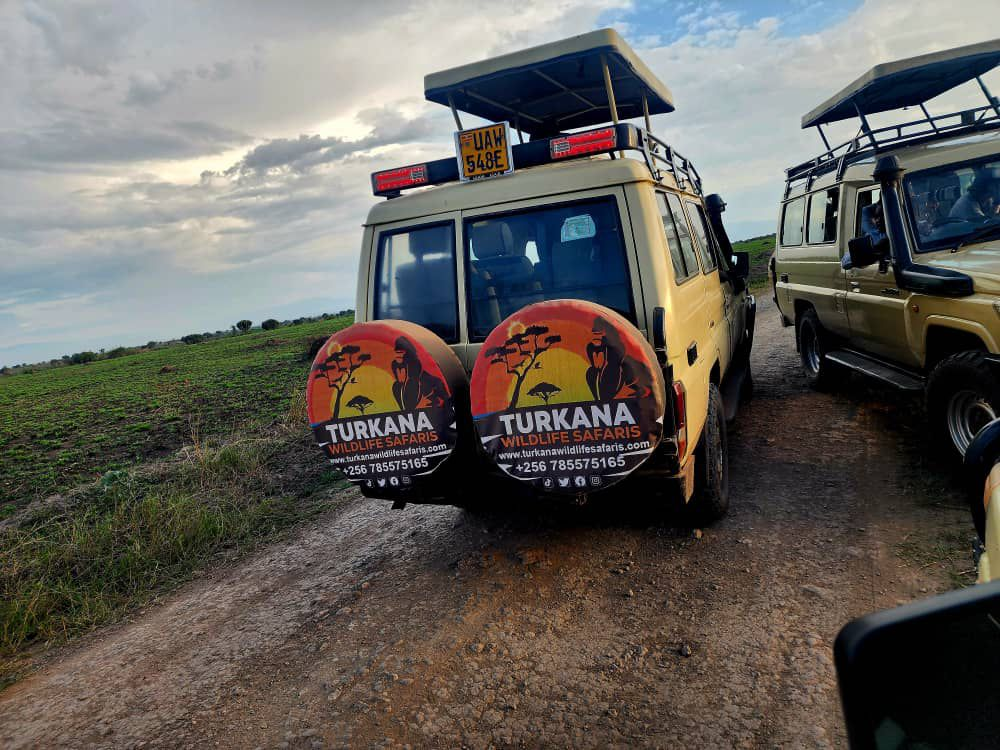
Fleet
Fleet
Safari Fleet Uganda: A Complete, Practical Guide to the Best Safari Vehicles for Uganda
Why the Right Safari Fleet in Uganda Matters More Than Most Travelers Realize
When people plan a Ugandan safari, they often obsess over parks, lodges, and “best time to go.” Yet the safari vehicle you travel in quietly determines almost everything: how early you reach the wildlife hotspots, whether you can comfortably endure corrugated roads, how much you see from your seat, and even how fresh you feel when you arrive at camp.
A well chosen safari fleet in Uganda is not a luxury it’s the foundation of a smooth itinerary, especially when your route includes long drives to places like Murchison Falls, Queen Elizabeth, Kidepo Valley, or Bwindi Impenetrable Forest.
If you want professional planning and dependable vehicles, start by exploring established operators such as Turkana Wildlife Safaris, known for offering well-structured itineraries and reliable logistics across East Africa.
What “Safari Fleet Uganda” Actually Means
In practice, “safari fleet” refers to the set of vehicles a tour operator uses for:
- Game drives (wildlife viewing on dirt tracks)
- Transfers between parks and cities
- Specialized primate trekking support (Bwindi/Mgahinga)
- Family and group travel (custom seating and luggage capacity)
- Photography safaris (roof hatches, space, stabilization)
Your ideal fleet choice depends on the park, the season, and your travel style. A vehicle that feels perfect in Entebbe can feel punishing on the way to Kidepo if it’s not built (and maintained) for that terrain.
The Most Common Safari Vehicles Used in Uganda
Below are the primary vehicle types you’ll encounter when looking for a high-quality Uganda safari fleet.
1) 4×4 Safari Land Cruiser (Pop-up Roof) The Uganda Classic
A 4×4 Land Cruiser is the gold standard for Ugandan safaris because it’s engineered for rough terrain and long distances.
Best for:
- Queen Elizabeth National Park
- Murchison Falls National Park
- Kidepo Valley National Park
- Long cross-country routes
Advantages:
- High ground clearance (better in mud and ruts)
- Pop-up roof for wildlife viewing and photography
- Strong suspension for corrugations and potholes
- Excellent luggage capacity
Potential drawbacks:
- Higher price than minibuses
- Not all conversions are equal (build quality matters)
If you’re comparing operators, prioritize those that rely heavily on 4x4s. Many travelers planning a complete Uganda circuit often start with companies that have broad regional experience like Turkana Wildlife Safaris, particularly if combining Uganda with Kenya or Tanzania.
2) 4×4 Safari Van (Pop-up Roof) — Budget-Friendly, Park-Dependent
Safari vans are often cheaper and can work well on easier routes during dry seasons.
Best for:
- Shorter itineraries
- Areas with better roads
- Budget-focused groups
Advantages:
- Lower cost
- Good for city transfers and smoother roads
- Often spacious for seated comfort
Potential drawbacks:
- Less capable on muddy, steep, or heavily rutted tracks
- Lower durability for very long routes (especially remote north)
For parks like Kidepo or for wet-season driving, vans can be limiting.
3) Extended Land Cruisers for Groups (Stretched or Customized)
These are ideal for families or small groups traveling together without splitting into multiple vehicles.
Best for:
- Families (privacy + comfort)
- 5–8 travelers who want one vehicle
Advantages:
- Everyone stays together (shared sightings, same guide)
- Room for cooler boxes and extra gear
- Better cost efficiency than two vehicles
Potential drawbacks:
- Larger turning radius on narrow tracks
- Must be well-maintained to avoid suspension fatigue
4) Luxury 4×4 Options (High-End Builds, Cooler Boxes, Premium Seating)
Some operators offer upgraded interior trims, improved seat ergonomics, extra charging ports, and upgraded roof hatches excellent for premium trips.
Best for:
- Honeymoons
- High-comfort travelers
- Photographers needing more stability and space
A polished safari experience often comes down to these “small” details: seat spacing, window clarity, roof hatch build, and shock absorption.
The Non-Negotiables: What to Check Before Booking Any Uganda Safari Vehicle
Mechanical and safety essentials
- True 4×4 (not 4×2 marketed as safari-ready)
- Good tires (including a real spare)
- Working seatbelts for all seats
- Functional suspension (no excessive bounce or sway)
- Emergency kit + basic tools
- Two-way communication options in remote areas (where applicable)
Comfort and viewing essentials
- Pop-up roof that opens smoothly and locks securely
- Clear windows (scratched glass ruins photography)
- Enough legroom for long drives
- Charging ports / inverter (especially for camera batteries)
- Cooler box (a big deal in hot parks)
If you want a benchmark for professional safari planning and logistics, look at how experienced operators structure their trips, such as Turkana Wildlife Safaris, and compare vehicle specs and inclusions.
Matching the Safari Fleet to Uganda’s Top Destinations
Different parks stress vehicles differently.
Murchison Falls National Park
Roads can be dusty and bumpy; game-drive tracks vary.
Best fleet choice: 4×4 Land Cruiser with pop-up roof
Queen Elizabeth National Park
Generally accessible, but some tracks get slippery.
Best fleet choice: Land Cruiser (ideal), safari van (possible in dry season)
Bwindi Impenetrable Forest (Gorilla Trekking)
Steep roads, rain, mud, and tight turns.
Best fleet choice: 4×4 with strong traction + experienced driver-guide
Kidepo Valley National Park
Remote and often rough this is where “good enough” vehicles fail.
Best fleet choice: Robust 4×4 with proven reliability
When combining multiple regions, fleet quality becomes even more important. Operators with cross-border and multi-park experience (e.g., Turkana Wildlife Safaris) typically build itineraries that align vehicle capability with route difficulty.
Driver-Guide Quality Is Part of the Fleet
A safari vehicle is only as good as the person driving it. A professional driver-guide influences:
- Wildlife spotting success (positioning and patience)
- Ride comfort (pace and road reading)
- Safety (especially in rain or near wildlife)
- Schedule efficiency (timing gates, ferries, tracks)
Ask:
- Are guides trained in wildlife interpretation?
- Do they know birding basics if you’re a birder?
- Do they rotate vehicles frequently (maintenance control)?
Photography Considerations: Fleet Features That Matter
If photography is a priority, don’t compromise on the vehicle.
Look for:
- Stable pop-up roof (no rattling when standing)
- Enough roof space for multiple guests
- Window seats guaranteed (not “first come”)
- Ability to charge batteries during drives
- Dust control (sealed doors, good airflow management)
Pro tip: For serious photographers, a 1–3 person vehicle configuration is vastly better than a full 7-seater.
Sustainability and Ethical Logistics (Often Overlooked)
A truly strong safari operator invests in:
- Regular maintenance (reduces breakdowns and roadside waste)
- Respectful off-road behavior (avoids habitat damage)
- Proper vehicle spacing (reduces animal stress)
- Supporting local communities via fair employment
If you’re looking for a safari that balances logistics and responsible travel, consider reviewing operators that emphasize structured, professional safaris such as Turkana Wildlife Safaris.
How to Choose the Best Safari Fleet in Uganda
Use this simple framework:
Choose a 4×4 Land Cruiser if:
- You’re visiting Bwindi, Kidepo, or doing a long circuit
- You’re traveling in rainy season
- You want maximum wildlife-viewing comfort
Consider a safari van if:
- You’re staying mostly on smoother routes
- You’re prioritizing cost over capability
- Your itinerary is short and dry-season focused
Choose a private vehicle if:
- You value flexibility in game drives
- You’re a photographer
- You don’t want to compromise on seat selection
Frequently Asked Questions (FAQ)
1) What is the best safari vehicle for Uganda?
For most itineraries, the 4×4 Land Cruiser with a pop-up roof is the best all-around option due to terrain capability and viewing comfort.
2) Are safari vans good for Uganda?
They can be fine for certain parks and dry-season routes, but they’re generally less capable on muddy or remote tracks especially for Bwindi and Kidepo.
3) Do I need a 4×4 for gorilla trekking in Bwindi?
Yes, roads can be steep, slick, and unpredictable. A reliable 4×4 is strongly recommended.
4) How many people fit comfortably in a safari Land Cruiser?
Typically 6–7 passengers, but comfort depends on configuration. For the best experience, fewer passengers means more space and better viewing.
5) Where can I find safari packages that include reliable vehicles?
A practical starting point is to review established safari operators with strong logistics such as Turkana Wildlife Safaris and compare what’s included in their vehicle setup.