
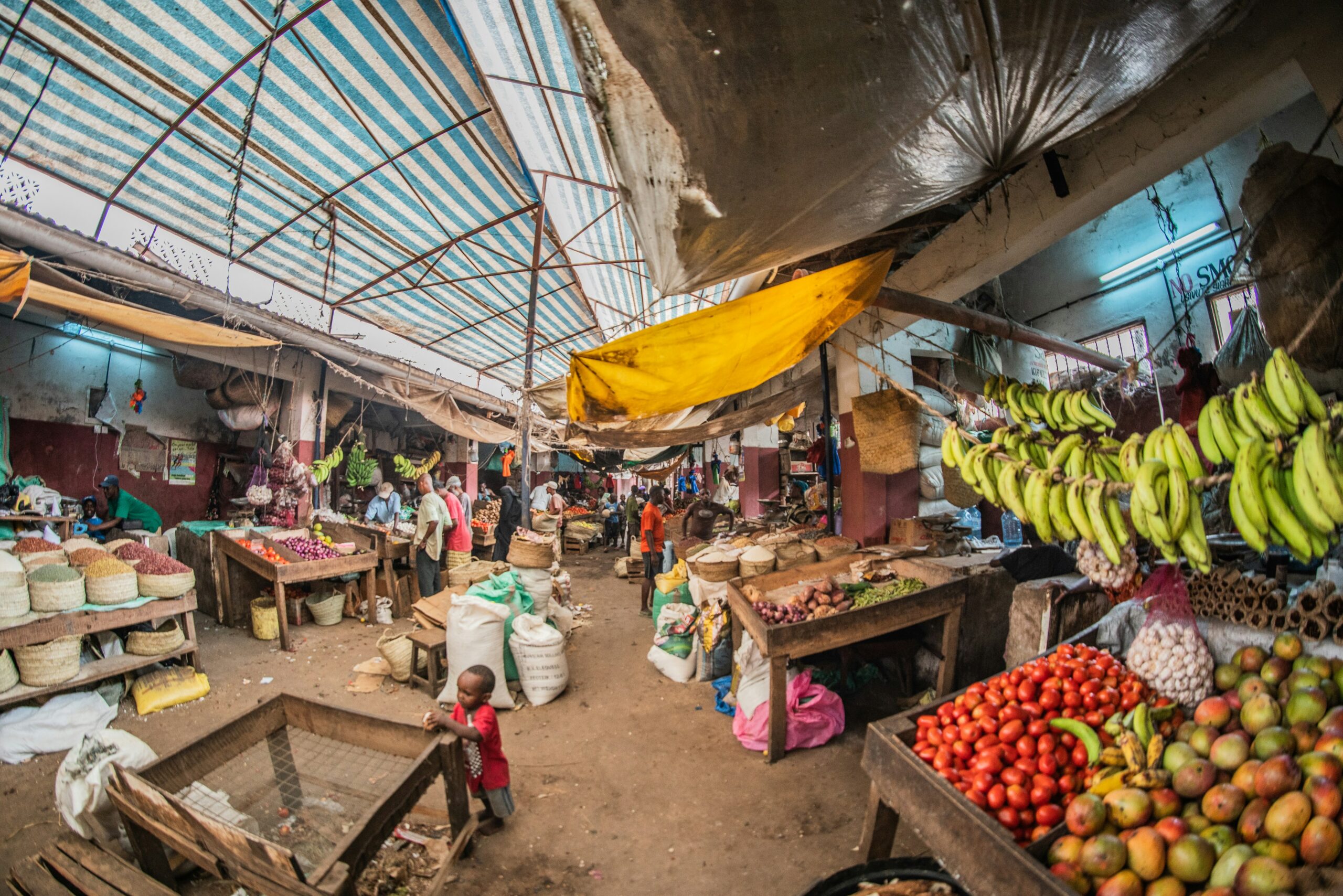
Food Safety Tips in Africa
Food Safety Tips in Africa
Introduction
When it comes to enjoying the vibrant and diverse culinary scene in Africa, it is essential to prioritize food safety. With its rich cultural heritage and mouthwatering dishes, Africa offers a unique gastronomic experience. However, it is crucial to be aware of certain food safety practices to ensure that your dining experience is not only enjoyable but also safe and healthy. In this comprehensive guide, we will explore various food safety tips in Africa, highlighting the importance of hygiene, proper handling, and storage of food. Whether you are a local resident or a curious traveler, these tips will help you navigate the culinary landscape with confidence.
1. Choose Reliable Food Sources
When it comes to food safety, it all begins with selecting reliable food sources. Whether you are buying fresh produce, meat, or dairy products, ensure that you purchase them from reputable vendors. Look for markets, grocery stores, or food suppliers that prioritize cleanliness and adhere to proper food handling practices. This will significantly reduce the risk of consuming contaminated or spoiled food.
2. Practice Good Hygiene
Maintaining good hygiene is crucial in preventing foodborne illnesses. This applies not only to food handlers but also to consumers. Here are some essential hygiene practices to follow:
- Wash your hands thoroughly with soap and clean water before handling food, especially after using the restroom, touching animals, or handling raw meat.
- Use clean utensils, cutting boards, and surfaces when preparing food.
- Keep your kitchen and cooking area clean and free from pests.
- Avoid touching your face, hair, or any other part of your body while handling food.
By practicing good hygiene, you can minimize the risk of cross-contamination and the spread of harmful bacteria.
3. Cook Food Thoroughly
Proper cooking is vital to kill harmful bacteria and ensure that food is safe to consume. Make sure that meat, poultry, seafood, and eggs are cooked thoroughly before serving. Use a food thermometer to check the internal temperature of cooked food, as different types of meat require different cooking temperatures. This will help you avoid undercooked or raw food, which can lead to foodborne illnesses.
4. Store Food Properly
Storing food correctly is essential to maintain its freshness and prevent the growth of bacteria. Here are some tips for proper food storage:
- Keep perishable foods, such as meat, dairy products, and leftovers, refrigerated at temperatures below 40°F (4°C).
- Store raw meat and seafood separately from other foods to avoid cross-contamination.
- Use airtight containers or wrap food tightly in plastic wrap or foil to prevent exposure to air and moisture.
- Label and date leftovers to ensure that they are consumed within a safe timeframe.
By following these storage guidelines, you can extend the shelf life of your food and reduce the risk of foodborne illnesses.
5. Be Mindful of Street Food
Africa is known for its vibrant street food culture, offering a wide array of delicious and affordable options. While street food can be a delightful culinary experience, it is important to exercise caution. Here are some tips for enjoying street food safely:
- Choose vendors who have a clean and hygienic food preparation area.
- Opt for freshly cooked food that is served hot.
- Avoid raw or undercooked food, as it may increase the risk of foodborne illnesses.
- Pay attention to the cleanliness of utensils and plates used by the vendor.
By being mindful of these tips, you can savor the flavors of street food without compromising your health.
FAQ (Frequently Asked Questions)
Q1: Can I drink tap water in Africa?
A1: It is generally recommended to avoid drinking tap water in Africa, as it may contain harmful bacteria or parasites. It is safer to drink bottled water or use water purification methods, such as boiling or using water purification tablets.
Q2: How can I ensure the safety of fruits and vegetables in Africa?
A2: To ensure the safety of fruits and vegetables, wash them thoroughly with clean water before consuming. It is also advisable to peel fruits and vegetables whenever possible, as the outer skin may harbor bacteria or pesticide residues.
Q3: Are there any specific food safety concerns in Africa?
A3: While the general food safety practices apply, there are specific concerns in Africa, such as the risk of foodborne diseases like cholera or typhoid. It is important to stay informed about any local outbreaks or advisories and take necessary precautions.
Q4: What should I do if I experience food poisoning symptoms?
A4: If you experience symptoms of food poisoning, such as nausea, vomiting, diarrhea, or abdominal pain, it is important to seek medical attention immediately. Stay hydrated and avoid consuming any more food until you have recovered.
Q5: Are there any traditional African dishes that require special attention in terms of food safety?
A5:Traditional African dishes are diverse and unique, and while they are delicious, some may require special attention in terms of food safety. For example, dishes that contain raw or undercooked ingredients, such as ceviche or tartare, should be consumed with caution. It is important to ensure that the ingredients used in these dishes are fresh and of high quality. Additionally, fermented foods, such as injera or ogi, should be prepared and stored properly to prevent the growth of harmful bacteria.
Conclusion
Food safety is of utmost importance when enjoying the culinary delights of Africa. By following these food safety tips, you can protect yourself and your loved ones from foodborne illnesses and fully immerse yourself in the rich flavors and cultural experiences that Africa has to offer. Remember to choose reliable food sources, practice good hygiene, cook food thoroughly, store food properly, and be mindful of street food. With these precautions in mind, you can embark on a culinary journey through Africa with confidence and peace of mind.