
Gorilla & Chimpanzee Trekking
Gorilla & Chimpanzee Trekking
Gorilla & Chimpanzee Trekking in Uganda: The Definitive Guide to Primate Encounters, Permits, and Itineraries
Why Uganda Is Africa’s Primates Capital
Uganda is one of the few places on Earth where you can track mountain gorillas and chimpanzees in one trip—often within a single, well-planned itinerary. From the misty, ancient forests of the southwest to the lush riverine corridors of western Uganda, the country offers a rare concentration of habituated primates, protected habitats, and professional guiding standards.
For travelers who want a safari that feels intimate, wild, and profoundly human (because you’re meeting your closest relatives in the animal kingdom), few experiences match Uganda primate trekking.
Explore curated primate experiences here: Uganda Safari Tours (Turkana Wildlife Safaris).
Gorilla Trekking Uganda: What It Really Feels Like
Gorilla trekking is not a zoo-like encounter. It is a guided hike—sometimes gentle, sometimes steep—through thick forest, where the reward is one hour in the presence of a gorilla family. The forest hums; the air is damp; the silence is “alive.” Then you see them: a juvenile tumbling, a mother watching, a silverback weighing you calmly with a gaze that feels unmistakably intelligent.
Best Places for Gorilla Trekking in Uganda
Uganda has two main gorilla trekking regions:
- Bwindi Impenetrable National Park (the flagship destination)
- Mgahinga Gorilla National Park (smaller, scenic, great for combining with other activities)
If you’re planning your route, the most common choice is Bwindi, due to the number of gorilla families and sector options.
Start planning with a specialist operator: Gorilla Trekking Safaris (Turkana Wildlife Safaris).
Chimpanzee Trekking Uganda: Fast, Vocal, Electric
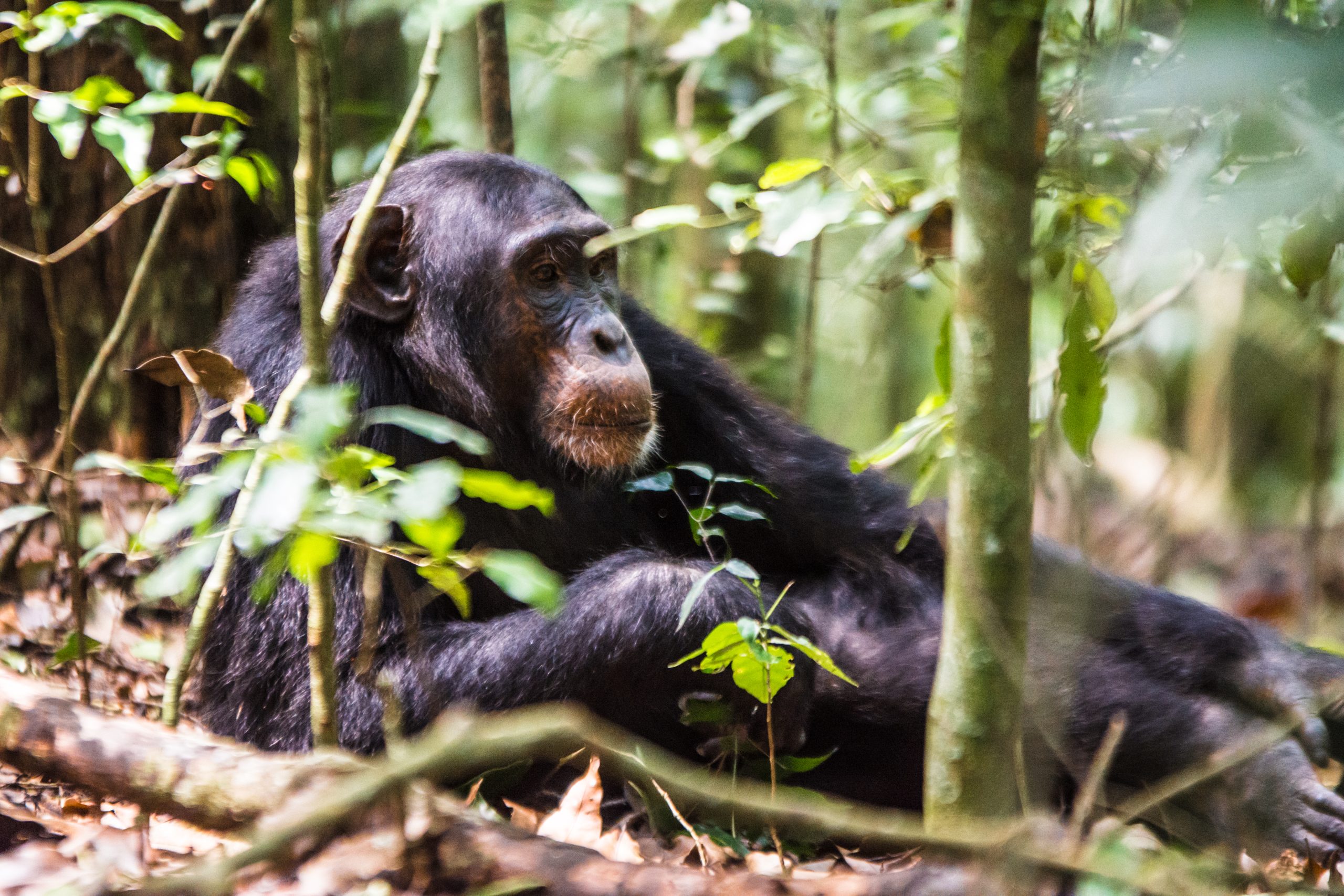
Chimp trekking is a different rhythm. Chimps move quickly, climb high, call loudly, and interact with a social complexity that is astonishing to witness. If gorillas feel like quiet power, chimpanzees feel like high-energy intelligence.
Top Chimpanzee Trekking Locations
Uganda’s most well-known chimp destinations include:
- Kibale Forest National Park (best overall for high sighting chances)
- Budongo Forest (often combined with Murchison Falls)
- Kyambura Gorge (a dramatic “sunken forest” near Queen Elizabeth NP)
Many travelers pair Kibale with Bwindi for the ultimate primate double.
Browse multi-park options: Uganda Wildlife Safaris (Turkana Wildlife Safaris).
Gorilla & Chimp Trekking: The Ideal Combined Itinerary
If you want both primates in one trip, Uganda is built for it. A classic route flows smoothly
Popular 7–10 Day Gorilla + Chimp Route
- Day 1–2: Entebbe / Kampala → transfer west
- Day 3: Kibale Forest (chimp trekking)
- Day 4: Optional Bigodi wetland walk / crater lakes
- Day 5: Queen Elizabeth National Park (game drives + boat cruise)
- Day 6–7: Bwindi (gorilla trekking)
- Day 8–10: Return to Entebbe (or add Lake Bunyonyi / more trekking)
For custom schedules and logistics help, see: Safari Packages (Turkana Wildlife Safaris).
Permits & Regulations (Gorillas vs Chimps)
Permits are mandatory and limited especially for gorillas. You should book early.
Gorilla Trekking Permits (Uganda)
Key points:
- Permit required for each trek
- One hour with gorillas (strictly enforced)
- Minimum age: typically 15+
- Limited daily slots per gorilla family
Chimpanzee Trekking Permits
Chimp permits are generally more available than gorillas, but still best booked ahead in peak months.
Because permit rules and prices can change, it’s wise to confirm details with a local operator who secures permits as part of your trip planning.
Best Time to Go: Seasons That Matter
Uganda can be visited year-round, but trekking conditions change with rainfall.
Drier Months (easier hiking)
- June–August
- December–February
Wetter Months
- March–May
- September–November
Rain doesn’t cancel trekking most of the time expect mud and bring the right gear.
What to Pack for Primate Trekking
A smart packing list improves comfort and safety dramatically.
Essential Trekking Gear
- Lightweight, long-sleeved shirt & long trousers
- Waterproof hiking boots with grip
- Gaiters (highly recommended for mud)
- Rain jacket / poncho
- Gardening-style gloves (for nettles and grip)
- Small daypack with water + snacks
- Insect repellent and sunscreen
- Camera with good low-light performance (no flash)
Health & Etiquette Rules
- Keep a respectful distance (guides enforce this)
- No flash photography
- Don’t trek if you’re sick (protects primates)
- Speak quietly and move slowly near the animals
Uganda Trekking Difficulty: Honest Expectations
Trekking difficulty varies day-to-day because gorillas and chimps move. Your guide allocates groups based on fitness where possible, but nature is in charge.
What Affects Difficulty
- Rain and trail mud
- Forest elevation and slopes
- Distance the primates travel overnight
- Time spent tracking before the encounter
If you want an easier experience, request it early so the park team can try to assign an appropriate group.
Adding More Than Primates: The “Perfect Uganda Safari Blend”
A primate safari can become even richer when you add classic wildlife landscapes.
Top add-ons:
- Queen Elizabeth National Park for lions, elephants, and a boat cruise
- Murchison Falls National Park for the Nile, crocodiles, and big game
- Lake Bunyonyi for calm recovery after Bwindi
- Cultural visits in local communities bordering the parks
Find Uganda safari ideas here: Turkana Wildlife Safaris.
How to Choose the Right Safari Operator
A great operator makes trekking smooth, ethical, and safe, especially because permits, transfers, accommodation, and timing matter.
Look for:
- Clear permit handling (no ambiguity)
- Realistic driving times and route planning
- Strong communication and transparent inclusions
- Guides with primate trekking experience
- Emphasis on responsible tourism
FAQ: Gorilla & Chimpanzee Trekking Uganda
1) Can I do gorilla and chimp trekking in the same trip?
Yes. Uganda is one of the best countries to combine both, often by pairing Kibale Forest (chimps) with Bwindi (gorillas).
2) Is gorilla trekking safe?
Yes, when done with official park guides and rules. Gorilla families are habituated, and rangers manage visitor behavior closely.
3) How close do you get to the gorillas?
Guidelines require keeping a respectful distance. In practice, gorillas sometimes move near you—your guide will instruct you exactly what to do.
4) Which is better: chimp trekking or gorilla trekking?
They’re different. Gorillas offer a calm, powerful encounter; chimps offer energy, movement, and vocal communication. Many travelers prefer doing both.
5) When should I book permits?
As early as possible, especially for peak season months (June–August and December–February). Gorilla permits can sell out well in advance.
Next Step: Plan a Uganda Primate Safari With Trusted Local Expertise
If you want a well-sequenced itinerary that combines permits, transfers, and carefully chosen lodges, start with a tour specialist and request a tailored plan.
Explore options and request a quote: Uganda Safari Tours.