
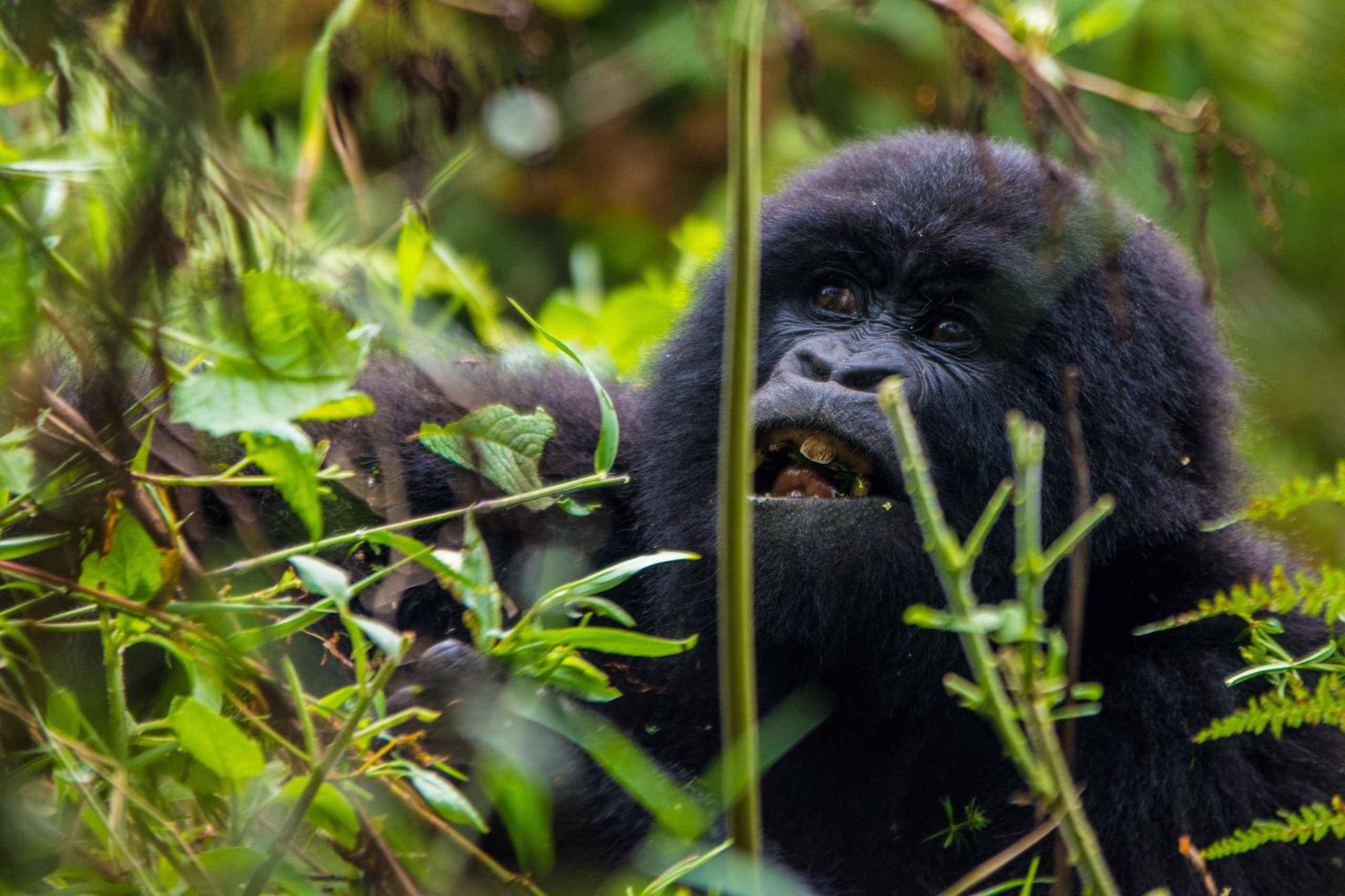
Gorilla Endangerment Facts
Gorilla Endangerment Facts
The Silent Crisis: 25 Critical Facts About Gorilla Endangerment You Need to Know
Gorillas, the majestic giants of the forest, are facing a silent crisis. Despite their strength and intelligence, these gentle primates are teetering on the edge of extinction. From habitat destruction to illegal poaching, the threats they face are vast and deeply rooted in human activity. In this comprehensive guide, we’ll explore the most pressing facts about gorilla endangerment, the causes behind their decline, and what can be done to reverse the trend.
Introduction to Gorilla Species
Gorillas are the largest primates on Earth and share approximately 98% of their DNA with humans. There are two main species:
- Eastern gorilla (Gorilla beringei)
- Western gorilla (Gorilla gorilla)
Each species is further divided into subspecies:
- Eastern Lowland Gorilla (Gorilla beringei graueri)
- Mountain Gorilla (Gorilla beringei beringei)
- Western Lowland Gorilla (Gorilla gorilla gorilla)
- Cross River Gorilla (Gorilla gorilla diehli)
All subspecies are currently listed as either endangered or critically endangered by the IUCN Red List.
Why Gorillas Are Endangered
The reasons behind gorilla endangerment are multifaceted and deeply interconnected. The primary threats include:
- Habitat destruction due to logging, agriculture, and mining
- Poaching for bushmeat and illegal pet trade
- Diseases such as Ebola and respiratory infections
- Civil unrest and armed conflict in gorilla habitats
- Climate change affecting food sources and habitat stability
These threats are exacerbated by a lack of resources for conservation and weak enforcement of wildlife protection laws.
25 Shocking Facts About Gorilla Endangerment
- Over 80% of gorilla habitat has been lost in the last century due to deforestation.
- The Mountain gorilla population is estimated at just over 1,000 individuals.
- The Cross River gorilla has fewer than 300 individuals remaining in the wild.
- Ebola virus has wiped out up to 90% of some gorilla populations.
- Gorillas are often caught in snares meant for other animals.
- Illegal logging roads provide easier access for poachers.
- The Democratic Republic of Congo is home to many endangered gorillas but is plagued by conflict.
- Mining for coltan (used in electronics) destroys gorilla habitats.
- Gorillas are highly susceptible to human diseases due to genetic similarity.
- Ecotourism, while beneficial, can also introduce pathogens to gorillas.
- Infant gorillas are often taken for the exotic pet trade.
- Adult gorillas are killed during poaching attempts.
- Many gorillas are killed for bushmeat in local markets.
- Logging companies often ignore protected area boundaries.
- Climate change is altering the vegetation gorillas depend on.
- Gorilla populations are fragmented, reducing genetic diversity.
- Armed militias often operate in gorilla habitats.
- Conservation funding is often insufficient or misallocated.
- Gorilla mothers are fiercely protective and often die defending their young.
- Some gorillas have been observed mourning their dead.
- Gorillas have complex social structures that are disrupted by poaching.
- The loss of a silverback can dismantle an entire troop.
- Gorillas play a crucial role in forest regeneration through seed dispersal.
- Without gorillas, entire ecosystems could collapse.
- Despite the odds, some populations are showing signs of recovery due to conservation.
Impact of Human Activity expansion is the root cause of most threats to gorillas. Here’s how:
Logging and Agriculture
- Deforestation for timber and farmland reduces gorilla territory.
- Palm oil plantations are a major driver of habitat loss.
- Slash-and-burn agriculture depletes soil and forces gorillas into smaller areas.
Mining and Infrastructure
- Coltan and gold mining in the Congo Basin leads to habitat fragmentation.
- Road construction opens up previously inaccessible areas to poachers.
Poaching and Bushmeat Trade
- Gorillas are hunted for meat, trophies, and traditional medicine.
- The illegal wildlife trade is a multi-billion dollar industry.
Disease Transmission
- Close contact with humans (tourists, researchers, locals) introduces new diseases.
- Lack of veterinary care in the wild exacerbates outbreaks.
Conservation Efforts and Success Stories
Despite the grim statistics, there is hope. Several organizations and governments are working tirelessly to protect gorillas.
Key Conservation Organizations
- Dian Fossey Gorilla Fund
- World Wildlife Fund (WWF)
- Wildlife Conservation Society (WCS)
- International Gorilla Conservation Programme
Successful Initiatives
- Mountain gorilla numbers have increased due to anti-poaching patrols and veterinary care.
- Community-based conservation empowers locals to protect gorillas.
- Ecotourism provides sustainable income and incentivizes protection.
- Reforestation projects are restoring lost habitats.
- Education programs raise awareness about gorilla conservation.
How You Can Help Save Gorillas
You don’t have to be a biologist or conservationist to make a difference. Here’s how you can contribute:
Donate or Adopt
- Support organizations like Gorilla Doctors or The Jane Goodall Institute.
- Symbolically adopt a gorilla to fund conservation efforts.
Spread Awareness
- Share articles, documentaries, and social media posts.
- Educate others about the threats gorillas face.
Responsible Consumerism
- Avoid products that contribute to deforestation (e.g., unsustainable palm oil).
- Recycle electronics to reduce mining demand.
Volunteer or Visit
- Join conservation programs in Africa.
- Choose ethical ecotourism operators that follow strict guidelines.
Frequently Asked Questions (FAQ)
1. Why are gorillas endangered?
Gorillas are endangered due to a combination of habitat destruction, poaching, disease, and climate change. Human activities such as logging, mining, and agriculture are the primary drivers behind their decline.
2. How many gorillas are left in the wild?
There are approximately 100,000 Western Lowland Gorillas, but only around 1,000 Mountain Gorillas and fewer than 300 Cross River Gorillas remain.
3. What is being done to protect gorillas?
Efforts include anti-poaching patrols, habitat protection, community engagement, and ecotourism. Organizations like the Dian Fossey Gorilla Fund and WWF are leading these initiatives.
4. Can gorillas recover from endangerment?
Yes, with sustained conservation efforts, some populations like the Mountain Gorilla have shown signs of recovery. Continued funding, local involvement, and international cooperation are essential.
5. How can I help from home?
You can donate, raise awareness, choose eco-friendly products, and recycle electronics. Supporting reputable conservation organizations is one of the most effective actions.
Conclusion
The plight of gorillas is a sobering reminder of the impact humans have on the natural world. These intelligent, emotionally complex creatures are not just symbols of the wild—they are vital to the ecosystems they inhabit. The good news? It’s not too late. With global awareness, responsible action, and unwavering commitment, we can ensure that future generations will still have the chance to witness the awe-inspiring presence of gorillas in the wild.
Let this be more than just a read—let it be a call to action.