
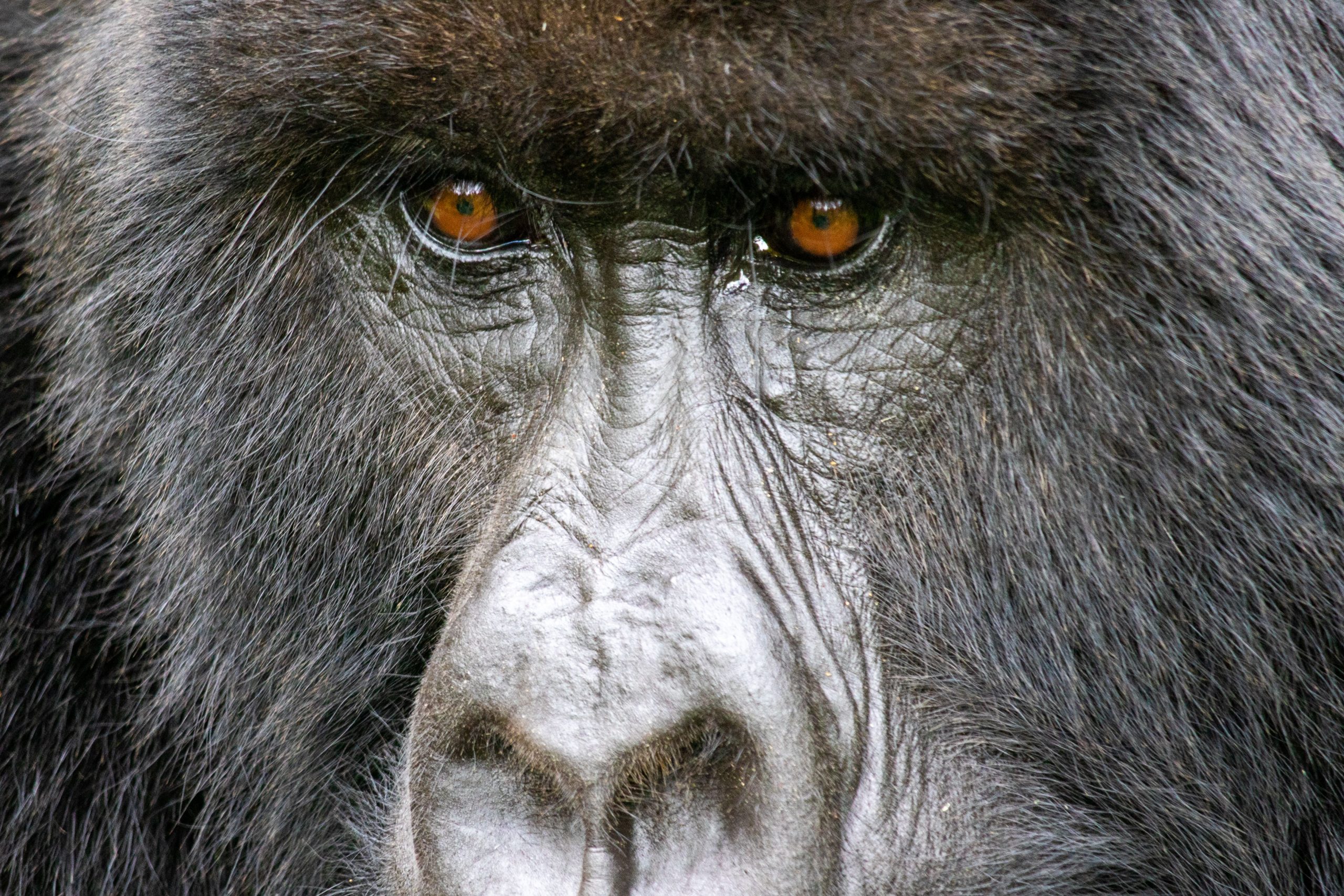
Gorilla Sighting Policy
Gorilla Sighting Policy
Gorilla Sighting Policy in Uganda: Essential Guidelines for a Responsible Gorilla Trekking Experience
Mountain gorilla trekking is one of the most extraordinary wildlife experiences in Africa. Uganda is home to more than half of the world’s remaining mountain gorillas, found primarily in Bwindi Impenetrable National Park and Mgahinga Gorilla National Park. To protect these endangered primates and ensure sustainable tourism, strict gorilla sighting policies have been established by wildlife authorities. These regulations are designed to minimize human impact while allowing visitors to enjoy unforgettable encounters with gorillas in their natural habitat.
At Turkana Wildlife Safaris Uganda, we prioritize responsible tourism and ensure that all our guests understand and follow the gorilla sighting policy during their trekking adventure.
What Is the Gorilla Sighting Policy?
The Gorilla Sighting Policy refers to the rules and regulations governing how tourists interact with mountain gorillas during a trekking excursion. These guidelines are aimed at protecting gorillas from disease transmission, reducing stress on the animals, and preserving their natural behavior. Visitors are required to follow instructions provided by Uganda Wildlife Authority (UWA) rangers and guides at all times.
Why Is the Gorilla Sighting Policy Important?
Mountain gorillas share approximately 98% of their DNA with humans, making them highly susceptible to human diseases. Even a common cold can pose serious health risks to a gorilla family. The sighting policy helps:
- Protect gorillas from human-transmitted illnesses.
- Preserve their natural habitat and behavior.
- Ensure sustainable tourism practices.
- Support conservation efforts and local communities.
- Enhance visitor safety during gorilla encounters.
Key Gorilla Sighting Rules and Regulations
1. One Hour Maximum with Gorillas
Once a gorilla family is located, visitors are allowed only one hour to observe and photograph the animals. This limitation helps reduce stress on the gorillas and minimizes human impact on their daily activities.
2. Maintain a Safe Distance
Visitors must keep a minimum distance of 7 meters (approximately 23 feet) from the gorillas. This rule helps prevent disease transmission and ensures the animals remain comfortable in their natural environment.
3. Maximum of Eight Visitors Per Gorilla Family
Only eight tourists are permitted to visit a habituated gorilla family each day. This restriction helps minimize disturbance and protects the gorillas from excessive human interaction.
4. Minimum Age Requirement
The minimum age for gorilla trekking in Uganda is 15 years. Younger children may struggle with the physical demands of trekking and may find it difficult to follow conservation guidelines.
5. Do Not Touch the Gorillas
Although gorillas may appear friendly and calm, they are wild animals. Physical contact is strictly prohibited to avoid disease transmission and unexpected reactions from the gorillas.
6. Keep Noise Levels Low
Visitors should speak quietly and avoid sudden movements. Loud noises may disturb the gorillas and affect their natural behavior. Rangers will guide visitors on appropriate conduct during the encounter.
7. No Eating, Drinking, or Smoking Near Gorillas
Food particles and drink residues can expose gorillas to human diseases. Visitors are advised not to eat, drink, or smoke while observing the gorillas.
8. Follow Ranger Instructions
Experienced ranger guides accompany every gorilla trek. Their instructions are essential for visitor safety and gorilla conservation. Always follow their guidance throughout the trek and encounter.
9. Wear a Face Mask When Required
Health measures may require visitors to wear face masks while near gorillas to further reduce the risk of disease transmission. Hand sanitation procedures are also commonly enforced before the trek.
10. Stay Home if You Are Sick
Anyone showing symptoms of contagious illnesses such as flu, cough, or fever should not participate in gorilla trekking. Protecting gorilla health remains a top conservation priority.
What Happens During a Gorilla Sighting?
A typical gorilla trekking experience begins with a morning briefing by Uganda Wildlife Authority rangers. Visitors are assigned a gorilla family and accompanied by guides and trackers through the forest. Trekking can last anywhere from one to several hours depending on the gorillas’ location. Once the gorillas are found, visitors spend one unforgettable hour observing their behaviors, social interactions, feeding habits, and family dynamics.
Responsible Gorilla Tourism with Turkana Wildlife Safaris Uganda
Turkana Wildlife Safaris Uganda is committed to sustainable tourism and gorilla conservation. Our professional guides educate travelers about gorilla sighting policies and ensure that every trek is conducted responsibly. By choosing Turkana Wildlife Safaris Uganda, visitors contribute directly to conservation initiatives and community development programs that help protect Uganda’s mountain gorillas for future generations.
We offer expertly planned gorilla trekking safaris in Bwindi Impenetrable National Park and Mgahinga Gorilla National Park, combined with other exciting wildlife experiences across Uganda and East Africa.
Frequently Asked Questions (FAQs)
How long can I stay with mountain gorillas?
Visitors are allowed a maximum of one hour with a habituated gorilla family after locating them.
Why must I keep a 7-meter distance from gorillas?
The distance helps prevent disease transmission and reduces stress on the gorillas.
Can I touch a gorilla if it approaches me?
No. Visitors should never attempt to touch gorillas, even if they come close. Follow the instructions of your ranger guide.
What is the minimum age for gorilla trekking?
The minimum age requirement is 15 years.
How many people can visit a gorilla family per day?
A maximum of eight visitors are allowed to trek and visit a habituated gorilla family each day.
Can I take photographs during the gorilla encounter?
Yes, photography is allowed, but flash photography should not be used because it may disturb the gorillas.
What should I do if I am sick before my trek?
Inform your tour operator and avoid participating in the trek to protect the gorillas from potential disease transmission.
Why is gorilla trekking highly regulated?
The regulations protect endangered mountain gorillas, ensure visitor safety, and support long-term conservation efforts.
Conclusion
The Gorilla Sighting Policy is a crucial component of mountain gorilla conservation in Uganda. These regulations ensure that visitors enjoy a safe and memorable wildlife experience while protecting one of the world’s most endangered primates. By respecting the one hour viewing limit, maintaining the required distance, following ranger instructions, and observing all conservation guidelines, travelers play an active role in preserving mountain gorillas for future generations.
With Turkana Wildlife Safaris Uganda, you can experience the magic of gorilla trekking while supporting responsible tourism and conservation. Our expertly guided safaris provide unforgettable encounters with mountain gorillas while ensuring that every visit contributes positively to wildlife protection and local communities.