
Gorilla Trekking FAQs
Gorilla Trekking FAQs
Gorilla Trekking FAQs: Everything You Need to Know Before Your Adventure
Gorilla trekking is one of the most awe-inspiring wildlife experiences on Earth. Imagine standing just meters away from a majestic silverback, observing a gorilla family in its natural habitat — a moment that leaves many travelers speechless. Whether you’re planning your first trek or returning for another encounter, this comprehensive guide answers the most frequently asked questions about gorilla trekking. We’ll also include helpful links from Turkana Wildlife Safaris to help you plan the ultimate gorilla trekking adventure.
What Is Gorilla Trekking?
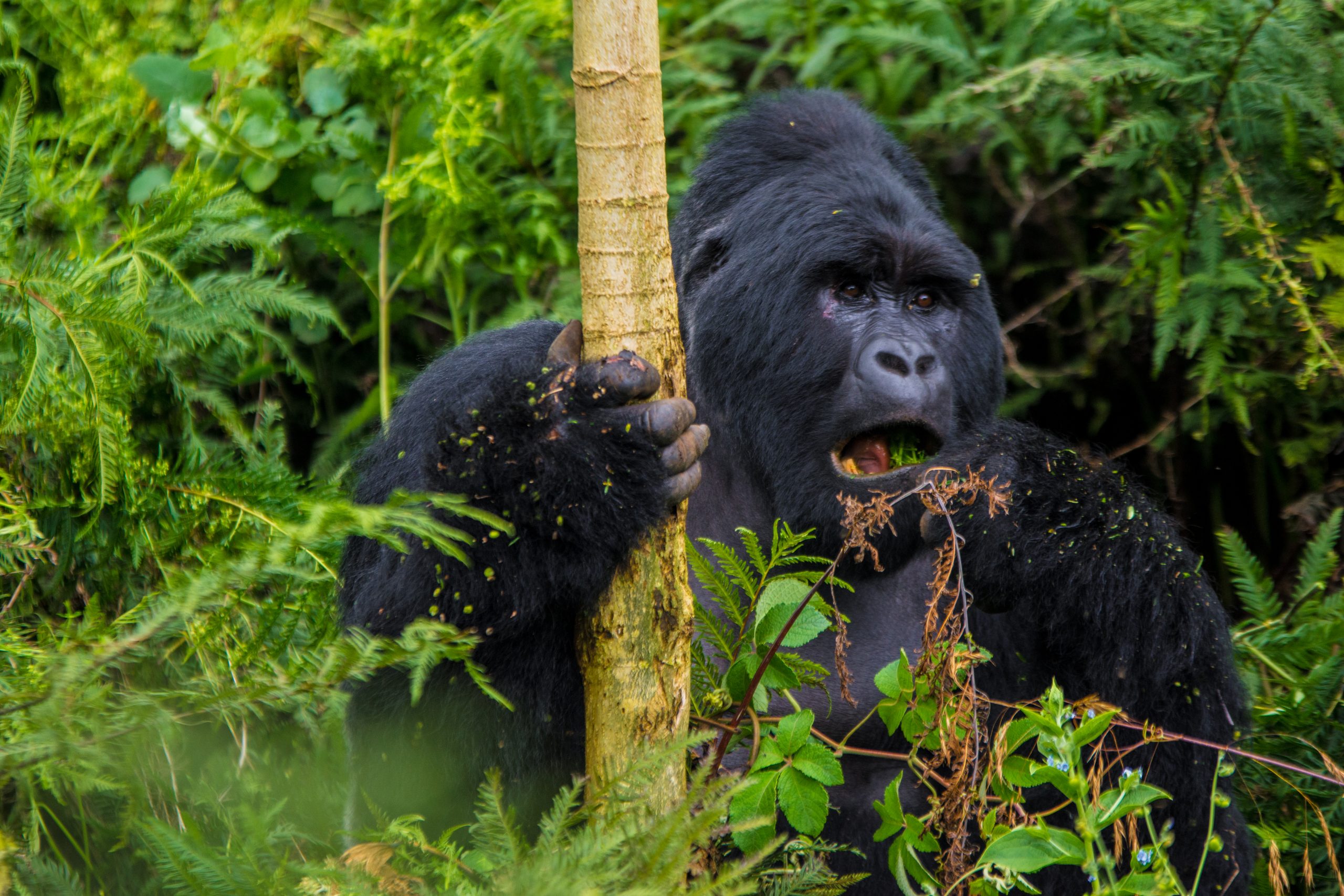
Gorilla trekking is an immersive wildlife experience that involves hiking through dense forests in search of habituated mountain gorilla families. These treks typically take place in the mountainous regions of Uganda, Rwanda, and the Democratic Republic of Congo, where the last remaining mountain gorillas live.
Unlike a traditional safari, gorilla trekking is a physically demanding activity that requires a permit and a guided hike through rugged terrain. The reward? A once-in-a-lifetime opportunity to observe these critically endangered primates in their natural environment.
Where Can You Go Gorilla Trekking?
There are only three countries in the world where you can go gorilla trekking in the wild:
- Uganda – Home to Bwindi Impenetrable National Park and Mgahinga Gorilla National Park.
- Rwanda – Known for Volcanoes National Park, a premier gorilla trekking destination.
- Democratic Republic of Congo (DRC) – Offers treks in Virunga National Park, one of Africa’s oldest national parks.
Each destination offers a unique experience in terms of terrain, accessibility, and cost.
How Much Does Gorilla Trekking Cost?
Gorilla trekking permits vary in price depending on the country:
- Uganda: $800 USD per person
- Rwanda: $1,500 USD per person
- DRC: $400–$500 USD per person
These fees cover the cost of conservation, park entry, and one hour with a gorilla family. Some Uganda safari packages from Turkana Wildlife Safaris include permits in the total cost.
When Is the Best Time to Go Gorilla Trekking?
The best time to go gorilla trekking is during the dry seasons:
- June to September
- December to February
During these months, trails are less muddy, and visibility is better. However, gorilla trekking is possible year-round, and the rainy season can offer fewer crowds and lush scenery.
How Difficult Is Gorilla Trekking?
Gorilla trekking can be challenging, depending on your fitness level and the location of the gorilla family. Treks can last anywhere from 30 minutes to 6 hours or more. The terrain is often steep, muddy, and slippery.
Tips for Preparing Physically:
- Engage in cardio workouts weeks before your trip.
- Practice hiking on uneven terrain.
- Wear comfortable, waterproof hiking boots.
What Should You Pack for a Gorilla Trek?
Packing appropriately is essential for a successful trek. Here’s a checklist of must-have items:
- Waterproof hiking boots
- Long-sleeved shirts and trousers
- Rain jacket or poncho
- Gardening gloves (for grabbing vegetation)
- Insect repellent
- Reusable water bottle
- Energy snacks
- Camera (no flash)
For a complete list, check out Turkana Wildlife Safaris’ packing guide.
What Are the Rules During a Gorilla Trek?
To protect both gorillas and visitors, strict rules are enforced:
- Maintain a 7-meter distance from the gorillas.
- Do not use flash photography.
- Stay quiet and avoid sudden movements.
- Do not trek if you’re sick (gorillas are susceptible to human diseases).
- Follow the guide’s instructions at all times.
These guidelines are designed to ensure a safe and respectful interaction with the gorillas.
How Long Do You Spend with the Gorillas?
Once you locate a gorilla family, you are allowed to spend exactly one hour observing them. This time is strictly regulated to minimize stress on the animals and preserve their natural behavior.
Are Gorilla Encounters Guaranteed?
While sightings are not 100% guaranteed, the success rate is extremely high — over 95% in most parks. Rangers track the gorillas daily and guide visitors based on their movements.
Is Gorilla Trekking Safe?
Yes, gorilla trekking is considered safe. All treks are led by experienced guides and armed rangers. The gorillas you visit are habituated, meaning they are accustomed to human presence and are non-aggressive.
However, it’s essential to follow all safety protocols and listen to your guide.
Can Children Go Gorilla Trekking?
Most parks have a minimum age requirement of 15 years. This is due to the physical demands of the trek and the risk of transmitting diseases to the gorillas.
What Is Gorilla Habituation?
Gorilla habituation is a longer, more immersive experience where visitors spend up to four hours with a gorilla group that is in the process of becoming accustomed to humans. This is only available in Bwindi Impenetrable Forest, Uganda.
How Do You Get a Gorilla Trekking Permit?
Permits can be booked through a licensed tour operator like Turkana Wildlife Safaris, or directly through the respective wildlife authorities:
- Uganda Wildlife Authority (UWA)
- Rwanda Development Board (RDB)
- Institut Congolais pour la Conservation de la Nature (ICCN)
Booking in advance (at least 6 months) is highly recommended, especially during peak seasons.
Why Choose Turkana Wildlife Safaris?
Turkana Wildlife Safaris offers expertly curated gorilla trekking tours in Uganda, Rwanda, and the DRC. Their experienced guides, personalized itineraries, and commitment to conservation make them a top choice for wildlife enthusiasts.
Benefits of Booking with Turkana Wildlife Safaris:
- All-inclusive packages (permits, accommodation, transport)
- Local, knowledgeable guides
- Flexible itineraries
- Ethical and sustainable tourism practices
Explore their gorilla trekking tours for more details.
Frequently Asked Questions (FAQs)
1. How far in advance should I book a gorilla trekking permit?
It’s best to book at least 6 months in advance, especially for peak seasons. Permits are limited and sell out quickly. Book your permit here.
2. What’s the difference between mountain and lowland gorillas?
Mountain gorillas live in high-altitude forests and are larger with longer hair. Lowland gorillas are found in flatter, lowland forests and are more numerous. Gorilla trekking typically involves mountain gorillas.
3. Can I take photos during the trek?
Yes, photography is allowed, but flash is strictly prohibited. Bring a camera with good low-light performance. Check out photography tips.
4. What happens if I don’t see any gorillas?
While rare, if no gorillas are found, some parks may offer a second trek at no additional cost. However, this is not guaranteed. Booking with a reputable operator like Turkana Wildlife Safaris increases your chances.
5. Is tipping expected?
Tipping is customary and appreciated. Here’s a general guideline:
- Porters: $10–$20
- Guides: $10–$15
- Rangers: $5–$10
Final Thoughts
Gorilla trekking is more than just a wildlife encounter — it’s a transformative journey into the heart of Africa’s most pristine rainforests. With proper planning, respect for nature, and the right tour operator, your gorilla trekking experience will be unforgettable.
For personalized itineraries, expert guides, and ethical travel, explore the offerings from Turkana Wildlife Safaris. Whether you’re trekking through the misty mountains of Uganda or the volcanic slopes of Rwanda, your adventure awaits.
Gorilla Trekking FAQs