
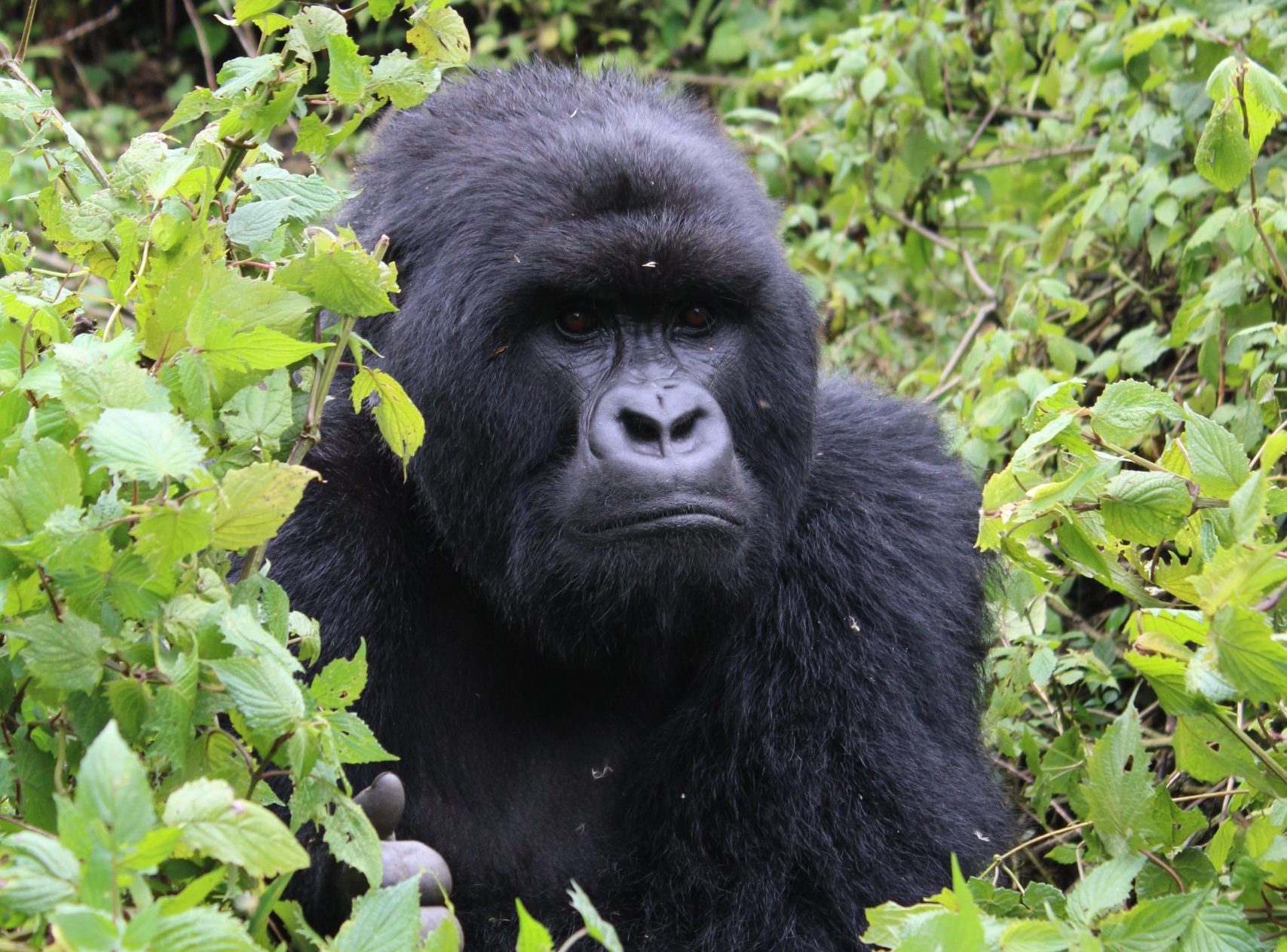
Gorilla Trekking Fitness Guide
Gorilla Trekking Fitness Guide
Gorilla Trekking Fitness Guide: How to Prepare for an Unforgettable Adventure and Turkana Wildlife Safaris Uganda
Introduction
Gorilla trekking in Uganda is one of Africa’s most extraordinary wildlife experiences. Walking through dense tropical forests in search of endangered mountain gorillas is both thrilling and physically demanding. Proper fitness preparation can significantly improve your trekking experience, allowing you to enjoy every moment without exhaustion.
Many travelers who visit Uganda for gorilla trekking also extend their journey to explore the remote and culturally rich Turkana region. Combining gorilla trekking with Turkana wildlife safaris offers a unique opportunity to experience Uganda’s incredible biodiversity, stunning landscapes, and indigenous cultures.
This comprehensive fitness guide will help you prepare for gorilla trekking while highlighting the exciting opportunities available through Turkana wildlife safaris in Uganda.
Understanding the Physical Demands of Gorilla Trekking
Mountain gorillas inhabit steep, forested slopes in Uganda’s southwestern regions. Treks can vary greatly depending on the location of the gorilla family on a given day.
Visitors should be prepared for:
- Hiking on uneven terrain
- Walking through dense vegetation
- Climbing steep hills and slopes
- Trekking in muddy and slippery conditions
- Spending several hours in the forest
A trek may last anywhere from one to eight hours, making physical preparation essential.
Why Fitness Matters for Gorilla Trekking
Being physically fit provides several advantages:
Improved Endurance
Good cardiovascular fitness allows trekkers to walk longer distances without becoming fatigued.
Enhanced Safety
Strong muscles and balance reduce the risk of slips and falls on challenging trails.
Greater Enjoyment
Instead of struggling with physical demands, fit trekkers can focus on observing wildlife and enjoying the scenery.
Faster Recovery
Prepared travelers experience less muscle soreness and recover more quickly after trekking.
Fitness Training Plan Before Your Gorilla Trek
1. Cardiovascular Training
Begin cardio exercises at least six to eight weeks before your trip.
Recommended activities include:
- Brisk walking
- Hiking
- Jogging
- Cycling
- Swimming
- Stair climbing
Aim for 30 to 60 minutes of exercise three to five times per week.
2. Strength Training
Building leg and core strength is essential.
Focus on:
- Squats
- Lunges
- Step-ups
- Calf raises
- Planks
- Core exercises
Train two to three times weekly.
3. Hiking Practice
The best preparation is regular hiking.
Practice on:
- Hills
- Nature trails
- Uneven surfaces
- Mountain paths
Carry a small backpack to simulate trekking conditions.
4. Flexibility and Mobility
Stretching improves movement and reduces injury risk.
Include:
- Yoga
- Dynamic stretches
- Hamstring stretches
- Hip mobility exercises
5. Mental Preparation
Mountain trekking requires patience and determination.
Develop mental resilience by:
- Exercising in various weather conditions
- Completing longer hikes
- Practicing steady pacing
Essential Packing for Gorilla Trekking
Bring the following items:
- Waterproof hiking boots
- Long-sleeved shirts
- Long trousers
- Rain jacket
- Gardening gloves
- Walking stick
- Insect repellent
- Sunscreen
- Reusable water bottle
- Energy snacks
- Small backpack
Proper equipment enhances comfort and safety throughout the trek.
Health Tips Before the Trek
Stay Hydrated
Drink plenty of water before and during your trek.
Eat Balanced Meals
Focus on nutritious foods rich in protein, fruits, vegetables, and complex carbohydrates.
Get Adequate Rest
Quality sleep helps your body recover and perform better.
Consult Your Doctor
Travelers with medical conditions should seek professional advice before undertaking strenuous activities.
Turkana Wildlife Safaris Uganda: A Perfect Extension to Gorilla Trekking
After experiencing the dense forests of southwestern Uganda, travelers can explore the unique landscapes associated with Turkana wildlife safari experiences.
Turkana safaris introduce visitors to:
- Semi-arid wilderness
- Spectacular landscapes
- Indigenous communities
- Diverse wildlife species
- Birdwatching opportunities
- Cultural encounters
The contrast between gorilla habitats and Turkana ecosystems creates an unforgettable East African safari experience.
Wildlife Experiences During Turkana Safaris
Visitors may encounter:
- Elephants
- Giraffes
- Zebras
- Antelopes
- Crocodiles
- Hippos
- Numerous bird species
The region provides excellent opportunities for photography, nature walks, and cultural exploration.
Cultural Encounters with Turkana Communities
One of the highlights of Turkana safaris is meeting local communities that have preserved their traditional lifestyles for generations.
Visitors can learn about:
- Traditional pastoral practices
- Indigenous crafts
- Cultural ceremonies
- Local cuisine
- Community conservation efforts
These interactions provide meaningful insights into East Africa’s cultural heritage.
Combining Gorilla Trekking and Turkana Wildlife Safaris
A combined itinerary offers travelers:
Diverse Landscapes
Experience tropical rainforests, mountains, savannahs, and semi-arid environments.
Exceptional Wildlife
Observe mountain gorillas alongside a variety of African wildlife species.
Rich Cultural Experiences
Engage with local communities across different regions of Uganda.
Adventure and Discovery
Enjoy hiking, wildlife viewing, photography, and cultural immersion in one journey.
Best Time to Visit
The dry seasons are generally considered ideal for both activities:
June to September
- Easier trekking conditions
- Better wildlife viewing
- Less muddy trails
December to February
- Pleasant weather
- Excellent photography conditions
- Comfortable safari experiences
However, gorilla trekking and wildlife safaris can be enjoyed throughout the year.
Frequently Asked Questions (FAQs)
How fit do I need to be for gorilla trekking?
Moderate fitness is generally sufficient. Regular walking, hiking, and basic cardiovascular training can adequately prepare most visitors.
How long does a gorilla trek last?
Treks can range from one to eight hours depending on the location of the gorilla family.
What should I wear for gorilla trekking?
Wear long trousers, long-sleeved shirts, waterproof hiking boots, and a rain jacket.
Is gorilla trekking suitable for older travelers?
Yes. Many older travelers successfully complete gorilla treks. Hiring a porter can make the experience easier and more comfortable.
Can beginners participate in gorilla trekking?
Absolutely. Beginners who prepare with basic fitness training can enjoy the experience.
What wildlife can I see during Turkana wildlife safaris?
Visitors may encounter elephants, giraffes, zebras, antelopes, crocodiles, hippos, and numerous bird species.
Are Turkana wildlife safaris family-friendly?
Yes. Many safari itineraries can be customized for families, couples, and groups.
What is the best time for a combined gorilla trekking and Turkana safari?
June to September and December to February generally offer favorable conditions for both activities.
Conclusion
Gorilla trekking is a once-in-a-lifetime wildlife adventure that rewards travelers with intimate encounters with one of the world’s most remarkable species. Proper fitness preparation can greatly enhance your experience, making the trek safer, more comfortable, and more enjoyable.
For travelers seeking a broader East African adventure, combining gorilla trekking with Turkana wildlife safaris in Uganda creates an extraordinary journey filled with diverse landscapes, unique wildlife, and rich cultural experiences. Whether you are hiking through misty mountain forests or exploring remote wilderness areas, Uganda offers unforgettable memories for nature lovers, photographers, and adventure seekers alike.