
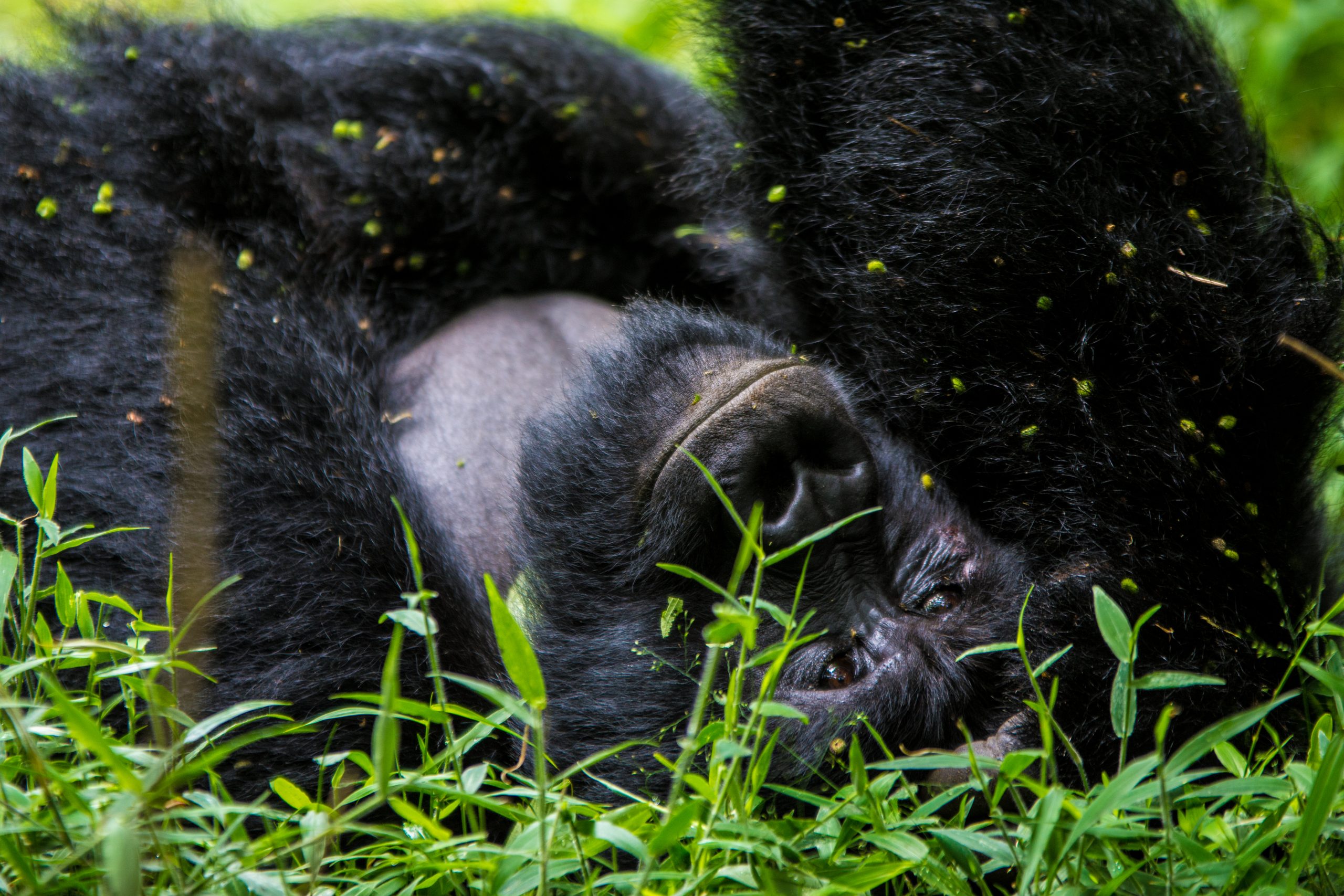
Gorilla Trekking Rwanda Uganda
Gorilla Trekking Rwanda Uganda
Gorilla Trekking in Rwanda and Uganda: A Complete Expert Guide (Permits, Best Parks, Costs, Seasons, and Safari Planning)
Gorilla trekking in Rwanda and Uganda is one of the most powerful wildlife encounters on Earth: a guided hike through misty montane forests to spend a regulated, life-changing hour with mountain gorillas in their natural habitat. These treks are tightly controlled, conservation-funded, and profoundly intimate equal parts adventure travel, ecological education, and rare primate observation.
This guide compares Rwanda vs Uganda gorilla trekking, explains where to go, what to expect, how to plan, how much it costs, what to pack, and how to maximize your chances of a successful trek.
Gorilla Trekking at a Glance (Rwanda vs Uganda)
Mountain gorillas live in two main regions of the Albertine Rift: Rwanda’s Volcanoes National Park and Uganda’s Bwindi Impenetrable National Park plus Mgahinga Gorilla National Park. Both countries run similar rules: small groups, strict time limits, and trained trackers and rangers.
Quick Comparison Table
| Feature | Rwanda | Uganda |
|---|---|---|
| Main trekking park | Volcanoes National Park | Bwindi Impenetrable NP (plus Mgahinga) |
| Permit cost (typical) | Higher | Lower |
| Trek difficulty | Often moderate | Can be more strenuous/steep |
| Gorilla groups | Fewer overall than Uganda | More habituated families, more options |
| Ease of access | Very easy from Kigali | Depends on sector; some are remote |
| Add-on highlights | Golden monkeys, Kigali city | Chimpanzees, big 5 extensions, diverse circuits |
Where to Go for Gorilla Trekking in Rwanda
Volcanoes National Park (Rwanda’s Premier Gorilla Destination)
Volcanoes National Park is Rwanda’s flagship for gorilla tracking, set against the dramatic Virunga volcano chain. It’s famed for excellent guiding, strong conservation management, and relatively short transfers from Kigali.
Why choose Volcanoes National Park
- Fast access from Kigali (often 2.5–3 hours by road)
- Iconic scenery and photogenic bamboo forests
- Strong infrastructure and high-end lodges
- Possibility to combine with golden monkey tracking
If you’re planning through a safari operator, you can explore Rwanda-focused options via Turkana Wildlife Safaris:
Tip: If you have only a few days and want a smooth, high-comfort experience with minimal logistics, Rwanda is often the simplest choice.
Where to Go for Gorilla Trekking in Uganda
Bwindi Impenetrable National Park (The Gorilla Stronghold)
Bwindi Impenetrable National Park is the most prolific gorilla trekking destination in the world, home to many habituated gorilla families across multiple trekking sectors (commonly: Buhoma, Ruhija, Rushaga, Nkuringo).
Why choose Bwindi
- More gorilla groups = more permit availability in many seasons
- Often better value overall
- Immersive forest trekking experience
- Can pair well with Uganda’s broader primate and savannah circuits
Start planning your Uganda trip with:
Mgahinga Gorilla National Park (Small, Scenic, Exclusive)
Uganda’s Mgahinga is smaller and less visited than Bwindi, with spectacular volcano scenery and the chance to add golden monkeys. It’s ideal for travelers seeking a quieter trek—availability depends on gorilla group movements.
Gorilla Permits: What They Are and Why They Matter
A gorilla permit is a government-issued entry authorization that funds:
- anti-poaching patrols
- veterinary interventions (when necessary)
- ranger salaries and training
- community conservation benefits
- habitat protection
Key rules (typically)
- Maximum 8 visitors per habituated gorilla family per day
- Maximum 1 hour with the gorillas once located
- Minimum age usually 15+
- Keep a safe distance (often 7 meters; guides may adjust based on gorilla behavior)
- No trekking when ill (respiratory illnesses are a major risk to gorillas)
For help securing permits and building an itinerary, a specialist operator can be valuable. See:
Cost of Gorilla Trekking: What to Budget
Gorilla trekking pricing depends on permits, lodging level, transport, and trip length.
Typical cost components
- Gorilla permit (largest single cost line)
- Park fees and ranger services (often included via permit/park entry structures)
- Accommodation (budget to luxury)
- Transport (4×4, driver-guide, fuel, transfers)
- Tips (guides, trackers, porters)
- Optional add-ons (chimp trekking, game drives, cultural visits)
Rwanda vs Uganda: value considerations
- Rwanda often costs more for permits and mid-to-high-end lodging.
- Uganda can deliver a longer itinerary for the same total budget, especially if you add other parks.
Explore cost-structured itineraries here:
Best Time for Gorilla Trekking in Rwanda and Uganda
Gorilla trekking is possible year-round, but conditions vary.
Dry seasons (commonly best for hiking)
- Typically: June–September and December–February
- Trails less muddy, easier footing
- Peak demand: permits and lodges sell out early
Wet seasons (often fewer crowds, lush landscapes)
- Typically: March–May and October–November
- Forest is greener; photography can be beautiful
- Trails can be slippery; hikes may feel harder
- Sometimes better lodge deals (permits usually remain fixed, depending on policy)
Photography note: Overcast light can be ideal for forest photography—less harsh contrast, softer tones.
What to Expect on Trekking Day (Step-by-Step)
1) Early morning briefing
You’ll arrive at the park headquarters for:
- health checks (in some cases)
- group allocations
- ranger introductions
- route and safety briefing
2) Drive to trailhead (if needed)
Depending on where the gorillas nested, you may drive to a starting point.
3) The hike and the “find”
Treks can range from 30 minutes to several hours (sometimes longer). Terrain can include:
- steep slopes
- dense vegetation
- muddy sections
- high altitude conditions (especially in Rwanda)
4) One hour with gorillas
Once located, your group gets one hour with the gorillas. Expect:
- quiet observation
- minimal movement
- instructions for safe behavior
- incredible close-range moments (gorillas sometimes pass near trails)
5) Return hike and certificate
Many parks issue a trekking certificate an excellent keepsake.
How Hard Is Gorilla Trekking? (Honest Difficulty Guide)
Difficulty is highly variable; it depends on:
- where the gorilla family is that day
- recent rainfall
- your fitness and altitude tolerance
Common challenges
- steep, uneven ground
- mud and slippery roots
- altitude (especially Rwanda’s Virunga region)
- long uphill returns
Ways to make it easier
- Hire a porter (highly recommended; also supports local livelihoods)
- Bring trekking poles
- Choose the right footwear
- Communicate your fitness level to guides at the briefing—sometimes they can match you to a suitable group
What to Pack for Gorilla Trekking (Essential Checklist)
Clothing (forest-ready)
- Long-sleeved shirt (protects from nettles and insects)
- Long trousers
- Lightweight rain jacket or poncho
- Gardening-style gloves (for nettles and vines)
- Hat/cap
Footwear
- Waterproof hiking boots with ankle support
- Gaiters (optional but helpful in mud)
Gear
- Daypack with rain cover
- 1–2 liters of water
- Snacks/energy bars
- Camera with a fast lens (avoid flash)
- Dry bag for electronics
- Sunscreen (for open sections)
- Insect repellent
Documents & money
- Passport copy (sometimes requested)
- Permit confirmation (often held by operator/guide)
- Cash for tips
Gorilla Trekking Etiquette (Do’s and Don’ts)
Do
- Keep your voice low
- Follow ranger instructions immediately
- Maintain the recommended distance
- Use a mask if instructed (policies can change)
- Move slowly; avoid sudden gestures
Don’t
- Use flash photography
- Eat near the gorillas
- Touch the gorillas (even if they approach)
- Trek if you’re sick
How to Choose Between Rwanda and Uganda
Choose Rwanda if you want:
- short travel times from Kigali
- smoother logistics in a compact itinerary
- high-end lodge focus
- excellent guiding with a premium feel
Start a Rwanda plan here:
Choose Uganda if you want:
- more gorilla families and sectors to choose from
- stronger “value per day” on multi-park itineraries
- to combine with chimpanzees and classic safari parks
Start a Uganda plan here:
Sample Itinerary Ideas (Rwanda & Uganda)
3 Days Rwanda Gorilla Trek (Fast, Efficient)
- Day 1: Kigali → Volcanoes NP
- Day 2: Gorilla trek + cultural visit
- Day 3: Return to Kigali (optional city tour)
4–5 Days Uganda Gorilla Trek (Deeper Forest Experience)
- Day 1: Entebbe/Kampala → Bwindi region
- Day 2: Gorilla trek
- Day 3: Community walk / relaxation / optional second trek
- Day 4–5: Return or continue to Queen Elizabeth NP
7–10 Days Uganda Primate + Savannah Combo
- Chimpanzees (Kibale)
- Game drives (Queen Elizabeth)
- Gorilla trekking (Bwindi)
- Optional Lake Bunyonyi unwind
For tailored planning, browse:
Conservation and Community: Why This Experience Matters
Gorilla trekking is not “just tourism.” Properly managed, it is one of the strongest examples of conservation through sustainable visitation:
- permits directly support protected area operations
- communities benefit through jobs and revenue-sharing
- habituation allows controlled viewing that reduces illegal pressure elsewhere
- conservation presence deters habitat encroachment
Choosing responsible operators, tipping fairly, and respecting rules directly helps protect gorillas long-term.
FAQ (5 Questions)
1) Is gorilla trekking safe in Rwanda and Uganda?
Yes, it’s generally safe when done with authorized guides and rangers. Treks are managed by professional teams trained in gorilla behavior and visitor safety. Follow instructions and stay with your group.
2) How close do you get to the gorillas?
Rules often recommend about 7 meters, but gorillas sometimes move closer on their own. You must not approach or touch them, even if they come near.
3) How long does the trek take?
Anywhere from 30 minutes to 6+ hours depending on gorilla location, terrain, and weather. The viewing time is typically one hour once the gorillas are found.
4) Should I hire a porter?
Yes, especially if you want a safer, easier hike. Porters help with your daypack and can steady you on slippery sections. It also supports local incomes.
5) Which is better: gorilla trekking in Rwanda or Uganda?
Neither is universally “better.” Rwanda is often more convenient and premium-oriented; Uganda often offers greater variety of gorilla groups and can be better value for longer itineraries. Your best choice depends on time, budget, and preferred travel style.
To Personalize This Guide for You
Answer these and I’ll recommend the best option (Rwanda vs Uganda), a realistic budget range, and a simple itinerary:
- How many days do you have total?
- Your approximate budget per person (excluding flights)?
- Do you want just gorillas, or also chimpanzees/game drives?
- Fitness level: easy / moderate / strong?
- Travel month?