
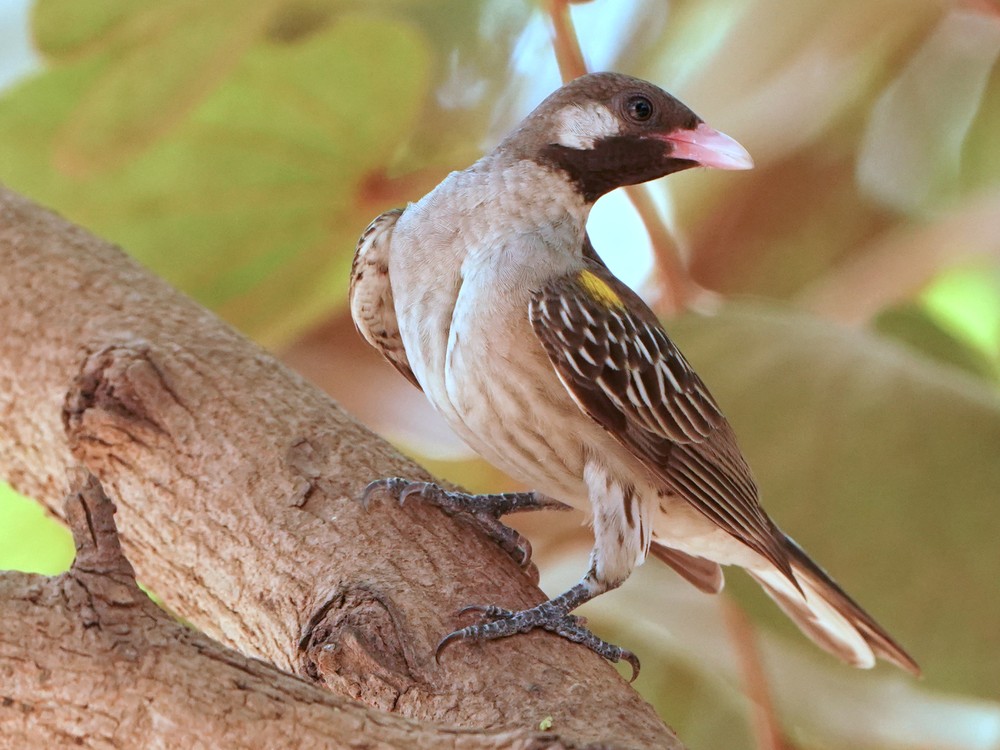
Greater Honeyguide
Greater Honeyguide
The Greater Honeyguide: Nature’s Most Mysterious Avian Collaborator
Introduction
In the vast, sun-drenched savannas and woodlands of sub-Saharan Africa, a small bird performs one of the most extraordinary acts of interspecies cooperation known to science. The Greater Honeyguide (Indicator indicator) is not just another bird—it’s a marvel of evolutionary intelligence and mutualism. Its name hints at its unique behavior: guiding humans and other animals to hidden beehives, in exchange for a sweet reward.
This article delves deep into the enigmatic world of the Greater Honeyguide, exploring its biology, behavior, ecological role, and the fascinating cultural traditions that have evolved around it. Whether you’re a bird enthusiast, a biologist, or simply a curious reader, this comprehensive guide will reveal why this bird is one of nature’s most intriguing collaborators.
Taxonomy and Physical Description
The Greater Honeyguide belongs to the family Indicatoridae, a group of birds known for their unique symbiotic behaviors. Its scientific name, Indicator indicator, reflects its most famous trait—leading others to honey.
Key Physical Features:
- Size: Approximately 20 cm in length
- Coloration: Males exhibit a dull olive-brown plumage with a distinctive white cheek patch and pink bill. Females are slightly duller with less pronounced facial markings.
- Sexual Dimorphism: Subtle, but males are generally more vocal and active in guiding.
This bird may appear unremarkable at first glance, but its behavior sets it apart dramatically.
Habitat and Distribution
The Greater Honeyguide is widely distributed across sub-Saharan Africa, from Senegal in the west to Ethiopia in the east, and as far south as South Africa. It thrives in a variety of habitats:
- Woodlands
- Savannas
- Forest edges
- Rural areas near human settlements
Its adaptability to different environments has allowed it to maintain a stable population despite increasing human encroachment.
The Unique Guiding Behavior
Perhaps the most captivating aspect of the Greater Honeyguide is its ability to communicate with humans—a rare trait in the animal kingdom.
How It Works:
- Initiation: The bird initiates contact with humans by emitting a distinctive chattering call and fluttering movements.
- Guiding: It flies short distances, pausing frequently to ensure the human is following.
- Destination: The bird leads the human to a wild beehive, often hidden high in a tree or within a crevice.
- Reward: After the human harvests the honey, the bird feeds on the leftover wax, bee larvae, and other hive debris.
This behavior is not instinctual alone—it is learned and culturally transmitted across generations of both birds and humans.
Mutualism with Humans
The relationship between the Greater Honeyguide and certain African communities, such as the Yao people of Mozambique, is a textbook example of mutualism.
Benefits to Humans:
- Access to high-energy food (honey)
- Reduced risk of bee stings due to efficient hive location
Benefits to the Bird:
- Access to wax and larvae, which are otherwise difficult to obtain
Human Communication:
The Yao use a specific vocalization, a “brrrr-hmm” sound, to attract honeyguides. Studies have shown that birds respond more frequently and effectively to this call than to random human noises.
“This is not just a bird leading a human. It’s a conversation between species.” — Dr. Claire Spottiswoode, evolutionary biologist
Honeyguides and Other Animals
While most famous for guiding humans, the Greater Honeyguide has also been observed interacting with other animals.
Notable Interactions:
- Honey Badgers (Mellivora capensis): Though widely believed to be guided by honeyguides, evidence is anecdotal and less robust than human interactions.
- Baboons and Chimpanzees: Some primates have been seen following honeyguides, though this behavior is rare and not well-documented.
These interactions suggest a broader ecological role for the honeyguide, potentially facilitating access to resources for multiple species.
Reproduction and Brood Parasitism
The Greater Honeyguide practices brood parasitism, laying its eggs in the nests of other bird species.
Key Aspects:
- Host Species: Typically insectivorous birds like bee-eaters, barbets, and woodpeckers
- Egg Mimicry: The honeyguide’s eggs often resemble those of the host
- Chick Behavior: Upon hatching, the honeyguide chick uses a specialized hook on its beak to kill host chicks, ensuring it receives all parental care
This ruthless strategy ensures the survival of the honeyguide’s offspring but has significant ecological implications for host species.
Cultural Significance
The Greater Honeyguide is deeply embedded in the folklore and traditions of many African cultures.
Cultural Roles:
- Spiritual Symbol: In some tribes, the bird is seen as a messenger of the gods
- Moral Tales: Stories often depict the honeyguide as a trickster or wise guide
- Traditional Knowledge: Passed orally through generations, including how to call and follow the bird
These traditions not only preserve ecological knowledge but also foster a sense of stewardship and respect for the natural world.
Conservation Status
According to the IUCN Red List, the Greater Honeyguide is currently listed as a species of Least Concern. However, several factors could threaten its future:
Potential Threats:
- Habitat Loss: Deforestation and agricultural expansion
- Decline in Traditional Practices: As younger generations move to urban areas, knowledge of honey-hunting traditions may fade
- Climate Change: Altered flowering and bee activity patterns could disrupt the bird’s food sources
Conservation efforts must focus not only on habitat preservation but also on cultural conservation.
Ecological Importance
The Greater Honeyguide plays a crucial role in its ecosystem.
Ecological Contributions:
- Pollination Support: By facilitating honey harvesting, it indirectly supports plant pollination through bee population dynamics
- Nutrient Cycling: Consumes wax and larvae, aiding in the decomposition of hive materials
- Biodiversity Indicator: Presence of honeyguides can indicate a healthy, biodiverse environment
Its role as a keystone species in certain ecosystems cannot be overstated.
Conclusion
The Greater Honeyguide is more than just a bird—it is a symbol of cooperation, intelligence, and ecological harmony. Its ability to communicate across species boundaries challenges our understanding of animal cognition and mutualism. As both a biological marvel and a cultural icon, it deserves greater recognition and protection.
By preserving the habitats and traditions that sustain the honeyguide, we not only protect a species but also a unique chapter in the story of life on Earth.
Frequently Asked Questions (FAQ)
1. How does the Greater Honeyguide learn to guide humans?
Greater Honeyguides learn guiding behavior through social learning and instinct. Juveniles observe adults and gradually develop the skills to attract and lead humans to hives. This behavior is culturally transmitted across generations.
2. Do honeyguides guide all humans?
No, honeyguides are more responsive to certain human groups, particularly those who use traditional calls like the Yao people. The bird recognizes specific vocalizations and body language that signal cooperation.
3. Is the guiding behavior unique to the Greater Honeyguide?
While other species in the Indicatoridae family exhibit similar behaviors, the Greater Honeyguide is the only one known to guide humans consistently and effectively.
4. What do honeyguides eat besides wax?
In addition to beeswax, honeyguides consume bee larvae, pupae, and occasionally insects. Their digestive systems are uniquely adapted to process wax, a rare trait among birds.
5. How can we help conserve the Greater Honeyguide?
- Support local conservation projects
- Promote awareness of traditional honey-hunting practices
- Encourage sustainable land-use policies
- Participate in citizen science initiatives tracking bird populations
Summary
The Greater Honeyguide (Indicator indicator) is a remarkable bird native to sub-Saharan Africa, renowned for its unique ability to guide humans to beehives. This behavior exemplifies interspecies mutualism, where both bird and human benefit. Beyond its guiding skills, the honeyguide practices brood parasitism and plays a significant ecological role. Its cultural importance among African tribes and its potential vulnerability due to habitat loss make it a species worthy of study and conservation.