
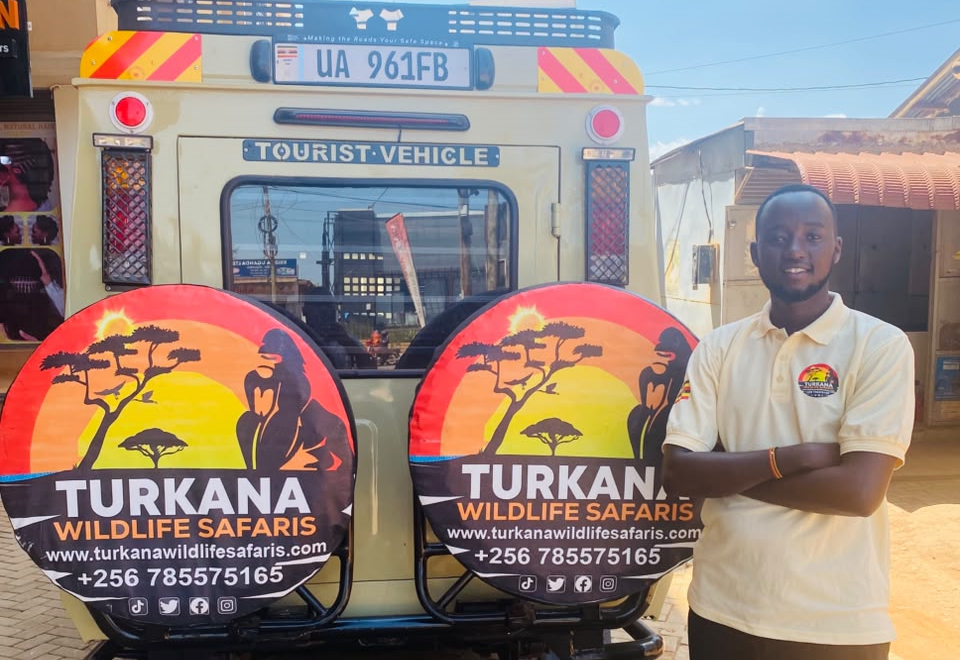
Health and Safety
Health and Safety
Health and Safety on a Uganda Safari: A Complete Guide for Travelers
Uganda, often called the Pearl of Africa, offers some of the most extraordinary wildlife encounters on the planet. From tracking mountain gorillas in Bwindi Impenetrable National Park to boat safaris on the Nile River, the country delivers adventure at every turn. Yet a successful safari depends heavily on proper health and safety preparation. Understanding the risks, taking preventive measures, and choosing a reputable operator can mean the difference between a memorable trip and a medical emergency. This guide covers everything you need to know about staying healthy and safe on a Uganda safari, with insights drawn from trusted travel health sources and the expertise of Turkana Wildlife Safaris Uganda.
Why Health and Safety Preparation Matters for a Uganda Safari
Uganda is a well-established safari destination with professional tour operators, modern lodges, and experienced guides. Most safaris are extremely safe when travelers follow professional advice and take basic health precautions. However, the country presents specific health risks that differ from those in Europe, North America, or Asia. Malaria is endemic throughout Uganda, yellow fever is a documented risk, and remote safari areas may be far from quality medical facilities. Preparing before departure reduces these risks and allows you to focus on enjoying Uganda’s spectacular landscapes and wildlife.
Essential Vaccinations for Uganda
Before traveling to Uganda, consult your doctor or a travel clinic four to eight weeks before departure to discuss your itinerary and any recommended vaccinations. Commonly recommended vaccines for Uganda include hepatitis A, hepatitis B, typhoid, tetanus, diphtheria, polio booster, rabies for extended stays or high-risk activities, and meningitis for certain travelers.
Yellow Fever Vaccination
Yellow fever is a serious concern in Uganda. The World Health Organization recommends vaccination for anyone traveling to high-risk areas, and the vaccine should be administered at least ten days before travel to allow immunity to develop. While Uganda removed the mandatory yellow fever certificate requirement for entry in 2026, the vaccination remains strongly advised for personal protection, especially for travelers arriving from or transiting through yellow fever endemic countries.
Routine Vaccinations
Ensure your routine vaccinations are up to date. This includes measles mumps rubella (MMR), which is particularly important as measles cases have been rising globally. A polio booster is recommended for all travelers to Africa aged 16 years or older.
Malaria Prevention: The Highest Priority
Malaria poses the greatest health risk to safari travelers in Uganda. The risk is high throughout the entire country, year round, with transmission intensifying during rainy seasons. The dominant malaria parasite in Uganda is Plasmodium falciparum, which can cause severe illness if left untreated.
Prevention requires a two pronged approach: mosquito bite avoidance and antimalarial medication.
For bite prevention, wear long sleeves and long trousers after sunset, apply insect repellent containing DEET or picaridin, sleep under mosquito nets where provided, wear light colored clothing, and keep doors and windows closed at night. Antimalarial tablets are strongly recommended for all safari destinations in Uganda. Commonly prescribed options include Malarone, Lariam, and doxycycline. Your doctor can recommend the most suitable choice based on your health history and itinerary.
Crucially, if you develop a fever during or after your journey, get tested for malaria as soon as possible.
Food and Water Safety on Safari
Most safari lodges and luxury camps in Uganda maintain excellent hygiene standards, and many travelers experience no food related issues when staying at reputable accommodations. Nevertheless, it is wise to follow basic precautions.
Drink only bottled, boiled, or treated water. Avoid untreated tap water entirely, including for brushing your teeth. Reputable brands such as Rwenzori are widely available. Eat freshly cooked meals and avoid unpeeled fruits or vegetables unless you peel them yourself. If you choose to eat street food, select a vendor with high turnover to ensure freshness. Practice regular hand hygiene and carry hand sanitizer.
Avoid swimming or wading in fresh water lakes, rivers, or streams, as these can harbor schistosomiasis and other waterborne diseases. A hotel swimming pool is generally safe.
Personal Medical Kit for a Uganda Safari
Pack a small medical kit tailored to your needs. Essential items include prescription medications, pain relievers, antihistamines, anti diarrheal medicine, oral rehydration salts, motion sickness tablets, bandages, antiseptic cream, sunscreen with SPF 50 or higher, lip balm, and insect repellent. If you take regular medication, bring enough for the entire trip plus extra in case of delays.
Travel Insurance and Emergency Medical Evacuation
Travel insurance is strongly recommended for every safari. Choose a policy that includes medical treatment, emergency evacuation, trip cancellation, lost baggage, flight delays, and adventure activities if applicable. Remote safari areas such as Bwindi Impenetrable National Park may require medical evacuation by air in rare emergencies.
Services such as AMREF Flying Doctors and BAR SOS provide air ambulance evacuation across Uganda and the wider East African region. For a modest fee, travelers can access 24 hour emergency response coordination and rapid fixed wing air evacuation staffed with qualified medical crews. When selecting a safari operator, confirm that they have established protocols for medical emergencies and can coordinate evacuation if needed.
Staying Safe Around Wildlife
Wild animals are unpredictable, even in protected parks. Always follow your guide’s instructions without exception. Never leave the safari vehicle unless explicitly instructed. Keep a safe distance from all animals, avoid loud noises, never feed wildlife, keep your hands inside the vehicle, and do not attempt close up selfies with animals. Respect all park regulations.
Professional safari guides are trained to ensure safe wildlife encounters. Uganda’s national parks have implemented enhanced safety measures including temperature screening stations at park entrances, mandatory hand cleansing protocols, and drone surveillance systems in some areas to protect both visitors and wildlife.
For gorilla trekking specifically, health measures may require visitors to wear face masks while near gorillas to reduce the risk of disease transmission. Anyone showing symptoms of contagious illnesses such as flu, cough, or fever should not participate in gorilla trekking.
Sun Protection and Hydration
Uganda’s equatorial sun can be intense. Protect yourself by wearing a wide brimmed hat, UV protection sunglasses, and lightweight long sleeved clothing. Apply sunscreen regularly and drink plenty of water throughout the day. Game drives often last several hours, so carry a reusable water bottle and drink frequently to avoid dehydration.
Road Safety During Safari
Safari roads can be rough, especially during the rainy season. Wear seat belts at all times. Choose a reputable operator with well maintained vehicles and experienced drivers. Licensed tour operators are the safest choice for navigating Uganda’s national parks and remote areas.
General Safety Tips for Uganda
Stick to recommended tourist areas and avoid traveling alone at night. Keep valuables out of sight in crowded places. Use a private car or taxi for nighttime travel in cities. Before entering national parks, consider contacting the Uganda Wildlife Authority for the latest safety information and advice. Stay informed about local conditions, particularly in remote areas and near international borders.
Frequently Asked Questions About Health and Safety on a Uganda Safari
Do I need a yellow fever vaccination for Uganda?
Uganda removed the mandatory yellow fever vaccination certificate requirement for entry in October 2026. However, the vaccination is still strongly recommended for personal protection because yellow fever is present in Uganda. Travelers arriving from or transiting through yellow fever endemic countries may still be required to show a certificate.
Is malaria a risk on a Uganda safari?
Yes. Malaria risk is high throughout Uganda year round. Antimalarial medication is strongly recommended for all safari travelers. Combining preventive tablets with mosquito bite avoidance measures provides the best protection.
Is it safe to drink tap water in Uganda?
No. Drink only bottled, boiled, or treated water. Avoid tap water even for brushing your teeth. Bottled water from reputable brands is widely available throughout Uganda.
What should I do if I get sick during a safari?
Contact your safari guide immediately. For fever, get tested for malaria as soon as possible. Reputable operators like Turkana Wildlife Safaris Uganda can coordinate with local clinics or arrange medical evacuation if necessary. Always carry your travel insurance details and emergency contact numbers.
Is gorilla trekking in Uganda safe?
Yes, gorilla trekking in Uganda is generally safe when you go with licensed operators and follow park regulations. Guides are trained to keep visitors at a safe distance from gorillas. You should not participate if you are feeling unwell, as gorillas are susceptible to human illnesses.
What vaccinations do I need for a Uganda safari?
Commonly recommended vaccines include hepatitis A, hepatitis B, typhoid, tetanus, diphtheria, polio booster, rabies for extended stays, and meningitis for certain travelers. Yellow fever vaccination is strongly advised. Consult a travel health professional at least four to eight weeks before departure.
Do I need travel insurance for a Uganda safari?
While not mandatory, comprehensive travel insurance is strongly recommended. Ensure your policy covers medical treatment, emergency evacuation, and adventure activities. Remote safari areas may require air evacuation in rare emergencies.
How can I avoid food poisoning on safari?
Eat freshly cooked meals, drink bottled or treated water, avoid unpeeled fruits and vegetables, and practice hand hygiene. Most safari lodges maintain high hygiene standards, so food related illness is uncommon at reputable accommodations.
Conclusions
A Uganda safari is a remarkable experience that rewards travelers who prepare thoroughly. The key takeaways for health and safety are clear. Get vaccinated against yellow fever and other recommended diseases. Take antimalarial medication and protect against mosquito bites. Drink only safe water and eat freshly prepared food. Choose a reputable safari operator like Turkana Wildlife Safaris Uganda that prioritizes safety and can handle emergencies. Purchase comprehensive travel insurance with evacuation coverage. Follow your guide’s instructions around wildlife without exception. Stay hydrated and protect yourself from the equatorial sun.
Uganda is a safe and welcoming destination for safari travelers who take sensible precautions. The country’s national parks have implemented enhanced health and safety protocols, and professional guides are trained to manage risks effectively. With the right preparation, you can focus on what matters most: the thrill of encountering mountain gorillas, the beauty of Queen Elizabeth National Park, and the warmth of Uganda’s people. For more information on safari packages and health and safety guidance, visit Turkana Wildlife Safaris Uganda and explore their Frequently Asked Questions page.