
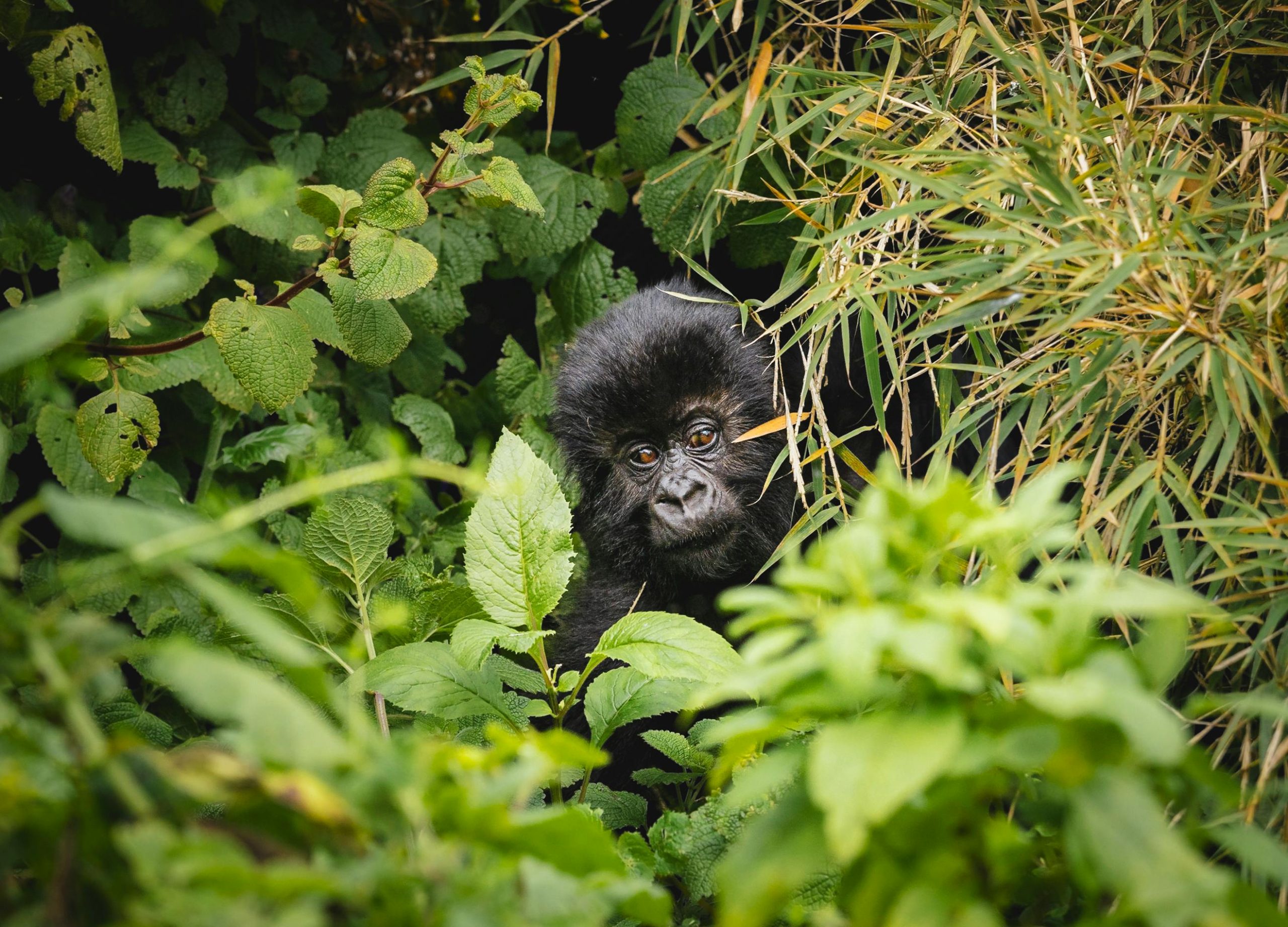
How Close Can You Get During a Gorilla Trek
How Close Can You Get During a Gorilla Trek
How Close Can You Get During a Gorilla Trek? A Complete Guide to Responsible and Safe Gorilla Encounters
Gorilla trekking is one of the most profound wildlife experiences on Earth. Coming face-to-face with a mountain gorilla in its natural habitat is a moment that leaves travelers speechless, humbled, and forever changed. But how close can you actually get to these majestic primates during a trek? What are the rules, the risks, and the rewards of such proximity?
In this comprehensive guide, we’ll explore everything you need to know about the distance regulations, safety protocols, and conservation ethics behind gorilla trekking. Whether you’re planning your first trek in the misty mountains of Rwanda, Uganda, or the Democratic Republic of Congo, or you’re simply curious about this extraordinary adventure, this article is your go-to resource.
🦍 What Is Gorilla Trekking?
Gorilla trekking is a guided hike through dense forests and mountainous terrain to observe habituated gorilla families in the wild. These treks are conducted in protected national parks such as:
- Volcanoes National Park in Rwanda
- Bwindi Impenetrable Forest and Mgahinga Gorilla National Park in Uganda
- Virunga National Park in the Democratic Republic of Congo
The gorillas you’ll encounter are typically mountain gorillas (Gorilla beringei beringei), a critically endangered subspecies with fewer than 1,100 individuals remaining in the wild.
🧭 How Close Can You Get to Gorillas?
The Official Distance: 7 Meters (About 23 Feet)
According to conservation guidelines set by the International Gorilla Conservation Programme (IGCP), trekkers must maintain a minimum distance of 7 meters (approximately 23 feet) from the gorillas. This rule is strictly enforced for several reasons:
- Health Protection: Gorillas share 98.4% of their DNA with humans, making them highly susceptible to human diseases.
- Behavioral Respect: Close proximity can stress the animals or alter their natural behavior.
- Safety: Although habituated, gorillas are still wild animals and can become aggressive if they feel threatened.
Reality on the Ground: Gorillas Sometimes Break the Rules
While guides and trackers will do their best to keep visitors at a safe distance, gorillas don’t always follow the rules. Curious juveniles may approach you, or a silverback might walk past you at close range. In such cases:
- Remain calm and still
- Avoid direct eye contact
- Do not touch the gorilla, even if it brushes against you
These moments are rare but unforgettable. However, they are exceptions—not the norm—and should not be encouraged.
🌍 Why the 7-Meter Rule Matters
1. Disease Transmission
Gorillas can catch colds, flu, and even COVID-19 from humans. In fact, respiratory infections are among the leading causes of death in wild gorilla populations. This is why trekkers are often required to:
- Wear masks during the encounter
- Avoid trekking if they are sick
- Sanitize hands before the trek
2. Conservation Ethics
Maintaining distance ensures that gorilla trekking remains a sustainable activity. It minimizes human impact on the gorillas’ natural behavior and habitat, which is essential for long-term conservation.
3. Personal Safety
A fully grown silverback can weigh up to 200 kg (440 lbs) and is incredibly strong. While attacks are extremely rare, respecting their space reduces the risk of triggering defensive behavior.
🧑🏫 How Are Gorillas Habituated?
Habituation is a gradual process where gorillas become accustomed to human presence through daily, non-threatening visits by researchers and park rangers. This process can take 2–3 years and involves:
- Observing the group from a distance
- Gradually reducing the distance over time
- Monitoring stress levels and behavior
Only habituated groups are visited by tourists. This ensures that the gorillas are comfortable with human observers and minimizes the risk of conflict.
🧳 What to Expect During a Gorilla Trek
Before the Trek
- Briefing: You’ll receive a safety briefing and be assigned to a gorilla group based on your fitness level.
- Group Size: Treks are limited to 8 visitors per group to reduce impact.
- Start Time: Most treks begin early in the morning.
During the Trek
- Duration: Treks can last from 30 minutes to 6 hours, depending on the location of the gorilla group.
- Terrain: Expect steep, muddy, and densely vegetated trails.
- Guides: You’ll be accompanied by experienced guides and armed rangers for safety.
The Encounter
- Viewing Time: Once the gorillas are located, you’ll have exactly 1 hour to observe them.
- Photography: Allowed, but no flash.
- Behavior: Stay quiet, move slowly, and follow your guide’s instructions at all times.
📸 Tips for a Safe and Respectful Encounter
- ✅ Wear a mask during the encounter
- ✅ Maintain the 7-meter distance at all times
- ✅ Avoid sudden movements or loud noises
- ✅ Do not eat or drink near the gorillas
- ✅ Follow your guide’s lead—always
🌿 Conservation Impact of Gorilla Trekking
Gorilla trekking is not just a tourist activity—it’s a powerful conservation tool. Revenue from trekking permits funds:
- Anti-poaching patrols
- Veterinary care for injured gorillas
- Community development projects
- Habitat preservation
In Rwanda, for example, 10% of permit fees go directly to local communities. This creates a strong incentive to protect gorillas and their habitats.
💰 Gorilla Trekking Permit Costs
| Country | Permit Cost (USD) | Notable Park |
|---|---|---|
| Rwanda | $1,500 | Volcanoes National Park |
| Uganda | $800 | Bwindi, Mgahinga |
| DRC | $400 | Virunga National Park |
Note: Prices are subject to change and may vary for foreign residents, citizens, or during promotional periods.
🌧️ Best Time to Go Gorilla Trekking
Dry Seasons (Best Time)
- June to September
- December to February
These months offer better trail conditions and clearer views.
Wet Seasons (Low Season)
- March to May
- October to November
Expect muddy trails and rain, but fewer tourists and discounted permits in some countries.
🧭 Where to Go Gorilla Trekking
Rwanda
- Volcanoes National Park
- Known for easier treks and luxury lodges
Uganda
- Bwindi Impenetrable Forest
- Offers both gorilla trekking and habituation experiences
- Mgahinga Gorilla National Park
- Less crowded, with stunning views of the Virunga volcanoes
Democratic Republic of Congo
- Virunga National Park
- Home to both mountain and eastern lowland gorillas
🧠 Frequently Asked Questions (FAQ)
1. Can gorillas attack humans during a trek?
While rare, gorillas may display defensive behavior if they feel threatened. Following the guide’s instructions and maintaining distance ensures safety.
2. What happens if a gorilla touches you?
Stay calm and still. Do not touch the gorilla back. Such encounters are rare and usually harmless.
3. Is gorilla trekking safe?
Yes, when done with certified guides and in designated parks. Rangers are trained to ensure both tourist and gorilla safety.
4. Do I need to be fit to go gorilla trekking?
Moderate fitness is recommended. Some treks are strenuous, especially in Bwindi. Inform your guides of any health conditions.
5. Can children go gorilla trekking?
Children under 15 are not allowed to trek, due to safety and disease transmission concerns.
How Close Can You Get During a Gorilla Trek
🧭 Final Thoughts: A Sacred Distance
Gorilla trekking is a privilege, not a right. The 7-meter rule isn’t just a guideline—it’s a symbol of respect for one of our closest relatives in the animal kingdom. By keeping our distance, we protect not only ourselves but the future of these magnificent creatures.
So when you finally lock eyes with a silverback in the misty jungle, remember: the space between you is sacred. It’s the space where trust is built, where conservation thrives, and where humanity meets the wild.
How Close Can You Get During a Gorilla Trek