
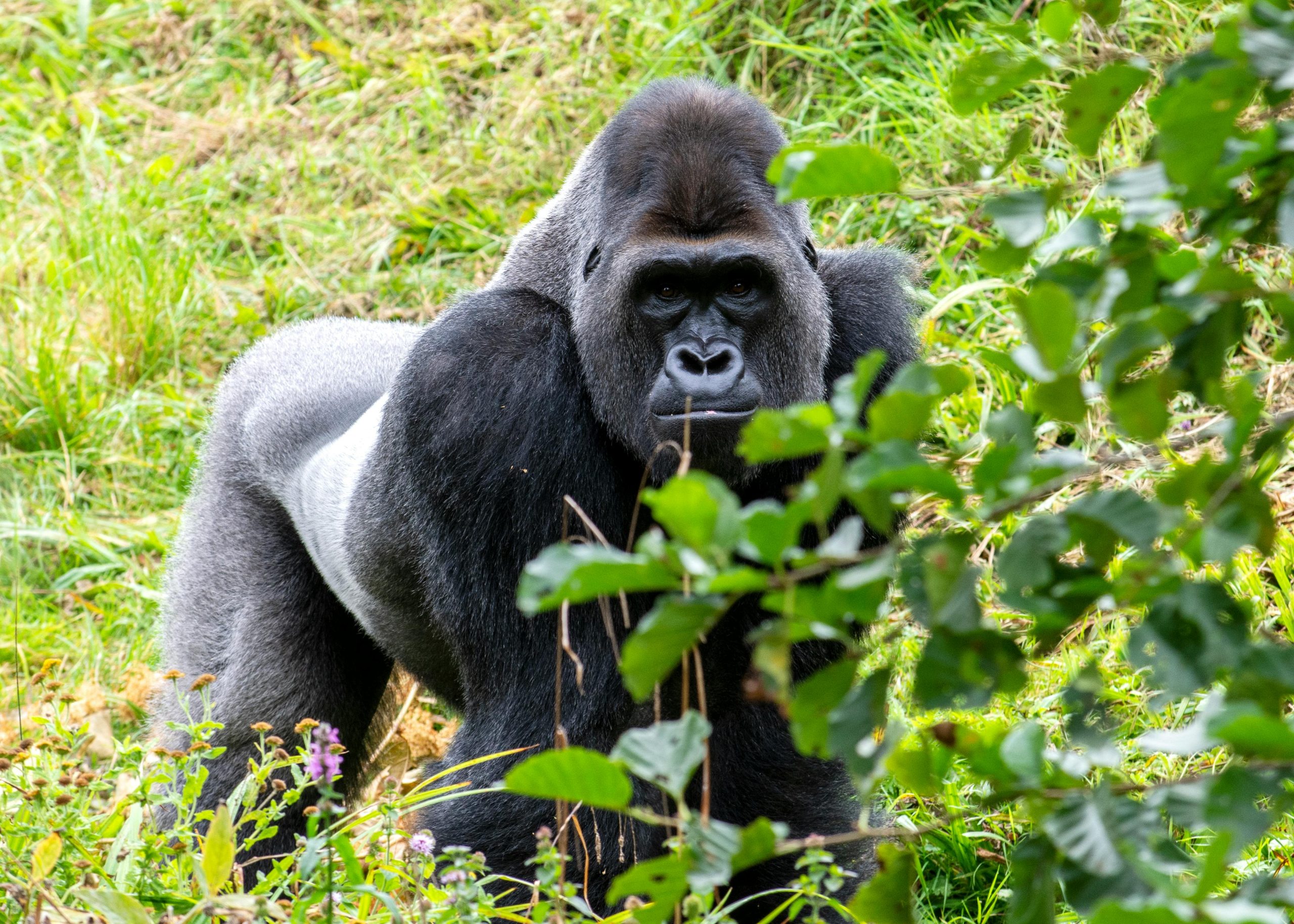
How Long Is a Gorilla Trek
How Long Is a Gorilla Trek
How Long Is a Gorilla Trek? A Complete Guide to Gorilla Trekking Duration and Experience
Gorilla trekking is one of the most awe-inspiring wildlife experiences on Earth. Whether you’re venturing into the misty mountains of Uganda, the dense jungles of Rwanda, or the remote forests of the Democratic Republic of Congo, the question every traveler asks is: How long is a gorilla trek?
The answer is not as straightforward as you might think. The duration of a gorilla trek can vary significantly based on several factors, including the location of the gorilla family, the terrain, your physical fitness, and weather conditions.
In this comprehensive guide, we’ll explore the average length of a gorilla trek, what influences the duration, what to expect during the experience, and how to prepare for this once-in-a-lifetime adventure.
What Is Gorilla Trekking?
Gorilla trekking is an immersive wildlife experience where travelers hike through tropical rainforests to observe mountain gorillas in their natural habitat. These treks are conducted in a few select locations where gorilla populations are protected and monitored by conservation authorities.
The primary destinations for gorilla trekking include:
- Bwindi Impenetrable National Park (Uganda)
- Mgahinga Gorilla National Park (Uganda)
- Volcanoes National Park (Rwanda)
- Virunga National Park (Democratic Republic of Congo)
Each of these parks offers a unique experience, but the core activity remains the same: hiking through the forest to find a habituated gorilla family and spending a precious hour in their presence.
How Long Is a Gorilla Trek on Average?
The actual duration of a gorilla trek can range from 30 minutes to over 8 hours. However, the average trek typically lasts between 2 to 6 hours.
Trekking Time Breakdown:
- Briefing and registration: 30–60 minutes
- Hiking to the gorillas: 1–4 hours (depending on location)
- Time spent with gorillas: 1 hour (strictly regulated)
- Return hike: 1–3 hours
So, in total, you should plan for a half-day to full-day excursion.
🔍 Factors That Influence Gorilla Trek Duration
Several variables can affect how long your gorilla trek will last:
1. Location of the Gorilla Family
Each gorilla group moves daily in search of food. Rangers track their movements early in the morning, but their exact location can vary greatly.
- Some groups are located close to the trailhead.
- Others may require long hikes deep into the forest.
2. Terrain and Altitude
Gorilla habitats are typically in mountainous or hilly regions. The terrain can be steep, muddy, and densely vegetated.
- Bwindi is known for its rugged, steep terrain.
- Volcanoes National Park has more open bamboo forests but can still be challenging.
3. Weather Conditions
Rain can make trails slippery and slow down the trek. Even in the dry season, sudden downpours are common in tropical forests.
4. Your Assigned Gorilla Group
During the morning briefing, trekkers are grouped based on age, fitness level, and preferences. Some groups are assigned to closer gorilla families, while others are sent on more strenuous hikes.
5. Your Own Fitness Level
While you don’t need to be an athlete, a reasonable level of fitness is necessary. The trek can be physically demanding, especially in high altitudes.
Gorilla Trekking Destinations Compared
| Destination | Average Trek Duration | Terrain | Difficulty Level |
|---|---|---|---|
| Bwindi (Uganda) | 3–6 hours | Dense forest, steep hills | Moderate to difficult |
| Mgahinga (Uganda) | 2–5 hours | Volcanic terrain | Moderate |
| Volcanoes (Rwanda) | 2–4 hours | Bamboo forest, volcanic slopes | Moderate |
| Virunga (DRC) | 2–6 hours | Varied terrain | Moderate to difficult |
🧳 What to Expect During the Trek
Before the Trek
- Arrive at the park headquarters by 7:00 AM.
- Attend a briefing on gorilla behavior, trekking rules, and safety.
- Get assigned to a gorilla family and guide.
During the Trek
- Hike through dense vegetation, sometimes off-trail.
- Follow rangers who use radio communication to locate gorillas.
- Take breaks as needed; porters are available to assist.
Upon Finding the Gorillas
- Spend one hour observing the gorillas.
- Maintain a distance of 7 meters.
- No flash photography.
- Stay quiet and follow the guide’s instructions.
After the Trek
- Return hike to headquarters.
- Receive a trekking certificate.
Tips to Prepare for Your Gorilla Trek
Being well-prepared can make your trek more enjoyable and less strenuous.
🥾 What to Wear
- Long-sleeved shirts and trousers
- Waterproof hiking boots
- Gaiters or long socks (to protect from ants)
- Rain jacket or poncho
- Gardening gloves (for grabbing vegetation)
What to Bring
- Small backpack
- Water (at least 2 liters)
- Energy snacks
- Camera (no flash)
- Walking stick (often provided)
- Passport (for permit verification)
💡 Pro Tips
- Hire a porter – they carry your bag and assist on tough terrain.
- Train with cardio and hikes before your trip.
- Book your gorilla permit well in advance.
Conservation and Ethical Considerations
Gorilla trekking is not just a tourist activity—it’s a critical conservation tool. The revenue from permits supports:
- Anti-poaching efforts
- Ranger salaries
- Community development
- Veterinary care for gorillas
By participating in a trek, you directly contribute to the survival of this endangered species.
Gorilla Trekking Permit Costs
| Country | Permit Cost (USD) |
|---|---|
| Rwanda | $1,500 |
| Uganda | $800 |
| DRC | $400 |
Note: Prices are subject to change. Always check with official park websites or tour operators.
Best Time for Gorilla Trekking
Gorilla trekking is available year-round, but the dry seasons are generally preferred:
- June to September
- December to February
During these months, trails are less muddy, and visibility is better. However, the wet seasons offer fewer crowds and lush scenery.
Gorilla Trekking: A Life-Changing Experience
Whether your trek is short and sweet or a challenging all-day hike, the reward is the same: a magical hour in the presence of one of our closest relatives in the animal kingdom. The moment you lock eyes with a silverback or watch a baby gorilla playfully tumble through the undergrowth, the effort fades away.
Gorilla trekking is not just about the duration—it’s about the journey, the connection, and the conservation impact.
FAQ: Gorilla Trekking Duration and Experience
1. How long does it take to find the gorillas?
It can take anywhere from 30 minutes to 4 hours to locate the gorilla family, depending on their movements that day.
2. How long do you stay with the gorillas?
You are allowed to spend exactly one hour with the gorillas once they are found. This is strictly enforced to minimize stress on the animals.
3. Can elderly or less fit individuals do a gorilla trek?
Yes. Trekkers are grouped based on fitness levels, and shorter treks are available. Porters and walking sticks are also provided for assistance.
4. What happens if it rains during the trek?
Treks continue rain or shine. It’s essential to wear waterproof gear and be prepared for slippery trails.
5. Are there different types of gorilla treks?
Yes. Some parks offer habituation experiences, where you spend up to 4 hours with gorillas as they get used to human presence. These treks are longer and more immersive.