
How Safe Is RwandAir
How Safe Is RwandAir
How Safe Is RwandAir? A Comprehensive Analysis of Rwanda’s National Airline
RwandAir, the flag carrier of Rwanda, has steadily risen in prominence over the past decade, becoming a notable player in the African aviation landscape. As more travelers consider flying with this airline, a common and critical question arises: How safe is RwandAir? This article delves deeply into the safety standards, operational practices, fleet maintenance, and global reputation of RwandAir to provide a clear, data-driven answer.
Introduction to RwandAir
Founded in 2002, RwandAir has grown from a small regional airline into a respected international carrier. Headquartered in Kigali, Rwanda, the airline operates flights across Africa, the Middle East, Europe, and Asia. Its mission is to provide safe, reliable, and high-quality air travel, and it has made significant investments to achieve this goal.
Safety Certifications and Regulatory Oversight
One of the most telling indicators of an airline’s safety is its compliance with international aviation standards. RwandAir holds several key certifications and operates under strict regulatory oversight:
Key Safety Certifications
- IATA Operational Safety Audit (IOSA): RwandAir is IOSA certified, which means it has passed the rigorous safety audit conducted by the International Air Transport Association.
- Civil Aviation Authority of Rwanda: The airline is regulated by the Rwanda Civil Aviation Authority (RCAA), which adheres to international aviation safety standards set by the International Civil Aviation Organization (ICAO).
What Does IOSA Certification Mean?
The IOSA program audits more than 900 operational and safety procedures, including:
- Flight operations
- Aircraft maintenance
- Cabin operations
- Security management
- Ground handling
Being IOSA-certified places RwandAir among a select group of airlines globally recognized for their commitment to safety.
Fleet Modernity and Maintenance
A modern and well-maintained fleet is crucial for airline safety. RwandAir has invested heavily in acquiring new aircraft and maintaining them to the highest standards.
Fleet Overview
RwandAir operates a fleet of over 12 aircraft, including:
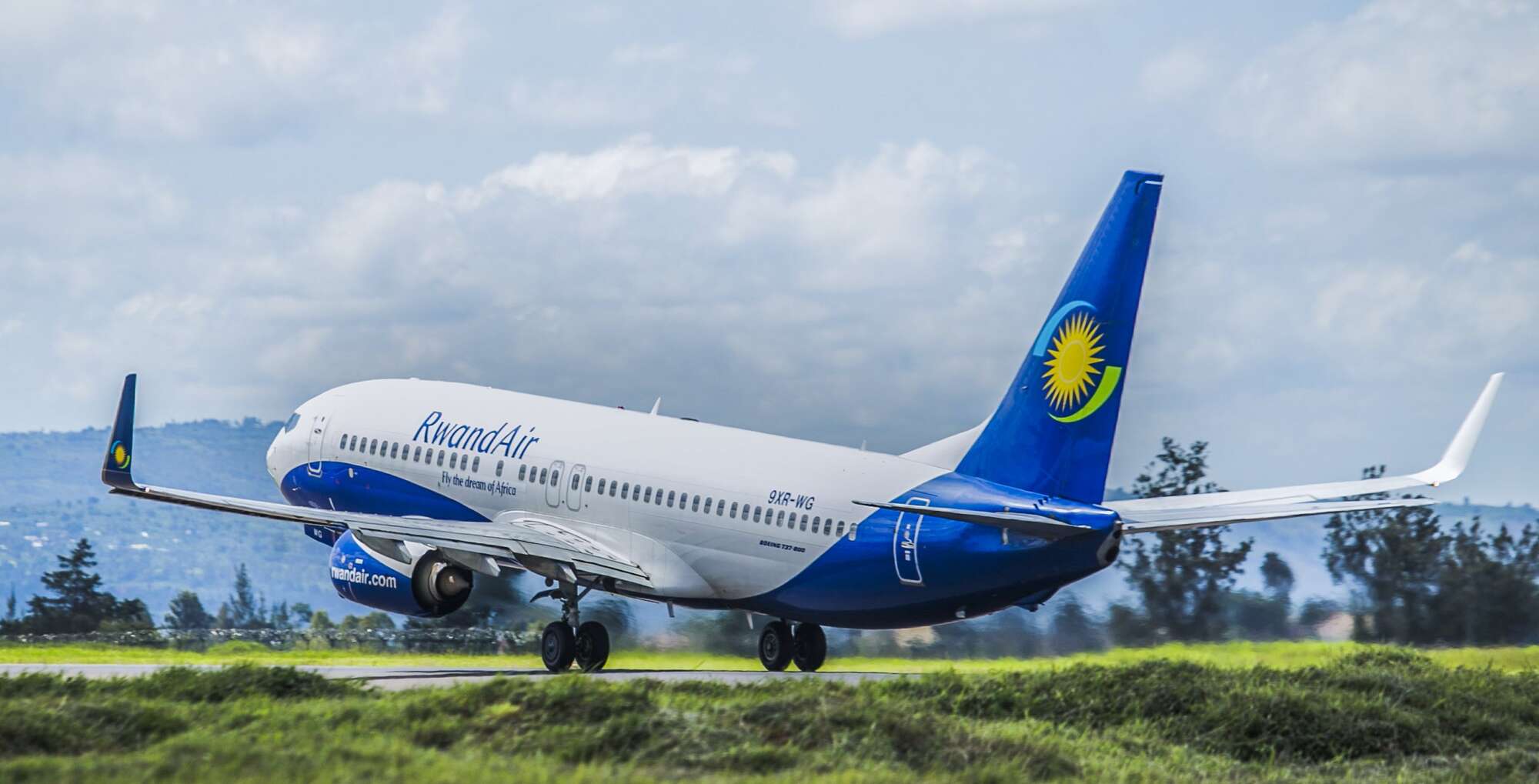
- Boeing 737-800 and 737-700 – Used for regional and medium-haul flights
- Airbus A330-200 and A330-300 – For long-haul international routes
- Bombardier CRJ900 – Ideal for short-haul regional flights
Maintenance Practices
- In-house Maintenance: RwandAir has its own maintenance facilities at Kigali International Airport.
- Third-party Partnerships: The airline also partners with globally recognized maintenance providers like Lufthansa Technik for technical support and inspections.
- Regular Inspections: Aircraft undergo routine checks, including:
- Daily pre-flight inspections
- A-checks every few hundred flight hours
- C-checks every 18–24 months
These practices ensure that the fleet remains in optimal condition, minimizing the risk of mechanical failure.
Pilot Training and Crew Standards
The competence of flight crews is another critical aspect of airline safety.
Pilot Recruitment and Training
- Strict Hiring Standards: RwandAir hires pilots with extensive experience and valid certifications from recognized aviation authorities.
- Training Partnerships: Collaborations with institutions like CAE Aviation Training ensure pilots receive world-class simulator training.
- Recurrent Training: All pilots undergo regular simulator sessions and emergency drills to stay current with evolving safety protocols.
Cabin Crew Training
- Safety and Emergency Procedures (SEP): All flight attendants are trained in SEP, including:
- Evacuation drills
- First aid
- Firefighting
- Passenger handling during emergencies
This ensures that both cockpit and cabin crews can respond effectively in any situation.
Operational Safety Record
RwandAir boasts a strong safety record, with no fatal accidents or major incidents reported since its inception. This is a testament to its rigorous safety culture and operational discipline.
Key Safety Highlights
- Zero Fatal Accidents: Since 2002, RwandAir has maintained a clean record with no fatal crashes.
- Minimal Delays and Cancellations: The airline has a reputation for punctuality and operational reliability.
- Incident Reporting System: RwandAir encourages a proactive safety culture with a confidential reporting system for crew and staff.
Partnerships and Global Recognition
RwandAir’s safety reputation is further bolstered by its strategic alliances and international recognition.
Notable Partnerships
- Qatar Airways: Qatar Airways owns a 49% stake in RwandAir, bringing with it access to world-class safety and operational expertise.
- Codeshare Agreements: RwandAir has codeshare agreements with airlines like:
These partnerships require mutual safety audits and compliance with international standards.
Passenger Reviews and Safety Perception
While technical safety is paramount, passenger perception also plays a role in evaluating an airline.
What Passengers Say
- Skytrax Ratings: RwandAir has received favorable reviews on Skytrax for cleanliness, professionalism, and safety.
- TripAdvisor Feedback: Passengers often highlight:
- Clean and modern aircraft
- Friendly and competent crew
- Smooth and punctual flights
These reviews reinforce the airline’s commitment to a safe and pleasant flying experience.
COVID-19 Safety Protocols
In response to the global pandemic, RwandAir implemented stringent health and safety measures to protect passengers and crew.
Key Measures
- Mandatory Masking: All passengers and crew are required to wear masks.
- Enhanced Cleaning: Aircraft are disinfected after every flight.
- HEPA Filters: All aircraft are equipped with HEPA air filtration systems that remove 99.97% of airborne particles.
- Contactless Check-in: Digital boarding passes and self-service kiosks reduce physical contact.
These protocols align with guidelines from the World Health Organization (WHO) and IATA.
Conclusion: Is RwandAir Safe to Fly?
Based on a comprehensive review of its certifications, fleet, training programs, operational history, and passenger feedback, RwandAir is a safe and reliable airline. Its adherence to international safety standards, investment in modern aircraft, and partnerships with global aviation leaders make it a trustworthy choice for both regional and international travel.
Frequently Asked Questions
1. Has RwandAir ever had a crash?
No. Since its founding in 2002, RwandAir has maintained a spotless safety record with no fatal accidents or major incidents.
2. Is RwandAir IOSA certified?
Yes. RwandAir is certified under the IATA Operational Safety Audit (IOSA), which is one of the highest safety standards in the aviation industry.
3. How modern is RwandAir’s fleet?
RwandAir operates a modern fleet that includes Boeing 737s, Airbus A330s, and Bombardier CRJ900s. The average fleet age is relatively young compared to global standards.
4. What safety measures are in place for COVID-19?
RwandAir has implemented extensive health protocols, including:
- HEPA filters
- Mask mandates
- Enhanced cleaning
- Contactless check-in
These measures are in line with WHO and IATA guidelines.
5. Is it safe to fly with RwandAir internationally?
Yes. RwandAir meets international aviation safety standards and has codeshare agreements with reputable airlines like Qatar Airways and Brussels Airlines, which further validates its safety credentials.