
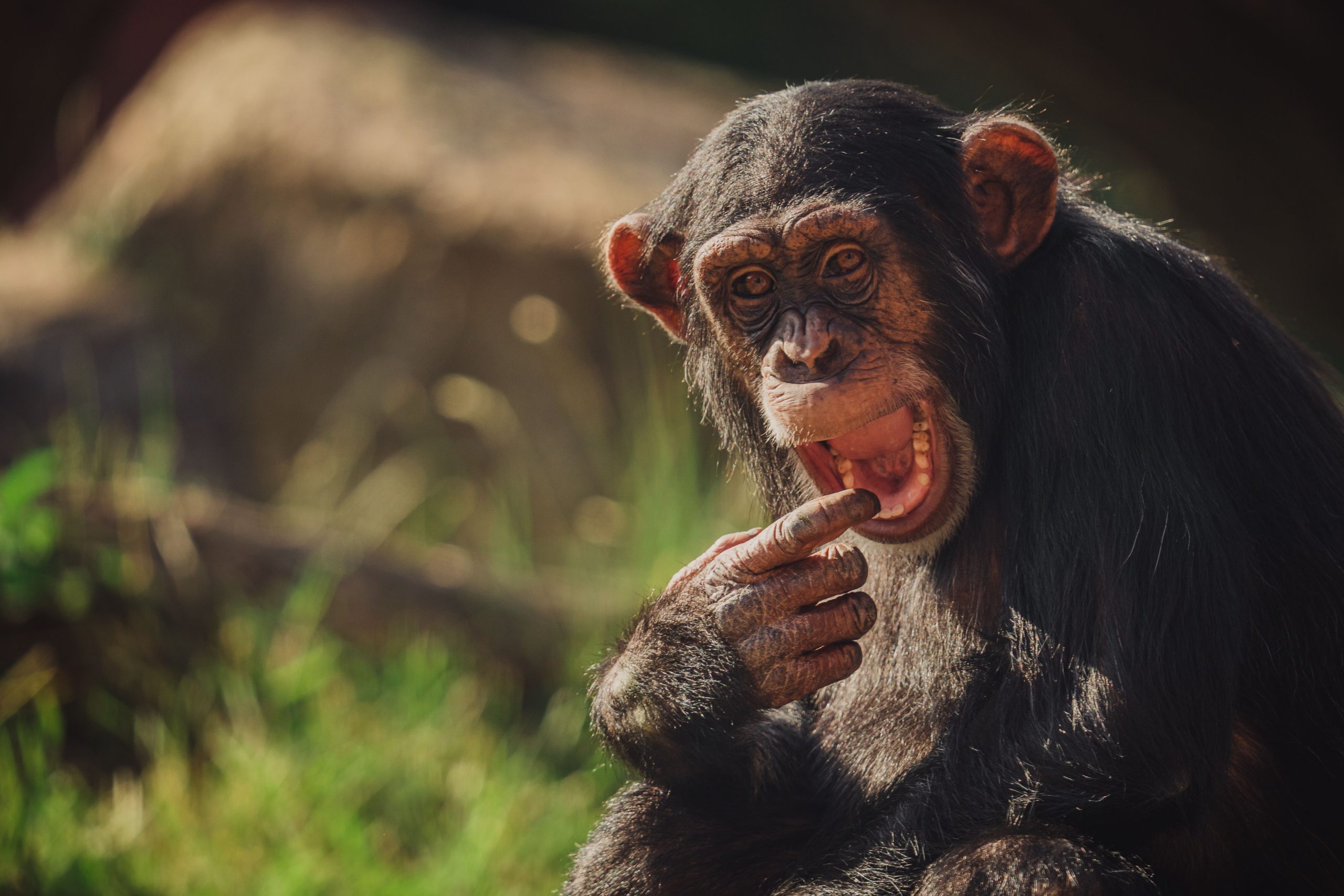
Is Kibale Forest worth visiting
Is Kibale Forest worth visiting
Is Kibale Forest Worth Visiting? A Complete Guide to Kibale Forest National Park, Uganda
If you are planning a Uganda safari and wondering “Is Kibale Forest worth visiting?”, the answer depends on what you want from your trip but for travelers interested in chimpanzees, primates, birdwatching, forest scenery, and immersive nature experiences, Kibale Forest is a particularly important destination.
Located in western Uganda near Fort Portal, Kibale National Park is famous for its exceptional primate diversity and is one of Uganda’s principal destinations for chimpanzee tracking. Uganda Wildlife Authority describes the park as supporting 13 types of primates, while its current park information highlights chimpanzees, red colobus, black-and-white colobus, L’Hoest’s monkeys, grey-cheeked mangabeys, and other wildlife.
For travelers looking beyond traditional savannah game drives, a visit to Kibale can add an entirely different dimension to a Uganda safari.
Why Is Kibale Forest Worth Visiting?
Kibale Forest is worth visiting because it offers experiences that are difficult to find in the same combination elsewhere in Uganda. Rather than focusing primarily on lions, elephants, buffaloes, and other savannah wildlife, Kibale takes you deep into a tropical forest ecosystem where primates are the main attraction.
The park covers approximately 321 square kilometers and lies in western Uganda’s Kabarole area. Its forest landscape supports a remarkable variety of mammals, birds, plants, and other species.
The biggest reasons to visit include:
- Chimpanzee trekking
- Chimpanzee habituation experiences
- Encounters with numerous monkey species
- Guided forest walks
- Birdwatching
- Night forest walks
- Nearby Bigodi Wetland experiences
- Beautiful forest scenery
- Easy combination with Queen Elizabeth National Park and other western Uganda destinations
For travelers who enjoy nature and wildlife rather than only traditional game drives, Kibale can be an excellent addition to a Uganda itinerary.
Chimpanzee Trekking in Kibale Forest
Chimpanzee trekking is the main reason many visitors come to Kibale.
The forest protects one of Uganda’s most important chimpanzee populations, and Uganda Wildlife Authority identifies Kibale as the country’s most popular location for chimpanzee tracking.
During a typical trek, visitors walk through the forest with trained guides and rangers while searching for habituated chimpanzee communities.
Once the chimpanzees are located, visitors can observe them feeding, climbing, communicating, resting, and interacting with one another.
UWA’s published information states that normal chimpanzee tracking allows up to one hour of viewing once the chimpanzees are encountered.
The trek itself can take several hours because chimpanzees move through the forest and visitors may need to follow them over different terrain.
That unpredictability is part of the experience, you are not simply visiting an enclosure where animals are waiting for you.
Kibale Is More Than Chimpanzees
One of the biggest advantages of visiting Kibale is that chimpanzees are not the only attraction.
The park is renowned for its diversity of primates. Visitors may encounter species such as:
- Red colobus monkeys
- Black-and-white colobus monkeys
- L’Hoest’s monkeys
- Grey-cheeked mangabeys
- Olive baboons
- Blue monkeys
- Red-tailed monkeys
The forest is also home to many other mammals and a large variety of birds. UWA’s current park information lists more than 120 mammal species and approximately 370 bird species in Kibale.
This makes Kibale especially appealing to photographers, birdwatchers, researchers, primate enthusiasts, and travelers who enjoy walking through natural environments.
Chimpanzee Habituation Experience
If you want more time with chimpanzees, Kibale also offers a Chimpanzee Habituation Experience.
Unlike ordinary chimpanzee tracking, habituation involves spending a substantially longer period following chimpanzees that are less accustomed to human presence.
According to Uganda Wildlife Authority guidelines, the Chimpanzee Habituation Experience can provide up to four hours of viewing, compared with a maximum of one hour for normal chimpanzee tracking.
This experience can be particularly interesting for photographers, researchers, wildlife enthusiasts, and travelers who want to understand chimpanzee behavior in greater detail.
Because the animals may be less accustomed to people, the experience can also involve more searching and following through the forest.
Birdwatching in Kibale Forest
Kibale is also an excellent destination for bird lovers.
The forest and surrounding habitats support hundreds of bird species, including forest specialists and species associated with the Albertine Rift.
A UWA park brochure lists approximately 372 forest, grassland, and swamp species and recommends combining forest birding with a visit to Bigodi Wetland Sanctuary.
If birdwatching is important to you, spending additional time around Kibale rather than treating it as a quick stop can make your safari more rewarding.
Nature Walks in Kibale
You do not have to trek chimpanzees to enjoy Kibale.
Guided nature walks allow visitors to explore the forest while observing plants, insects, birds, monkeys, and other wildlife.
These walks are also useful for travelers who want a slower experience without making chimpanzee sightings the sole objective.
The forest environment itself is an attraction, with towering vegetation, shaded trails, sounds of birds and monkeys, and the feeling of being surrounded by a genuine tropical rainforest.
Night Walks in Kibale
Kibale offers another interesting experience after sunset: guided night walks.
According to UWA information, night walks can provide opportunities to look for nocturnal animals such as galagos, pottos, and bushbabies.
The experience is very different from daytime trekking.
Instead of searching for active chimpanzees and monkeys in the canopy, visitors move through the forest after dark with guides and use lights to look for animals that become active at night.
Visit Bigodi Wetland Sanctuary
A trip to Kibale can also be combined with a visit to Bigodi Wetland Sanctuary, located outside the national park.
Bigodi is particularly attractive for travelers interested in community-based tourism, birdwatching, primates, and wetland scenery.
UWA’s Kibale information recommends combining forest birding with Bigodi because the wetland and forest-edge habitats can add different bird species to your experience.
A visit also gives travelers an opportunity to experience the communities surrounding Kibale and learn more about local livelihoods and conservation.
Kibale’s Location Makes It Easy to Combine With Other Destinations
Another reason Kibale Forest is worth considering is its location within western Uganda.
UWA states that the park can be reached from Kampala via the Kampala–Fort Portal highway, with approximately 326 kilometers of road travel and a journey of around six hours under normal conditions.
Kibale can also be combined with other attractions, including:
- Queen Elizabeth National Park
- Rwenzori Mountains
- Semuliki National Park
- Fort Portal
- Crater lakes
- Bigodi Wetland Sanctuary
This means you can incorporate Kibale into a broader Uganda safari rather than planning an entire trip around the forest.
Can Kibale Be Combined With a Uganda Safari?
Absolutely.
One popular itinerary structure is:
Kampala/Entebbe → Kibale Forest → Queen Elizabeth National Park → Bwindi Impenetrable National Park → Kampala/Entebbe
This type of itinerary can combine chimpanzee trekking, savannah wildlife viewing, boat experiences, forest scenery, and gorilla trekking.
Another option is:
Kampala → Kibale → Queen Elizabeth → Murchison Falls → Kampala
The best route depends on the number of days available and the activities you want to include.
Is Kibale Suitable for Families?
Kibale can be suitable for families, but the specific activities and age requirements should be confirmed when planning the safari.
Chimpanzee trekking involves walking through forest terrain, sometimes for several hours, so families should consider children’s ages, fitness levels, and comfort with hiking.
For families who prefer a less demanding activity, guided nature walks and other forest experiences may be worth considering.
Because UWA regulations and activity requirements can change, it is sensible to confirm the current rules before booking.
Is Kibale Worth Visiting for First-Time Visitors to Uganda?
For a first-time visitor who wants to experience Uganda’s variety, Kibale can be a valuable addition to a safari.
Uganda is not only a destination for traditional savannah wildlife. The country also offers primate encounters, rainforest experiences, birdwatching, mountain trekking, boat trips, and cultural experiences.
Kibale introduces travelers to this forest side of Uganda.
If chimpanzees and primates are high on your travel list, Kibale deserves particular consideration.
Best Time to Visit Kibale Forest
Chimpanzee tracking and habituation experiences take place throughout the year. UWA notes that chimpanzee tracking can be conducted year-round and that chimpanzees may move deeper into the forest during drier periods in search of food.
Travelers should also remember that Kibale is a rainforest environment. Rain can occur even when conditions elsewhere in Uganda are dry.
Wet trails can make trekking more challenging, but the forest can also be especially lush and beautiful.
The best time therefore depends on whether your priority is trekking conditions, photography, birding, availability, or combining Kibale with other destinations.
What Should You Bring to Kibale Forest?
For a comfortable forest experience, consider packing:
- Comfortable hiking shoes
- Long trousers
- Lightweight long-sleeved clothing
- Rain jacket or poncho
- Insect repellent
- Reusable water bottle
- Small backpack
- Camera and extra batteries
- Binoculars
- Hat
- Sunscreen
Good footwear is particularly important because forest trails can become muddy after rain.
Responsible Chimpanzee Tourism
Responsible behavior is extremely important when visiting Kibale.
Chimpanzees are wild animals, and visitors should follow instructions from UWA guides and rangers.
Current UWA guidelines include maintaining a safe distance, avoiding flash photography, not chasing chimpanzees, keeping noise low, and following health-related requirements.
Responsible tourism helps protect both visitors and wildlife while allowing future generations to enjoy the forest.
Why Choose Turkana Wildlife Safaris Uganda for Your Kibale Adventure?
Turkana Wildlife Safaris Uganda can help travelers organize a Kibale Forest experience as part of a customized Uganda safari.
Whether you are interested in chimpanzee trekking, chimpanzee habituation, birdwatching, nature walks, Bigodi Wetland, or combining Kibale with Queen Elizabeth, Bwindi, Murchison Falls, or other destinations, your itinerary can be designed around your available time and interests.
A well-planned Kibale safari can include transportation, accommodation, park activities, guides, meals, and connections to other destinations depending on the package selected.
For travelers looking for a Uganda safari that goes beyond ordinary game drives, adding Kibale can create a more diverse wildlife experience.
Frequently Asked Questions About Kibale Forest
1. Is Kibale Forest worth visiting?
Yes, Kibale is particularly worthwhile for travelers interested in chimpanzees, primates, rainforest scenery, birdwatching, and guided forest experiences. It is one of Uganda’s principal chimpanzee-tracking destinations.
2. What is Kibale Forest famous for?
Kibale is most famous for its chimpanzees and exceptional primate diversity. The park supports numerous primate species as well as hundreds of bird species and many other animals.
3. How long does chimpanzee trekking take in Kibale?
The length varies depending on where the chimpanzees are located and how far they move. UWA information indicates that tracking walks can take several hours, while normal viewing time with the chimpanzees is limited to one hour.
4. Can I see chimpanzees in Kibale?
Kibale is one of Uganda’s principal destinations for chimpanzee tracking, and habituated chimpanzee communities are available for tourism. However, wildlife sightings can never be treated as absolutely guaranteed because chimpanzees are wild animals.
5. Can I visit Kibale without trekking chimpanzees?
Yes. Visitors can participate in guided nature walks, birdwatching, and other forest activities. Night walks are also available as a way to explore the forest after dark.
6. Is Kibale good for birdwatching?
Yes. Kibale supports hundreds of bird species and offers forest and wetland habitats that are attractive to birdwatchers. Bigodi Wetland Sanctuary can also be combined with forest birding.
7. Can Kibale be combined with Queen Elizabeth National Park?
Yes. Kibale and Queen Elizabeth National Park can be combined in a western Uganda safari, allowing travelers to experience both rainforest primates and savannah wildlife.
8. How far is Kibale from Kampala?
UWA states that Kibale is approximately 326 kilometers from Kampala by road, with the journey taking about six hours under normal conditions.
9. Is Kibale good for photographers?
Yes. Chimpanzees, monkeys, birds, forest vegetation, and landscapes provide numerous photographic opportunities. Visitors should follow UWA photography rules, including restrictions on flash photography.
10. Should I add Kibale to my Uganda safari?
If you are interested in chimpanzees, primates, rainforest ecosystems, or nature walks, Kibale can be a meaningful addition to your itinerary. It can also fit naturally into longer western Uganda safari routes.
Conclusion: Is Kibale Forest Worth Visiting?
Kibale Forest is a remarkable destination for travelers who want to experience Uganda’s rainforest and primate wildlife. Its chimpanzee trekking, diverse monkey species, birdlife, nature walks, night walks, and nearby Bigodi Wetland Sanctuary provide plenty to do beyond a conventional safari.
Its location also makes it practical to combine with destinations such as Queen Elizabeth National Park, Bwindi Impenetrable National Park, Semuliki, and the Rwenzori Mountains.
For a traveler planning a Uganda safari, Kibale Forest can add an entirely different experience to the journey moving from open savannah landscapes into a dense tropical forest filled with chimpanzees, monkeys, birds, and other wildlife.
Turkana Wildlife Safaris Uganda can help you plan a Kibale Forest safari tailored to your interests, budget, travel dates, and preferred combination of Uganda’s national parks and wildlife experiences.