
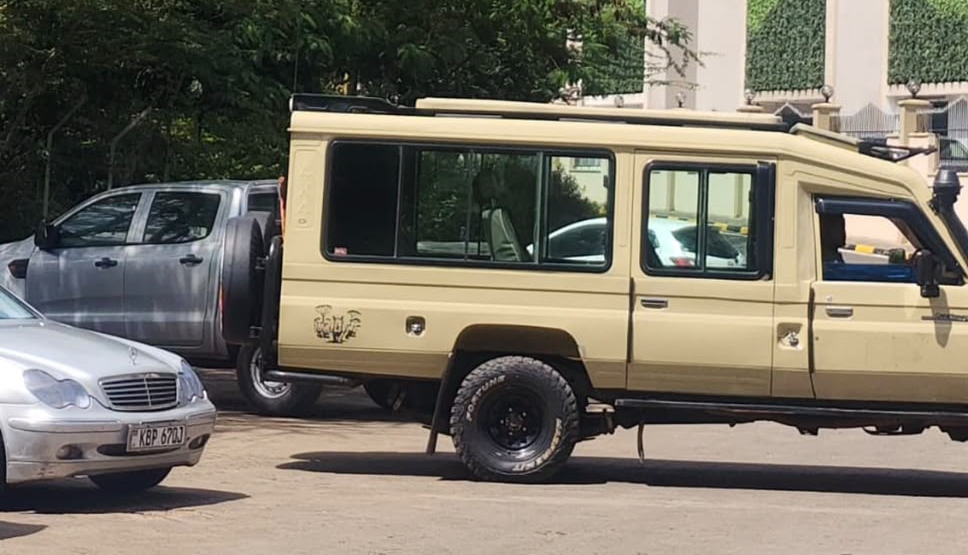
Is self-drive recommended in Uganda
Is Self-Drive Recommended in Uganda? A Practical, Expert Guide for Confident Road Trips
Uganda is often described as the “Pearl of Africa,” and for good reason: lush highlands, vast savannahs, crater lakes, tropical forests, and some of the most iconic wildlife encounters on the continent. With this diversity, it’s natural to ask whether a self-drive journey is truly a good idea or whether a guided trip makes more sense.
So, is self-drive recommended in Uganda? Yes, it can be if your expectations, route choice, and preparation match the realities on the ground. Uganda is not difficult in the way some travelers fear, but it does demand planning, patience, and an appreciation for unpredictability: road surfaces change fast, signage can be sparse, weather affects access, and driving culture requires alertness.
This in-depth guide explains when self-drive in Uganda is a great fit, when it’s not, what you need to know before you go, and how to structure a safe, rewarding itinerary. Along the way, you’ll find helpful resources from Turkana Wildlife Safaris Uganda, a trusted operator for rentals, planning, and safari logistics.
Why Travelers Consider Self-Drive in Uganda
A self-drive safari or road trip in Uganda is appealing for three main reasons:
- Freedom and flexibility: You choose your pace, stops, and detours.
- Cost control: Self-drive can reduce guide costs, especially for longer trips.
- Adventure factor: Driving through Uganda’s changing landscapes is an experience in itself.
Many travelers love the autonomy of exploring places like Murchison Falls, Queen Elizabeth National Park, Lake Bunyonyi, or Kidepo Valley at their own rhythm, pausing for roadside fruit markets, scenic viewpoints, and community visits.
To explore practical options for logistics and planning, visit the official website of Turkana Wildlife Safaris Uganda (ideal for route advice, rentals, and safari support).
The Honest Answer: When Self-Drive Is Recommended in Uganda
Self-drive is recommended in Uganda when:
1) You’re Comfortable With Imperfect Roads
Uganda’s main highways between big towns are often manageable, but once you head into national parks or remote regions, expect:
- Potholes
- Gravel stretches
- Mud in rainy season
- Limited lighting (night driving is risky)
If you can handle variable road conditions and drive defensively, self-drive can be enjoyable and safe.
2) You Choose the Right Vehicle (Usually a 4×4)
A 4×4 is not optional for many safari routes, especially if you plan to:
- Drive inside national parks
- Travel during rainy months
- Explore less-developed areas like Kidepo or remote crater lakes
A reputable safari-ready vehicle with good clearance and a spare tire strategy can make or break your trip. Consider exploring 4×4 options through Turkana Wildlife Safaris Uganda’s vehicle services (ask specifically for safari-ready 4x4s and park-appropriate setups).
3) Your Itinerary Isn’t Over-Ambitious
Uganda looks small on a map, but travel times can be long due to road conditions, traffic, and checkpoints.
A realistic plan prioritizes:
- Fewer long driving days
- Early starts
- Buffer time for delays
4) You’re Not Relying on Constant Signage or GPS Perfection
Navigation has improved, but:
- Some park tracks are confusing
- Google Maps may route you through poor roads
- Mobile signal drops in remote zones
Offline maps + local advice is the best combination.
When Self-Drive Is Not Recommended (or Not Ideal)
Self-drive may not be recommended in Uganda if:
1) It’s Your First Time Driving in East Africa
Driving styles can feel aggressive compared to Europe/North America:
- Overtaking can be frequent
- Motorbikes (“boda-bodas”) appear suddenly
- Pedestrians and livestock share roads
If that sounds stressful, a driver-guide is often the best investment.
2) You’re Doing a Tight Gorilla Trekking Schedule
If your highlight is gorilla trekking in Bwindi Impenetrable National Park, timing is critical, permits are strict, and road delays can cost you. A guided arrangement minimizes risk.
You can still do a hybrid approach (self-drive to the region, then use local transfers), but most travelers prefer a handled plan for gorilla days. For gorilla and primate planning support, contact Turkana Wildlife Safaris Uganda for permit timing and lodging suggestions.
3) You Plan to Drive at Night
Night driving is strongly discouraged due to:
- Poor visibility
- Unlit vehicles/bicycles
- Animals on roads
- Security considerations
If your schedule forces night travel, consider hiring a driver.
4) You Want a Wildlife-Focused Safari Experience
Spotting wildlife can be harder without an experienced guide. In parks like Queen Elizabeth or Murchison Falls, a guide knows:
- Where sightings are likely
- How to interpret animal behavior
- The best times and tracks for predators
Self-drive is still possible, but guided game drives can dramatically improve sightings.
Road Safety, Rules, and Reality: What to Expect
Uganda is generally safe for tourists, and many self-drive trips go smoothly. Still, it’s important to drive with local realities in mind.
Key driving considerations
- Drive on the left-hand side
- Speed limits vary, but enforcement is common around towns
- Police checkpoints are normal, stay calm, polite, and prepared with documents
- Seatbelts should be worn; avoid using phones while driving
- Fuel planning matters, fill up before remote stretches
Smart safety habits
- Start driving early and aim to arrive before sunset
- Keep doors locked in heavy-traffic zones
- Don’t leave valuables visible
- Carry drinking water and basic snacks
- Have a working spare tire and know how to change it
If you want a safety-checked vehicle and local road advice, use a specialist such as Turkana Wildlife Safaris Uganda rather than a generic city rental desk.
Best Routes in Uganda for Self-Drive (Beginner-Friendly to Advanced)
Beginner-friendly self-drive circuits
These routes are generally simpler because roads are comparatively better and services are easier to find:
- Kampala → Jinja → Sipi Falls (or return)
- Kampala → Murchison Falls National Park
- Kampala → Lake Mburo National Park
These trips can still include rough park tracks, but the main access roads are often manageable.
Intermediate routes (more remote, more rewarding)
- Kampala → Queen Elizabeth National Park
- Queen Elizabeth → Ishasha sector (tree-climbing lions)
- Fort Portal crater lakes region
These require better planning, especially if rain is expected.
Advanced self-drive adventures
- Kidepo Valley National Park (spectacular, remote, long distances)
- Bwindi + Mgahinga + Lake Bunyonyi circuit
- Multiple parks across varied terrain in one loop
For advanced routes, it’s wise to consult a safari operator for route feasibility and seasonal conditions. Reach out to Turkana Wildlife Safaris Uganda for itinerary support, especially if you want to combine national parks with primate trekking.
Vehicle Choice: What You Actually Need
A self-drive trip in Uganda is not the place to “make do” with the cheapest option if your route includes parks.
Recommended vehicle features
- High ground clearance
- 4WD capability (especially for rain/park tracks)
- Good tires + at least one reliable spare
- Jack, wheel spanner, and basic tools
- Functional AC (comfort improves driving focus)
- Enough luggage space (avoid overloading)
Helpful add-ons for safari-style travel
- Roof rack or pop-up roof (ideal but not mandatory)
- Cooler box
- Extra fuel can (for remote stretches)
- Offline maps device / phone mount
For travelers prioritizing reliability and safari suitability, it’s often best to source through operators used to national-park driving such as Turkana Wildlife Safaris Uganda.
Costs: Is Self-Drive Cheaper Than a Guided Safari?
Sometimes, but not always. Self-drive can reduce daily guiding fees, yet Uganda has fixed costs that apply either way:
- Park entry fees
- Gorilla/chimp permits
- Fuel (can be significant)
- Accommodation
- Vehicle rental + insurance
- Optional ranger/guide fees for certain activities
Self-drive can be cost-effective when:
- You’re traveling as a couple, family, or small group (splitting vehicle costs)
- Your trip is long enough that guide savings matter
- You’re comfortable doing your own logistics
Guided trips can be better value when:
- You want maximum wildlife sightings
- You’re doing tight multi-park schedules
- You prefer a frictionless experience
A balanced option is a self-drive road trip with selected guided activities (boat safari, ranger-led walks, guided game drives). Turkana can help combine those elements, start at Turkana Wildlife Safaris Uganda to explore tailor-made support.
Weather and Seasons: Timing Matters for Self-Drive
Uganda can be visited year-round, but self-drive conditions vary.
Dry seasons (generally easiest for self-drive)
- June–August
- December–February
Benefits:
- Less mud
- Easier park tracks
- More predictable travel times
Rainy seasons (possible, but more demanding)
- March–May
- September–November
Challenges:
- Slippery roads
- Flooded sections
- Longer travel times
If you’re set on a rainy-season trip, ensure your vehicle is properly equipped and your itinerary has buffer days.
Self-Drive Inside National Parks: What It’s Like
Self-driving in parks such as Murchison Falls or Queen Elizabeth can be thrilling. You will see more than wildlife: you’ll experience wide-open landscapes, shifting light, and the quiet intensity of the bush.
Still, self-driving has limitations:
- Some tracks become impassable after heavy rain
- Wildlife viewing may be less efficient without guide knowledge
- You need discipline: don’t drive off-track, don’t crowd animals
Tips for better wildlife sightings on self-drive
- Begin game drives at sunrise
- Drive slowly and scan far ahead
- Stop when you see birds, they can indicate predator presence
- Ask rangers about recent sightings (they often share general areas)
- Pair self-drive with a guided game drive for at least one day
The Verdict: So, Is Self-Drive Recommended in Uganda?
Yes, self-drive is recommended in Uganda for travelers who value independence, can drive defensively, choose a capable 4×4, and plan realistic distances. It’s an outstanding way to connect with the country’s landscapes and travel culture.
No, it’s not ideal for everyone. If you want maximum wildlife efficiency, are nervous about road conditions, or have tight trekking schedules, a driver-guide can be the more rewarding choice.
For many visitors, the best solution is a hybrid: self-drive for intercity travel and scenic exploration, plus guided wildlife activities in parks. For vehicle hire, route planning, or safari add-ons, use a specialized local expert like Turkana Wildlife Safaris Uganda.
FAQ: Self-Drive in Uganda
1) Do I need a 4×4 for self-drive in Uganda?
For most safari routes and national parks, yes, a 4×4 is strongly recommended due to rough tracks and weather-related conditions. If you’re only doing major highways between cities, a 2WD can work, but it limits where you can safely go.
2) Is it safe to self-drive in Uganda?
Generally, yes, with sensible precautions: avoid night driving, keep your documents ready for checkpoints, drive defensively, and plan fuel stops. Vehicle condition and route choice are major safety factors.
3) Can I self-drive to Bwindi for gorilla trekking?
You can, but it requires good planning. Roads can be slow and unpredictable, and late arrival can jeopardize trek logistics. Many travelers prefer a driver for this portion or at least consult an operator for timing. For gorilla planning support, start with Turkana Wildlife Safaris Uganda.
4) Is GPS reliable for Uganda road trips?
GPS helps, but don’t rely on it alone. Use offline maps, ask locals, and confirm routes, especially in rural areas or inside parks where tracks can be confusing.
5) Should I choose self-drive or a driver-guide safari?
Choose self-drive if you want flexibility and are comfortable with road conditions. Choose a driver-guide if you prioritize wildlife expertise, stress-free logistics, and strict schedules (like gorilla trekking). A hybrid approach often delivers the best of both worlds.
Conclusion: The Smart Way to Self-Drive Uganda
Self-drive in Uganda can be deeply rewarding, an unfiltered way to experience the country’s landscapes, people, and wildlife. The key is to treat it as a true overland journey: plan your distances realistically, pick the right vehicle, avoid night driving, and respect local road conditions.
If you want to self-drive with confidence, especially on safari routes, consider working with specialists who understand the terrain and travel rhythms. For vehicle rental support, route guidance, and safari logistics, visit Turkana Wildlife Safaris Uganda and build a trip that fits your comfort level without sacrificing adventure.