
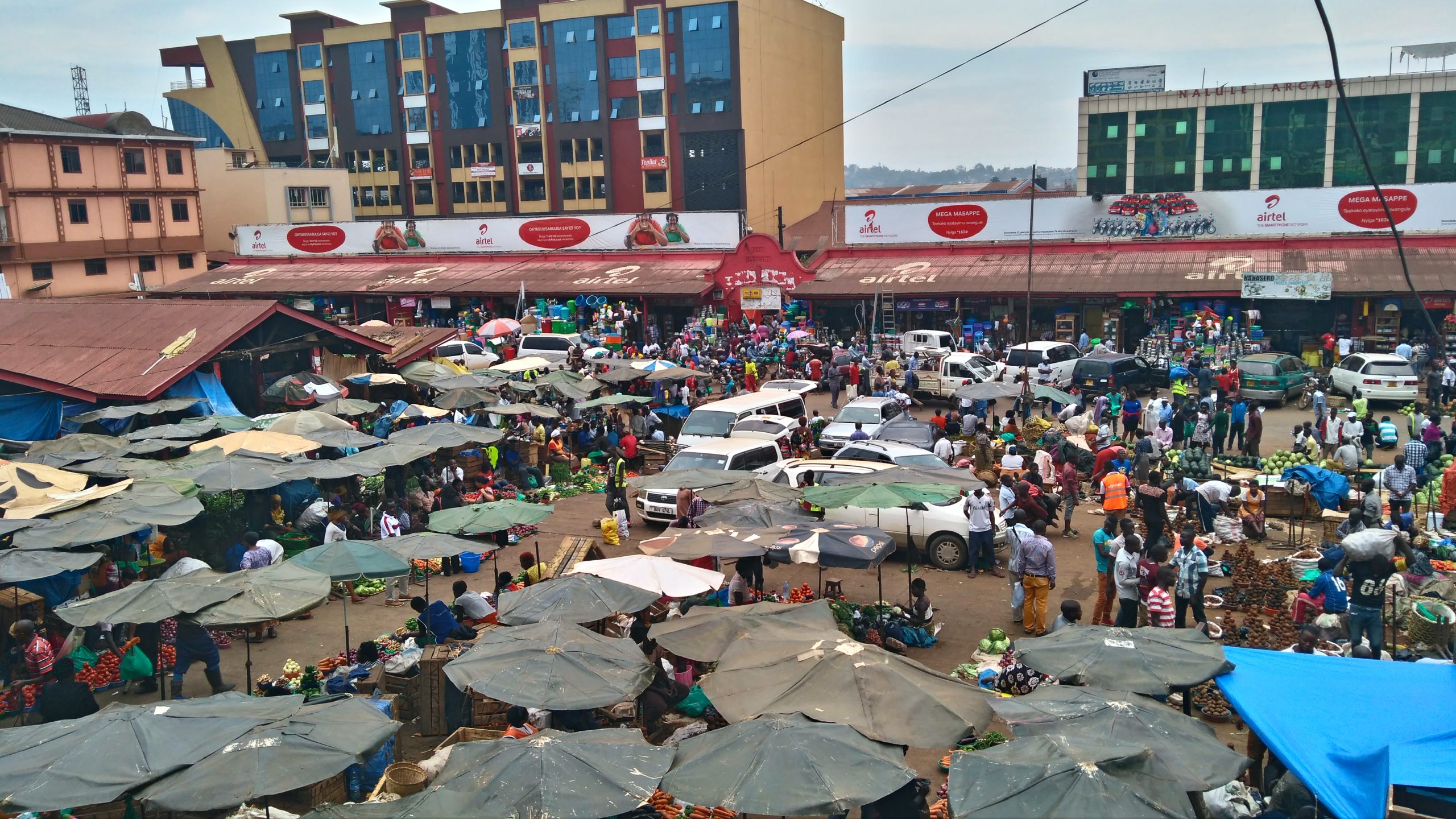
Is Uganda Safe to Travel
Is Uganda Safe to Travel
Is Uganda Safe to Travel? A Comprehensive Guide
Uganda, often referred to as the “Pearl of Africa,” is a country of breathtaking landscapes, vibrant cultures, and some of the most hospitable people on the continent. From the misty mountains of Bwindi Impenetrable Forest to the vast savannas of Queen Elizabeth National Park, Uganda offers a rich tapestry of experiences for adventurers, nature lovers, and cultural explorers alike. But one question often arises for potential visitors: Is Uganda safe to travel?
In this comprehensive guide, we will explore every aspect of safety in Uganda for travelers, including political stability, health concerns, transportation, wildlife encounters, and local customs. We’ll also provide practical tips, local insights, and up-to-date information to help you make an informed decision and enjoy a worry-free journey.
Overview of Uganda’s Safety
Uganda is generally considered a safe destination for tourists, especially those who stick to the main tourist routes and follow local advice. Like many developing countries, it has its challenges, but with proper planning and awareness, travelers can explore the country safely.
The Ugandan government has made significant strides in improving security, particularly in tourist-heavy areas like Kampala, Entebbe, and national parks. The tourism police, a specialized unit dedicated to protecting visitors, is active and visible in key locations.
However, as with any international travel, it’s essential to stay informed about current events and exercise common sense precautions.
Political and Social Stability
Uganda has enjoyed relative political stability in recent years, especially compared to some of its neighbors. President Yoweri Museveni has been in power since 1986, and while his long tenure has sparked political debate, the country has avoided large-scale unrest.
Key Points:
- Demonstrations: Political protests can occur, particularly around election periods. These are usually peaceful but can turn unpredictable. Avoid large gatherings and monitor local news.
- Security Forces: Police and military presence is common in urban areas. They are generally professional, but it’s best to remain respectful and compliant during any interactions.
- Border Regions: Areas near the borders with South Sudan and the Democratic Republic of Congo may experience instability. Travel to these regions should be approached with caution and preferably with a local guide.
For real-time updates, consult the U.S. Department of State Travel Advisory or the UK Foreign Travel Advice.
Health and Medical Safety
Uganda is located in a tropical region, which means travelers should be aware of certain health risks. However, with proper vaccinations and precautions, most health concerns can be effectively managed.
Recommended Vaccinations:
- Yellow Fever (required for entry)
- Hepatitis A and B
- Typhoid
- Tetanus
- Rabies (for extended stays or rural travel)
- Malaria prophylaxis is strongly advised
Health Tips:
- Drink only bottled or filtered water.
- Avoid street food unless it’s hot and freshly cooked.
- Use insect repellent and sleep under mosquito nets.
- Carry a basic medical kit with essentials like antidiarrheals, painkillers, and antiseptics.
Major cities like Kampala and Entebbe have reputable hospitals and clinics, such as International Hospital Kampala (IHK), which cater to international standards.
Transportation and Road Safety
Traveling within Uganda can be an adventure in itself. While infrastructure is improving, road conditions vary significantly, especially in rural areas.
Modes of Transport:
- Boda Bodas (Motorcycle Taxis): Popular but risky. Always wear a helmet and avoid them at night.
- Matatus (Minibuses): Cheap but often overcrowded and poorly maintained.
- Private Taxis and Ride-Hailing Apps: Safer and more reliable. Apps like SafeBoda and Uber operate in major cities.
- Car Hire with Driver: Ideal for safaris and long-distance travel. Ensure the vehicle is roadworthy and the driver experienced.
Road Safety Tips:
- Avoid night travel due to poor lighting and road conditions.
- Be cautious of livestock and pedestrians on rural roads.
- Use seatbelts and avoid speeding.
Wildlife and Safari Safety
Uganda is home to some of Africa’s most iconic wildlife, including mountain gorillas, chimpanzees, lions, and elephants. Visiting national parks is generally safe, especially when organized through licensed tour operators.
Top Wildlife Destinations:
Safari Safety Tips:
- Always follow your guide’s instructions.
- Keep a safe distance from animals.
- Do not feed wildlife.
- Stay inside the vehicle during game drives.
Gorilla trekking, one of Uganda’s most sought-after experiences, is tightly regulated for safety and conservation. Permits are required and groups are accompanied by armed rangers and trackers.
Cultural Etiquette and Local Laws
Understanding and respecting local customs is key to a safe and enriching experience.
Do’s:
- Greet people politely; handshakes are common.
- Dress modestly, especially in rural areas.
- Ask permission before taking photos of individuals.
Don’ts:
- Public displays of affection are frowned upon.
- Avoid political discussions, especially about the president.
- Drug use is illegal and strictly enforced.
Uganda is a conservative society. LGBTQ+ travelers should exercise discretion, as same-sex relationships are criminalized under local law. While enforcement is inconsistent, it’s important to be aware of the legal context.
Safe Travel Tips in Uganda
To ensure a smooth and secure journey, follow these expert travel tips:
- Register with your embassy upon arrival.
- Keep digital and physical copies of important documents.
- Use reputable tour operators and guides.
- Avoid isolated areas after dark.
- Stay connected with a local SIM card for navigation and emergencies.
Best Places to Visit Safely
Uganda offers a wealth of destinations that are both stunning and safe for tourists.
Urban Highlights:
- Kampala: Vibrant nightlife, cultural sites like the Kasubi Tombs, and bustling markets.
- Entebbe: Home to the international airport, botanical gardens, and Lake Victoria beaches.
Nature and Adventure:
- Jinja: The source of the Nile and a hub for white-water rafting and kayaking.
- Fort Portal: Gateway to crater lakes and chimpanzee tracking in Kibale Forest.
- Lake Bunyonyi: A serene, bilharzia-free lake ideal for swimming and canoeing.
Travel Insurance and Emergency Contacts
Travel insurance is essential when visiting Uganda. Ensure your policy covers:
- Medical evacuation
- Trip cancellations
- Theft or loss of belongings
- Adventure activities (e.g., gorilla trekking)
Emergency Contacts:
- Tourism Police: +256 772 721 718
- U.S. Embassy Kampala: +256 414 306 001
- UK High Commission: +256 312 312 000
FAQs About Traveling to Uganda
1. Is Uganda safe for solo travelers?
Yes, Uganda is generally safe for solo travelers, especially women, provided they take standard precautions such as avoiding walking alone at night and dressing modestly.
2. Is it safe to go gorilla trekking in Uganda?
Absolutely. Gorilla trekking in Bwindi and Mgahinga is highly regulated and conducted with armed rangers to ensure both visitor and animal safety.
3. Can I drive in Uganda with a foreign license?
Yes, you can drive with an international driving permit. However, due to road conditions and local driving habits, hiring a driver is often recommended.
4. What is the best time to visit Uganda?
The best time to visit is during the dry seasons: December to February and June to August, ideal for wildlife viewing and trekking.
Final Thoughts
So, is Uganda safe to travel? The answer is a resounding yes—with the right preparation. Uganda is a land of contrasts and wonders, offering unforgettable experiences to those who venture within its borders. By staying informed, respecting local customs, and taking sensible precautions, you can explore this East African gem with confidence and peace of mind.
Whether you’re trekking through misty jungles in search of gorillas, cruising the Nile, or dancing to the rhythms of Kampala, Uganda promises a journey like no other.
Ready to plan your trip? Start by exploring more about Uganda tourism and connect with certified tour operators to craft your perfect itinerary.
Safe travels, adventurer!