
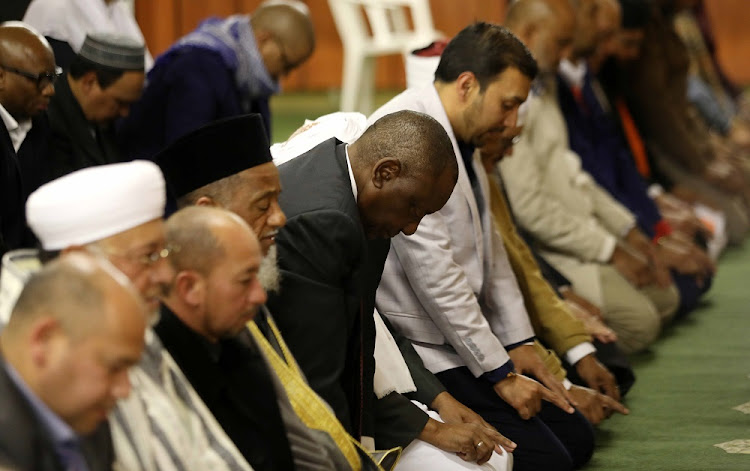
Islam in Africa
Islam in Africa
The Rich History and Influence of Islam in Africa
Introduction
Africa, the second-largest continent in the world, has a deep and intricate connection with Islam. The religion of Islam has been an integral part of African culture, politics, and society for over a millennium. From the early days of the Prophet Muhammad’s message to the spread of Islamic empires and the flourishing of scholarship, Islam has left an indelible mark on the continent. This article delves into the rich history, influence, and ongoing significance of Islam in Africa, exploring how it has shaped the continent’s identity and continues to play a vital role in its development.
The Arrival of Islam in Africa
Islam made its first entry into Africa during the lifetime of the Prophet Muhammad. In the year 615 CE, a group of Muslims fled persecution in Mecca and sought refuge in the Kingdom of Aksum, located in present-day Ethiopia. This migration, known as the First Hijra, marked the beginning of Islam’s presence on the African continent. The Christian king of Aksum, Negus Ashama ibn Abjar, granted the Muslims asylum, setting a precedent for peaceful coexistence between Muslims and Christians in Africa.
However, it wasn’t until the 7th century, following the death of the Prophet Muhammad, that Islam began to spread more widely across North Africa. Arab Muslim armies, driven by a combination of religious zeal and political ambition, conquered vast territories, including Egypt in 641 CE. This marked the beginning of the Islamization of North Africa, which would eventually extend to sub-Saharan Africa.
The Spread of Islam Across Africa
North Africa: The Gateway to the Continent
North Africa was the first region to experience the widespread adoption of Islam. The Arab-Muslim conquests of the 7th and 8th centuries brought Islam to countries like Libya, Tunisia, Algeria, and Morocco. These regions became part of the Umayyad Caliphate, and later the Abbasid Caliphate, which facilitated the spread of Islamic culture, language, and governance.
The Berbers, indigenous people of North Africa, played a crucial role in the spread of Islam. Initially resistant to Arab rule, many Berber tribes eventually embraced Islam and became instrumental in the expansion of Islamic influence into sub-Saharan Africa. The Berber-led Almoravid dynasty and the later Almohad dynasty were key players in the Islamization of the Maghreb and the Iberian Peninsula.
West Africa: The Rise of Islamic Kingdoms
West Africa’s introduction to Islam came through trade rather than conquest. The Trans-Saharan trade routes were vital in connecting the Islamic world with the kingdoms of West Africa. Muslim traders from North Africa brought not only goods like salt, gold, and textiles but also the teachings of Islam.
By the 11th century, Islam had taken root in the powerful West African empires of Ghana, Mali, and Songhai. The rulers of these empires, such as Mansa Musa of Mali, embraced Islam and used it as a unifying force to consolidate power and foster diplomatic relations with the broader Islamic world. Mansa Musa’s famous pilgrimage to Mecca in 1324 showcased the wealth and Islamic devotion of the Mali Empire, further cementing Islam’s influence in the region.
East Africa: A Blend of Cultures
Islam’s spread to East Africa followed a different path, largely driven by maritime trade along the Indian Ocean. Muslim traders from the Arabian Peninsula and the Persian Gulf established trading posts along the East African coast, leading to the rise of the Swahili culture. The Swahili city-states, such as Kilwa, Mombasa, and Zanzibar, became important centers of Islamic learning and commerce.
In East Africa, Islam blended with local customs and traditions, creating a unique cultural synthesis. The Swahili language, for example, is a Bantu language heavily influenced by Arabic. The spread of Islam in this region was largely peaceful, with Muslim traders and scholars playing a key role in its dissemination.
The Role of Islamic Scholarship in Africa
One of the most significant contributions of Islam to Africa is its impact on education and scholarship. Islamic learning centers, such as the University of Al-Qarawiyyin in Morocco and the University of Timbuktu in Mali, became renowned centers of knowledge in the medieval world. Scholars from across the Islamic world traveled to these institutions to study subjects ranging from theology and law to astronomy and medicine.
The city of Timbuktu, in particular, became synonymous with Islamic scholarship. During the 15th and 16th centuries, it was home to thousands of manuscripts on various subjects, many of which are still being preserved today. Timbuktu’s libraries and madrasas attracted scholars from as far away as the Middle East and Europe, making it a hub of intellectual exchange.
The Influence of Sufism in Africa
Sufism, the mystical branch of Islam, has had a profound impact on African Islam. Sufi orders, known as tariqas, played a crucial role in the spread of Islam across sub-Saharan Africa. These orders emphasized personal piety, spiritual devotion, and communal solidarity, making Islam accessible to a wide range of people, including those in rural areas.
Some of the most influential Sufi orders in Africa include the Qadiriyya, Tijaniyya, and Sanusiyya. These orders established networks of religious leaders and scholars who helped spread Islamic teachings and practices across the continent. Sufi saints, or walis, became revered figures in many African communities, and their tombs are still sites of pilgrimage today.
Islam and African Politics
Throughout history, Islam has played a significant role in African politics. Many African rulers adopted Islam as a way to legitimize their authority and strengthen their ties with the broader Muslim world. In some cases, Islamic law, or Sharia, was incorporated into the legal systems of African states.
In the 19th and 20th centuries, Islam also became a rallying point for resistance against European colonialism. Leaders like Usman dan Fodio in Nigeria and Omar Mukhtar in Libya used Islamic principles to mobilize their followers in the fight against colonial rule. In the post-colonial era, Islam continues to influence political movements and governance in many African countries.
The Contemporary Role of Islam in Africa
Today, Islam remains a major force in Africa, with over 40% of the continent’s population identifying as Muslim. The religion continues to shape the cultural, social, and political landscape of many African countries. In North Africa, Islam is the dominant religion, while in sub-Saharan Africa, it coexists with Christianity and indigenous beliefs.
Islamic organizations, such as the Organization of Islamic Cooperation (OIC), play an important role in fostering cooperation between African Muslim-majority countries and the broader Muslim world. Additionally, Islamic charities and development organizations are active across the continent, providing humanitarian aid and promoting education and healthcare.
Challenges and Opportunities for Islam in Africa
While Islam has a long and rich history in Africa, it also faces challenges in the modern era. Issues such as religious extremism, political instability, and interfaith tensions have affected some Muslim-majority regions. Groups like Boko Haram in Nigeria and Al-Shabaab in Somalia have used Islam as a justification for violence, leading to widespread suffering and displacement.
However, there are also many opportunities for Islam to contribute to Africa’s development. Islamic education, social justice, and charitable work are areas where the religion can play a positive role in addressing the continent’s challenges. Many African Muslims are working to promote peace, tolerance, and development in their communities, drawing on the rich traditions of Islamic scholarship and spirituality.
Conclusion
Islam’s influence in Africa is undeniable. From its early arrival in the 7th century to its role in shaping African empires, scholarship, and politics, Islam has been a driving force in the continent’s history. Today, it continues to play a vital role in the lives of millions of Africans, offering both challenges and opportunities for the future. As Africa continues to evolve, Islam will undoubtedly remain a key part of its cultural and religious landscape.
FAQ
1. How did Islam first arrive in Africa?
Islam first arrived in Africa during the lifetime of the Prophet Muhammad when a group of Muslims sought refuge in the Kingdom of Aksum (modern-day Ethiopia) in 615 CE. This event is known as the First Hijra.
2. What role did trade play in the spread of Islam in Africa?
Trade, particularly along the Trans-Saharan trade routes and the Indian Ocean, was crucial in spreading Islam to West and East Africa. Muslim traders brought not only goods but also Islamic teachings to African kingdoms and coastal cities.
3. What is the significance of Timbuktu in Islamic history?
Timbuktu was a major center of Islamic scholarship in the 15th and 16th centuries. It housed thousands of manuscripts and attracted scholars from across the Islamic world, making it a hub of intellectual and cultural exchange.
4. How has Sufism influenced Islam in Africa?
Sufism, the mystical branch of Islam, has had a profound influence on African Islam. Sufi orders, or tariqas, helped spread Islam across sub-Saharan Africa by emphasizing personal piety, spiritual devotion, and communal solidarity.
5. What challenges does Islam face in contemporary Africa?
Islam in Africa faces challenges such as religious extremism, political instability, and interfaith tensions. However, there are also opportunities for Islam to contribute positively to Africa’s development through education, social justice, and charitable work.