
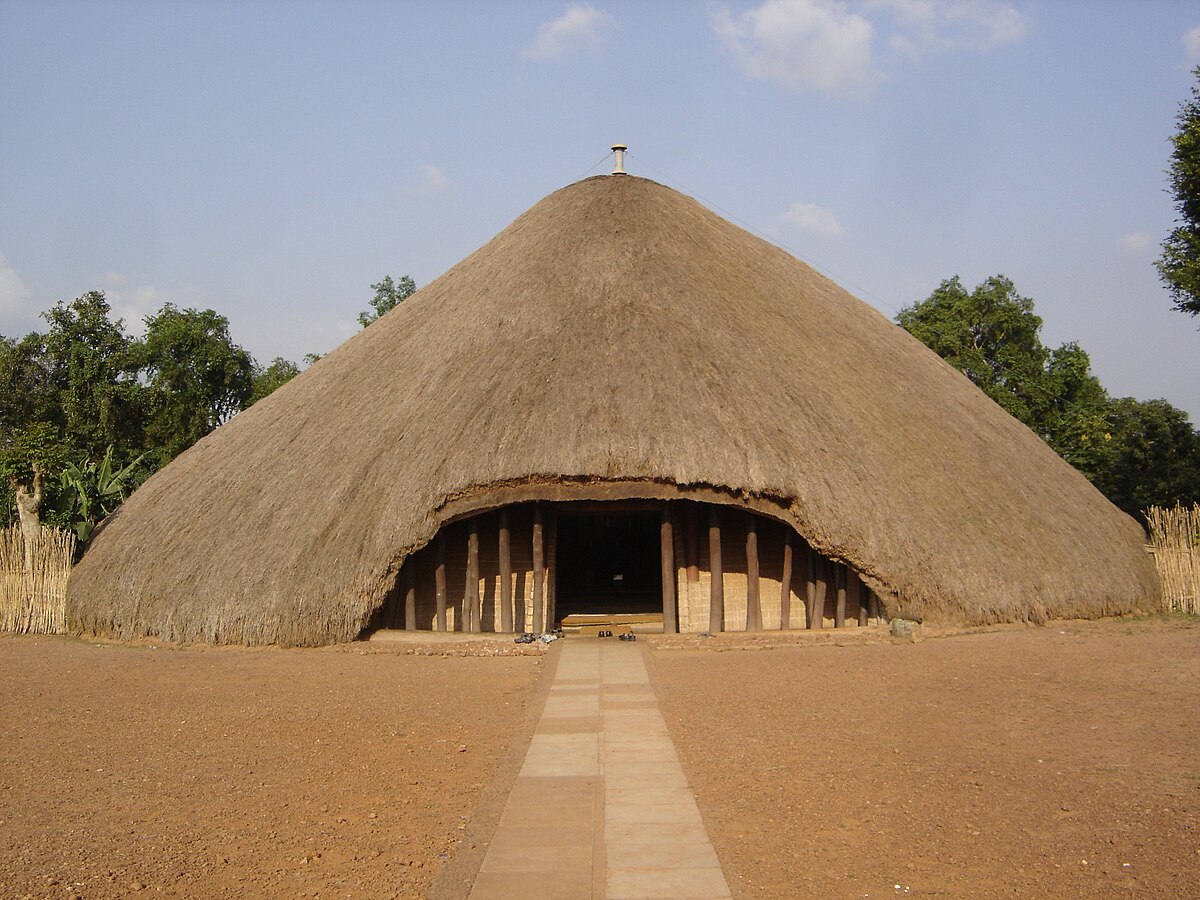
Kasubi Tombs
Kasubi Tombs
Kasubi Tombs: A UNESCO World Heritage Site and Cultural Treasure of Uganda
Introduction
Nestled in the heart of Kampala, Uganda, the Kasubi Tombs stand as a monumental testament to the rich cultural heritage of the Buganda Kingdom. Recognized as a UNESCO World Heritage Site, this sacred burial ground is more than just a historical landmark—it is a living cultural site that continues to play a central role in the spiritual and political life of the Baganda people.
In this comprehensive guide, we delve into the historical significance, architectural brilliance, cultural symbolism, and ongoing restoration efforts of the Kasubi Tombs. Whether you’re a cultural enthusiast, a history buff, or a traveler seeking authentic African experiences, this article will provide you with everything you need to know about this iconic site.
Historical Background of the Kasubi Tombs
The Kasubi Tombs were originally built in 1882 as a palace for Kabaka Muteesa I, the 35th king of Buganda. Upon his death in 1884, the palace was converted into a royal burial ground, marking the beginning of its spiritual significance.
The Royal Lineage
Four Buganda kings—Muteesa I, Mwanga II, Daudi Chwa II, and Muteesa II—are buried at Kasubi. These monarchs played pivotal roles in shaping the history of Uganda, particularly during the colonial and post-colonial periods.
- Muteesa I: Known for opening Buganda to foreign influences, including Christianity and Islam.
- Mwanga II: Famously resisted British colonial rule and was exiled to the Seychelles.
- Daudi Chwa II: Ruled during the early 20th century under British colonial administration.
- Muteesa II: The first President of independent Uganda and a symbol of Buganda nationalism.
Architectural Significance
The Kasubi Tombs are a masterpiece of traditional Ganda architecture, constructed primarily from organic materials such as wood, thatch, reeds, and earth. The central structure, known as the Muzibu Azaala Mpanga, is the main tomb house and is considered one of the largest grass-thatched buildings in the world.
Key Architectural Features:
- Thatched Dome: Symbolizing the womb, it represents the continuity of life and the sacredness of the kings buried within.
- Wooden Poles (Olusubi): Intricately carved with traditional motifs, these support the massive dome.
- Bark Cloth (Lubugo): Used to wrap the tombs, this cloth is made from the fig tree and holds spiritual significance.
This architectural marvel is not only a symbol of Buganda’s cultural identity but also a rare example of indigenous African architecture that has withstood the test of time.
Cultural and Spiritual Importance
The Kasubi Tombs are more than just burial sites—they are a spiritual center for the Baganda people. The site is maintained by the royal family and a group of specially trained custodians known as the Nnalinya (female spiritual guardians) and Katikkiro (prime minister of Buganda).
Cultural Practices
- Rituals and Ceremonies: Regular rituals are performed to honor the spirits of the kings.
- Pilgrimage Site: Many Baganda make pilgrimages to the tombs to seek blessings and guidance.
- Oral Traditions: The site is a repository of oral history, passed down through generations.
The 2010 Fire and Restoration Efforts
In March 2010, a devastating fire engulfed the Muzibu Azaala Mpanga, destroying much of the main structure. The incident was a national tragedy, sparking protests and widespread mourning.
Restoration Initiatives
Thanks to collaborative efforts between the Buganda Kingdom, the Ugandan government, UNESCO, and international donors, the restoration of the Kasubi Tombs is well underway.
- Traditional Techniques: Restoration is being carried out using traditional materials and methods to preserve authenticity.
- International Support: UNESCO has provided technical and financial assistance.
- Community Involvement: Local artisans and community members are actively involved in the rebuilding process.
For more insights into cultural restoration projects in Uganda, visit Turkana Wildlife Safaris.
Visiting the Kasubi Tombs
A visit to the Kasubi Tombs offers a unique opportunity to immerse yourself in Uganda’s royal heritage. The site is open to the public and offers guided tours that provide deep insights into Buganda’s history and traditions.
What to Expect:
- Guided Tours: Led by knowledgeable guides who explain the historical and cultural context.
- Cultural Performances: Traditional music and dance performances are occasionally held.
- Craft Markets: Local artisans sell handmade crafts, bark cloth, and souvenirs.
For a full cultural itinerary including the Kasubi Tombs, check out Uganda Cultural Tours offered by Turkana Wildlife Safaris.
How to Get There
The Kasubi Tombs are located approximately 5 kilometers from the center of Kampala. The site is easily accessible by taxi, boda-boda (motorcycle taxi), or private car.
Travel Tips:
- Best Time to Visit: Early mornings or late afternoons to avoid the midday heat.
- Dress Code: Modest clothing is recommended out of respect for the sacred site.
- Photography: Allowed in certain areas, but always ask for permission.
For guided transport and cultural experiences, consider booking through Turkana Wildlife Safaris.
The Role of the Kasubi Tombs in Modern Uganda
In contemporary Uganda, the Kasubi Tombs continue to serve as a symbol of unity, identity, and resilience. They represent the enduring legacy of the Buganda Kingdom and its influence on Uganda’s national narrative.
Political and Social Influence:
- Cultural Diplomacy: The site fosters cultural exchange and understanding.
- Educational Resource: Used by schools and universities for teaching African history and architecture.
- Tourism Revenue: A major attraction that contributes to Uganda’s cultural tourism sector.
Explore more about Uganda’s cultural heritage on Turkana Wildlife Safaris.
Conservation Challenges and Future Prospects
Despite its cultural significance, the Kasubi Tombs face several challenges:
Key Issues:
- Urban Encroachment: Rapid urbanization in Kampala threatens the integrity of the site.
- Climate Change: Increased rainfall and humidity can damage traditional materials.
- Funding Gaps: Sustained financial support is needed for ongoing maintenance.
Future Plans:
- Digital Archiving: Efforts are underway to digitally preserve oral histories and architectural designs.
- Youth Engagement: Programs are being developed to involve young people in cultural preservation.
- International Collaboration: Continued partnerships with global heritage organizations.
Frequently Asked Questions (FAQ)
1. What is the significance of the Kasubi Tombs?
The Kasubi Tombs are the burial site of four Buganda kings and a spiritual center for the Baganda people. They are a UNESCO World Heritage Site and a symbol of Uganda’s rich cultural heritage. Learn more from UNESCO.
2. Can tourists visit the Kasubi Tombs?
Yes, the site is open to the public and offers guided tours. For a culturally immersive experience, consider booking with Turkana Wildlife Safaris.
3. What materials are used in the construction of the tombs?
The tombs are constructed using traditional materials such as thatch, wood, reeds, and bark cloth. These materials are symbolic and environmentally sustainable.
4. How is the site being preserved?
Restoration efforts are led by the Buganda Kingdom with support from UNESCO and local communities. Traditional construction techniques are being used to maintain authenticity.
5. What other cultural sites can I visit in Uganda?
Uganda is home to numerous cultural sites including the Ndere Cultural Centre, Igongo Cultural Centre, and the Royal Mile in Budongo Forest.
Conclusion
The Kasubi Tombs are not just a historical site—they are a living, breathing embodiment of Uganda’s cultural soul. From their architectural grandeur to their spiritual depth, the tombs offer a profound insight into the traditions and resilience of the Buganda Kingdom.
As Uganda continues to modernize, preserving such cultural landmarks becomes ever more crucial. Whether you’re a traveler, historian, or cultural enthusiast, a visit to the Kasubi Tombs is a journey through time, heritage, and identity.
For more information on cultural tours and heritage safaris in Uganda, visit Turkana Wildlife Safaris.