
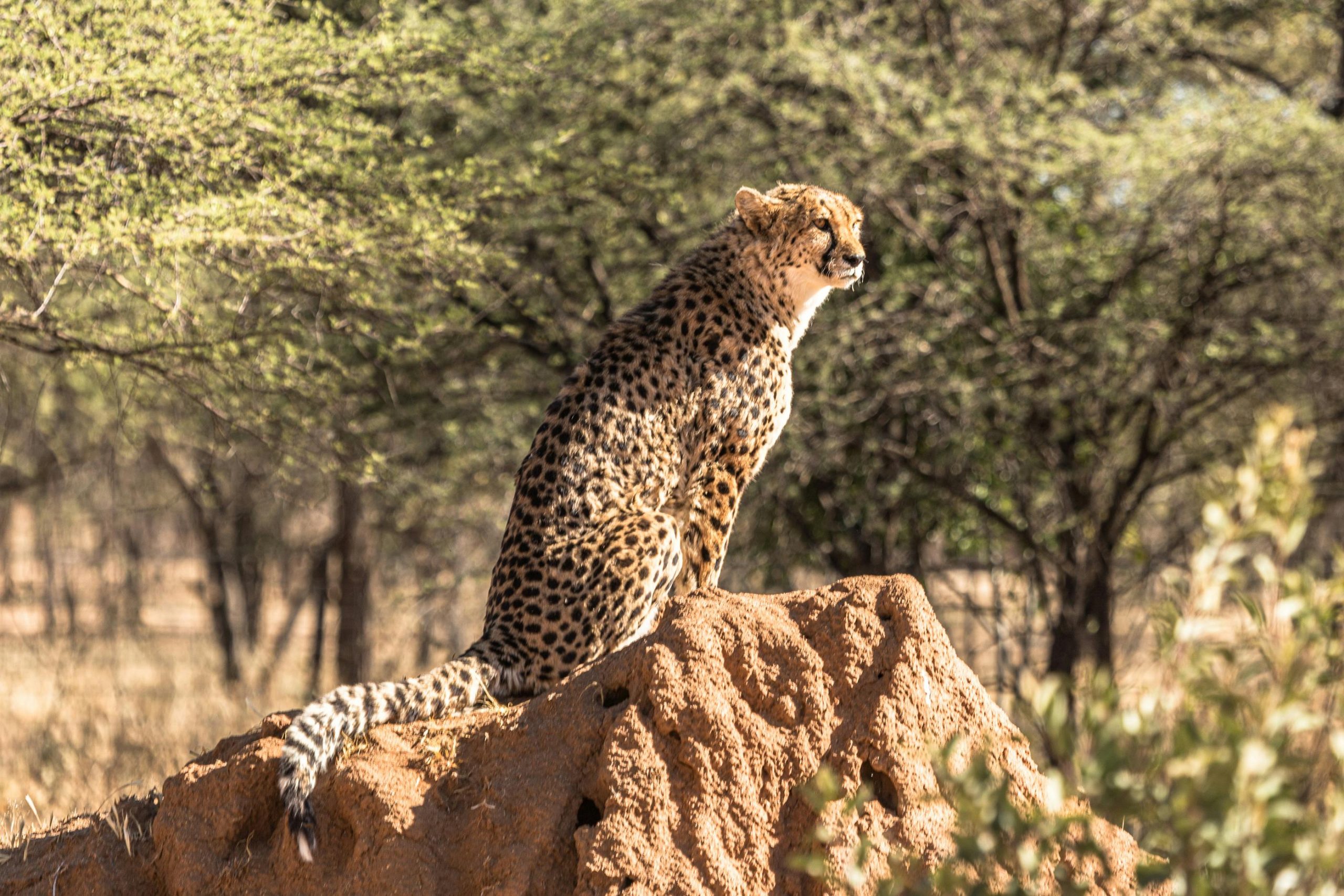
Kenya Game Reserves
Kenya Game Reserves
Discovering the Wonders of Kenya Game Reserves: A Safari into Africa’s Untamed Heart
Introduction
Kenya, a land of breathtaking landscapes and abundant wildlife, is home to some of the most iconic game reserves on the African continent. These protected areas offer a unique blend of biodiversity, cultural richness, and unforgettable safari experiences. From the vast savannahs of the Maasai Mara to the arid beauty of Samburu National Reserve, Kenya’s game reserves are a magnet for adventurers, wildlife enthusiasts, and conservationists alike.
In this comprehensive guide, we delve deep into the heart of Kenya’s game reserves, exploring their ecological significance, the best times to visit, the wildlife you can expect to encounter, and how to plan the ultimate safari adventure.
The Importance of Kenya’s Game Reserves
Kenya’s game reserves play a pivotal role in the conservation of wildlife and natural habitats. They serve as sanctuaries for endangered species and are vital for ecological balance. These reserves are not just tourist attractions—they are living ecosystems that support thousands of flora and fauna species.
Key Roles of Game Reserves:
- Wildlife Conservation: Protecting endangered species like the black rhino and Grevy’s zebra.
- Ecotourism: Generating revenue that supports local communities and conservation efforts.
- Cultural Preservation: Offering a glimpse into the traditional lifestyles of indigenous tribes like the Maasai and Samburu.
- Scientific Research: Providing a natural laboratory for ecological and biological studies.
Top Game Reserves in Kenya
1. Maasai Mara National Reserve
Arguably the crown jewel of Kenya’s game reserves, the Maasai Mara is world-renowned for the Great Migration, where over two million wildebeest, zebras, and gazelles traverse the Mara River in search of greener pastures.
Highlights:
- The Big Five: Lion, Leopard, Elephant, Buffalo, and Rhino
- Hot air balloon safaris
- Cultural tours with the Maasai people
- Prime location for wildlife photography
2. Samburu National Reserve
Located in northern Kenya, Samburu offers a stark contrast to the lush plains of the south. Its semi-arid landscape is home to unique species not found elsewhere in Kenya.
Unique Wildlife:
- Grevy’s Zebra
- Somali Ostrich
- Reticulated Giraffe
- Gerenuk (Giraffe Antelope)
3. Amboseli National Park
Set against the backdrop of Mount Kilimanjaro, Amboseli is famous for its large elephant herds and stunning vistas.
Key Attractions:
- Observation Hill for panoramic views
- Swamps fed by underground rivers from Kilimanjaro
- Birdwatching with over 400 species recorded
4. Tsavo East and Tsavo West National Parks
Together forming one of the largest national parks in the world, Tsavo is a haven for those seeking a more rugged and less crowded safari.
Notable Features:
- The red elephants of Tsavo
- Mzima Springs
- Lava flows and volcanic craters
- The Yatta Plateau – the world’s longest lava flow
5. Lake Nakuru National Park
Famous for its flamingo population and rhino sanctuary, Lake Nakuru offers a compact yet diverse safari experience.
Wildlife Highlights:
- White and black rhinos
- Rothschild’s giraffe
- Leopards and lions
- Thousands of flamingos lining the lake’s edge
Best Time to Visit Kenya’s Game Reserves
Kenya’s climate varies by region, but generally, the best time to visit is during the dry seasons when wildlife is easier to spot.
Optimal Safari Seasons:
- June to October: Dry season, ideal for game viewing
- July to September: Great Migration in the Maasai Mara
- December to February: Short dry season, excellent for birdwatching
Safari Experiences in Kenya
Types of Safaris:
- Game Drives: Morning and evening drives in 4×4 vehicles
- Walking Safaris: Guided treks through the bush
- Balloon Safaris: Aerial views of the savannah
- Night Safaris: Nocturnal wildlife encounters
Accommodation Options:
- Luxury lodges with panoramic views
- Tented camps for a blend of comfort and wilderness
- Budget campsites for the adventurous traveler
Wildlife You Can Encounter
Kenya’s game reserves are teeming with wildlife, offering some of the most diverse sightings in Africa.
Mammals:
- African Elephant
- Lion
- Leopard
- Cheetah
- Buffalo
- Hyena
- Giraffe
- Hippo
Birds:
- Lilac-breasted roller (Kenya’s national bird)
- African fish eagle
- Secretary bird
- Flamingos
- Ostrich
Reptiles and Amphibians:
- Nile crocodile
- Monitor lizards
- Chameleons
- Tree frogs
Conservation Efforts and Challenges
While Kenya’s game reserves are a beacon of conservation, they face numerous challenges including poaching, human-wildlife conflict, and climate change.
Key Conservation Initiatives:
- Community-Based Conservation: Involving local tribes in wildlife protection
- Anti-Poaching Units: Equipped with modern surveillance and enforcement tools
- Wildlife Corridors: Ensuring safe migration routes
- Eco-Tourism Projects: Sustainable tourism that benefits both nature and people
Planning Your Safari
Essential Tips:
- Book in advance during peak seasons
- Choose certified tour operators
- Get vaccinated (Yellow Fever, Malaria prophylaxis)
- Pack light but include essentials like binoculars, sunscreen, and insect repellent
Travel Requirements:
- Valid passport
- Kenyan visa (available online)
- Travel insurance
- COVID-19 guidelines (subject to change)
Cultural Encounters
Beyond wildlife, Kenya’s game reserves offer a chance to interact with indigenous communities.
Cultural Highlights:
- Visit a Maasai village
- Learn traditional dances and songs
- Explore local crafts and beadwork
- Participate in storytelling sessions
Sustainable Tourism in Kenya
Tourism can be a double-edged sword. While it brings revenue, it can also strain natural resources. Sustainable practices are essential.
How to Travel Responsibly:
- Choose eco-friendly lodges
- Avoid single-use plastics
- Respect wildlife and local customs
- Support local businesses and guides
Frequently Asked Questions (FAQ)
1. What is the difference between a game reserve and a national park in Kenya?
A game reserve often allows more flexible safari activities, including night drives and walking safaris, and may be managed by local communities. National parks are typically more regulated and managed by the Kenya Wildlife Service.
2. Is it safe to go on a safari in Kenya?
Yes, Kenya is generally safe for tourists, especially in designated safari areas. Always follow the guidance of your tour operator and local authorities.
3. What animals can I expect to see in the Maasai Mara?
The Maasai Mara is home to the Big Five—lion, leopard, elephant, buffalo, and rhino—as well as cheetahs, hyenas, wildebeest, zebras, and numerous bird species.
4. When is the Great Migration in Kenya?
The Great Migration typically occurs between July and September, when millions of wildebeest and zebras cross into the Maasai Mara from Tanzania’s Serengeti.
5. How can I contribute to wildlife conservation during my visit?
You can support conservation by staying in eco-lodges, donating to reputable wildlife organizations, avoiding unethical animal interactions, and spreading awareness about responsible tourism.
Conclusion
Kenya’s game reserves are more than just travel destinations—they are living, breathing ecosystems that offer a profound connection to nature. Whether you’re witnessing the thunderous hooves of the Great Migration or locking eyes with a lion on the prowl, every moment in these wild sanctuaries is a memory etched in time.
By choosing to explore Kenya’s game reserves responsibly, you not only embark on an unforgettable journey but also contribute to the preservation of Africa’s natural heritage for generations to come.