
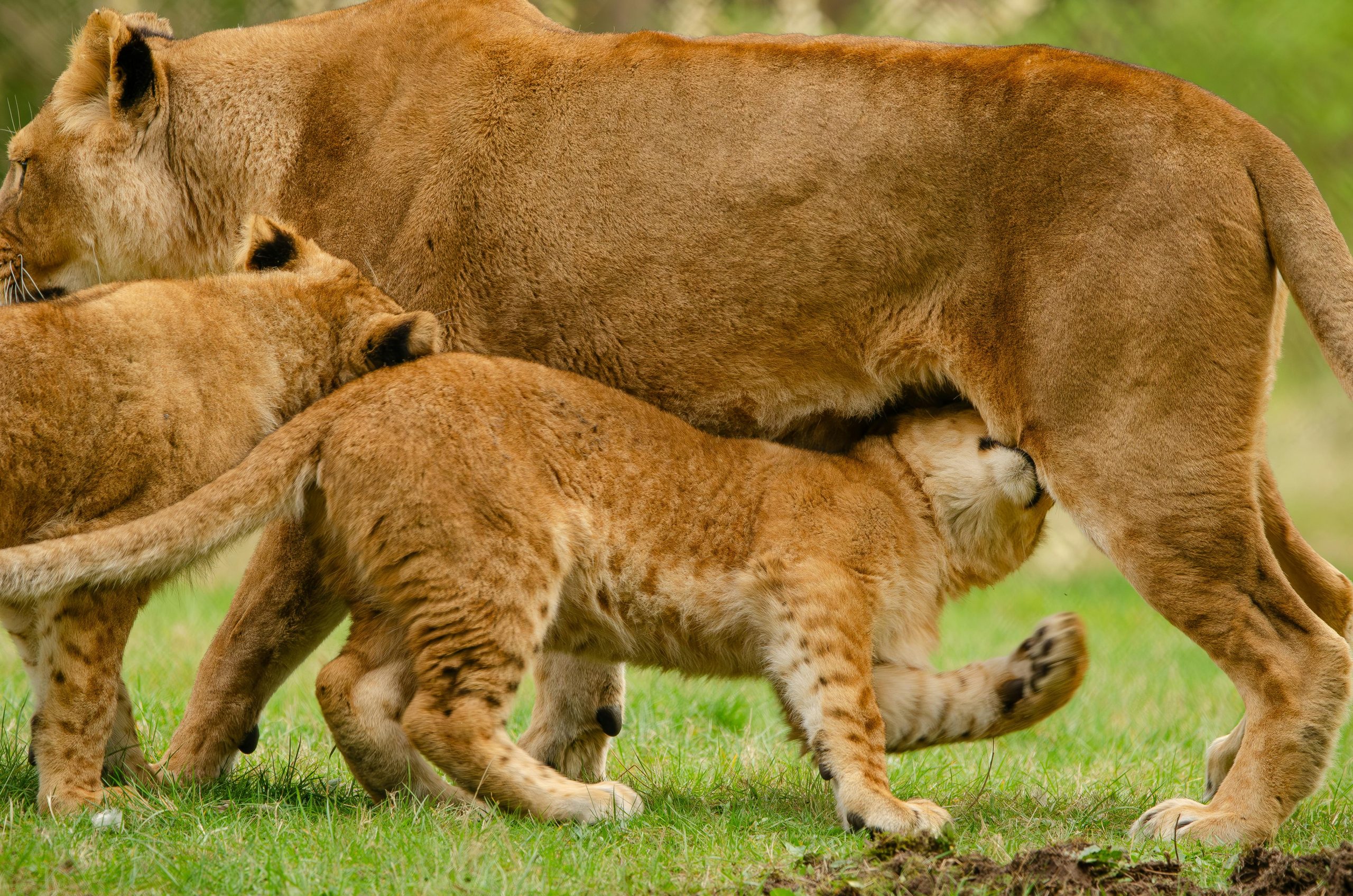
Kenya Safaris
Kenya Safaris
Ultimate Guide to Kenya Safaris: Discover Africa’s Untamed Wilderness
Kenya, the jewel of East Africa, is a land of breathtaking landscapes, rich cultures, and unparalleled wildlife experiences. From the iconic Maasai Mara to the remote beauty of Lake Turkana, Kenya safaris offer a once-in-a-lifetime opportunity to witness nature in its most raw and majestic form. Whether you’re a seasoned traveler or a first-time adventurer, this comprehensive guide will walk you through everything you need to know about planning the perfect safari in Kenya.
Why Choose Kenya for Your Safari
Kenya is widely regarded as the birthplace of the safari. The word “safari” itself is derived from the Swahili word for “journey,” and Kenya truly lives up to that promise. With over 50 national parks and reserves, the country offers a diverse range of ecosystems, from savannahs and forests to deserts and alpine highlands.
Key Reasons to Choose Kenya:
- Home to the Big Five: lion, leopard, elephant, buffalo, and rhino
- The Great Migration in the Maasai Mara
- Rich cultural heritage with over 40 ethnic groups
- Diverse landscapes from Mount Kenya to the Great Rift Valley
- Well-developed tourism infrastructure
Top Safari Destinations in Kenya
Kenya is a mosaic of ecological wonders. Each region offers a unique safari experience, whether you’re looking for luxury, adventure, or cultural immersion.
1. Maasai Mara National Reserve
Perhaps the most famous of all, the Maasai Mara is renowned for its dense population of big cats and the annual Great Migration, where millions of wildebeest and zebras cross the Mara River.
2. Amboseli National Park
Set against the backdrop of Mount Kilimanjaro, Amboseli is known for its large herds of elephants and stunning photographic opportunities.
3. Samburu National Reserve
Located in northern Kenya, Samburu offers a more rugged and remote safari experience. Here, you’ll find unique species like the Grevy’s zebra and the reticulated giraffe.
4. Lake Turkana
Often called the “Jade Sea,” Lake Turkana is a UNESCO World Heritage Site. It’s a haven for bird watchers and those interested in anthropology and prehistoric sites.
5. Tsavo National Parks
Split into Tsavo East and Tsavo West, this is one of the largest wildlife sanctuaries in the world, offering dramatic landscapes and fewer crowds.
Types of Kenya Safaris
Kenya caters to all types of travelers, from luxury seekers to budget backpackers. Here are the most popular safari styles:
• Guided Game Drives
The classic safari experience, typically in a 4×4 vehicle with a professional guide.
• Walking Safaris
For those who want a more intimate experience with nature, walking safaris are guided treks through the bush.
• Fly-in Safaris
Perfect for those short on time, fly-in safaris take you directly to remote lodges and camps via small aircraft.
• Cultural Safaris
Combine wildlife viewing with visits to local communities like the Maasai or Turkana tribes.
• Photographic Safaris
Tailored for photography enthusiasts, these safaris are led by expert wildlife photographers.
Best Time to Visit Kenya
Kenya is a year-round destination, but the timing of your visit can greatly enhance your experience.
Dry Season (June to October)
- Best for wildlife viewing
- Great Migration in the Maasai Mara
- Clear skies and minimal rain
Wet Season (November to May)
- Lush landscapes and fewer tourists
- Ideal for bird watching
- Calving season for many animals
Wildlife You Can Expect to See
Kenya is a biodiversity hotspot. From the Big Five to rare and endemic species, the country offers exceptional wildlife viewing.
Commonly Sighted Animals:
- Lions, leopards, cheetahs
- African elephants and Cape buffalo
- Black and white rhinos
- Giraffes, zebras, wildebeests
- Hippos and crocodiles
- Over 1,000 bird species including flamingos and eagles
For a detailed list of species and where to find them, visit Turkana Wildlife Safaris’ wildlife guide.
Cultural Experiences on Safari
A Kenya safari is not just about animals; it’s also a deep dive into the country’s rich cultural tapestry.
Must-Experience Cultural Highlights:
- Visit a traditional Maasai village
- Explore Turkana culture and ancient rock art in the north
- Attend local festivals and markets
- Learn traditional dances and crafts
These cultural interactions are often included in custom safari packages.
How to Choose the Right Safari Operator
Choosing the right tour operator can make or break your safari experience.
Key Factors to Consider:
- Local expertise and certified guides
- Customizable itineraries
- Sustainable and eco-friendly practices
- Transparent pricing
- Positive customer reviews
We recommend Turkana Wildlife Safaris for their deep local knowledge, personalized service, and commitment to conservation.
Travel Tips for a Seamless Safari Experience
What to Pack:
- Neutral-colored clothing
- Binoculars and camera gear
- Sunscreen and insect repellent
- Reusable water bottle
- Travel documents and insurance
Health & Safety:
- Vaccinations (yellow fever, typhoid, etc.)
- Malaria prophylaxis
- Avoid drinking tap water
- Follow your guide’s instructions at all times
Money & Connectivity:
- Carry some Kenyan Shillings for tips and small purchases
- Most lodges accept credit cards
- Wi-Fi is available in many camps, but expect limited connectivity in remote areas
FAQs About Kenya Safaris
1. Is Kenya safe for tourists?
Yes, Kenya is generally safe for tourists, especially in national parks and reserves. Always travel with a reputable operator like Turkana Wildlife Safaris.
2. How much does a Kenya safari cost?
Prices vary widely depending on the type of safari. Budget safaris start at $150/day, while luxury options can exceed $1,000/day. Check out custom safari packages for tailored pricing.
3. Do I need a visa to enter Kenya?
Most travelers require a visa, which can be obtained online via the eVisa portal.
4. What is the best time to see the Great Migration?
The Great Migration typically occurs between July and October in the Maasai Mara.
5. Can I combine a safari with a beach holiday?
Absolutely! Many travelers end their safari with a relaxing stay on the Kenyan coast, including Diani Beach and Lamu Island.
Conclusion
A safari in Kenya is more than just a vacation—it’s a transformative journey into the heart of Africa. From the thunder of hooves during the Great Migration to the quiet dignity of a lone elephant at dawn, Kenya offers experiences that etch themselves into your soul. With trusted operators like Turkana Wildlife Safaris, your adventure is not only unforgettable but also responsible and enriching.
Whether you’re drawn by the call of the wild, the allure of ancient cultures, or the serenity of the savannah, Kenya is ready to welcome you.
Ready to Plan Your Safari?
Explore Turkana Wildlife Safaris for expertly curated safari packages, cultural experiences, and insider tips to make your African dream a reality.