
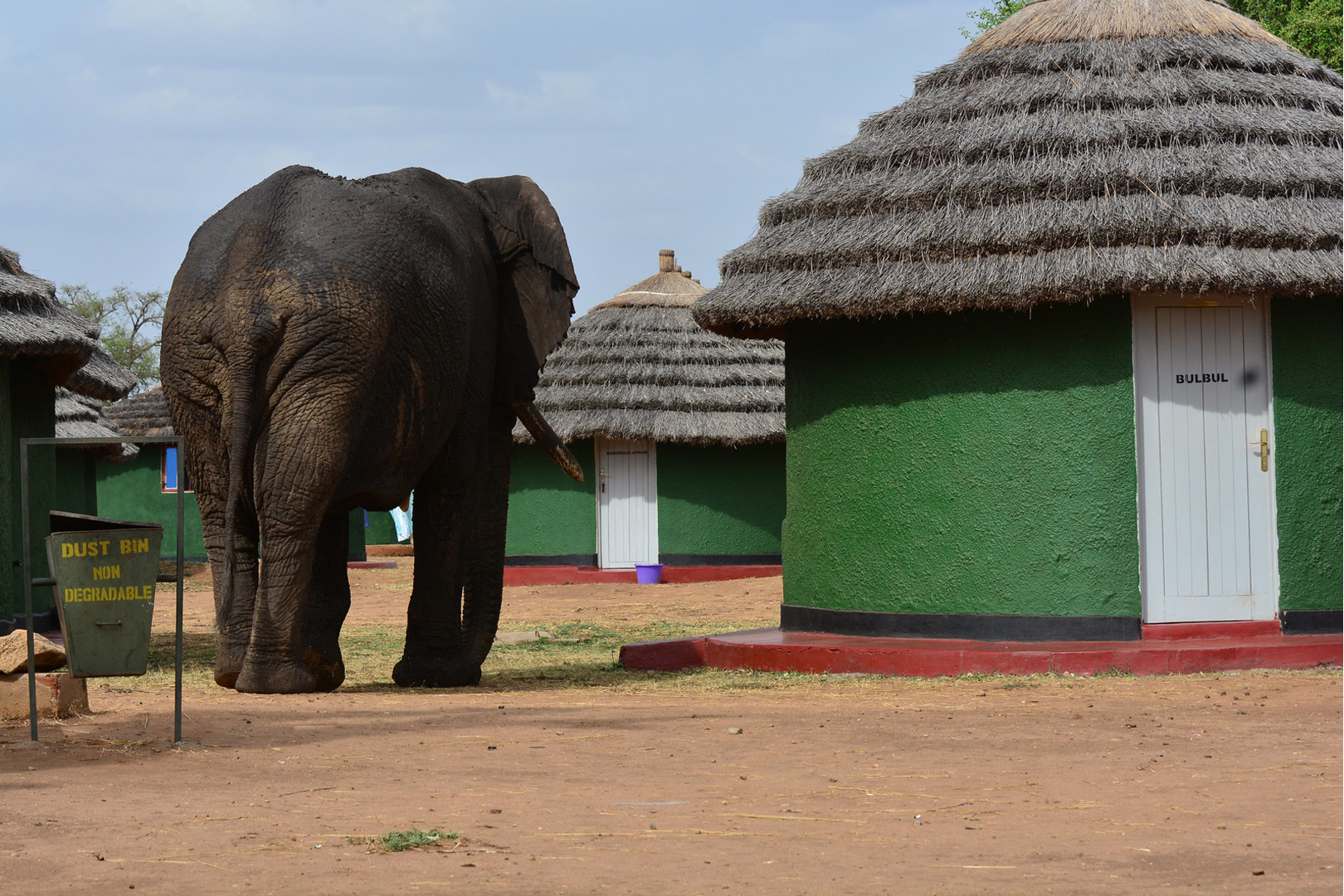
Kidepo Accommodation Guide
Kidepo Accommodation Guide
Kidepo Accommodation Guide: Where to Stay for an Unforgettable Safari in Uganda’s Wild North.
Kidepo Valley National Park is Uganda’s most remote and arguably most dramatic safari destination. Tucked into the rugged far northeast, it rewards travelers with vast savannah panoramas, big-game sightings, and an atmosphere that feels truly untamed. But because of its location, choosing the right place to stay matters more here than almost anywhere else in the country: your lodge can affect game-drive timing, comfort levels, access to the best tracks, and even what you see.
This Kidepo accommodation guide breaks down where to stay in and around the park by style, budget, and experience so you can plan with confidence. I’ve also included curated references to Turkana Wildlife Safaris for trip planning and safari logistics.
Why Your Accommodation Choice in Kidepo Matters
Unlike more central parks, Kidepo’s distances are real: travel times between airstrips, park gates, and key game-viewing areas can shape your itinerary. The right base helps you:
- Start game drives earlier (especially for predators)
- Reduce long transfers on rough roads
- Enjoy better views and cooler evening breezes
- Combine wildlife viewing with cultural experiences
- Stay comfortable in a region with limited “next-door” alternatives
For broader safari planning, itineraries, and routing support, see:
Kidepo Accommodation Styles: What to Expect
Kidepo properties generally fall into a few categories:
1) Luxury & High-End Safari Lodges
These lodges emphasize:
- Elevated views over the plains
- Ensuite bathrooms, hot water, and quality bedding
- Strong guiding networks (often private guides)
- More “exclusive” feel—fewer rooms, quieter ambiance
Best for: honeymooners, photographers, travelers prioritizing comfort.
2) Midrange Safari Camps & Lodges
Midrange stays typically offer:
- Comfortable bandas or cottages
- Solid meals and reliable service
- Great value without sacrificing location
Best for: couples, small groups, first-time Kidepo visitors.
3) Budget Camps & Public Campsites
Budget options may include:
- Basic bandas or tents
- Shared facilities (sometimes)
- Public campsites inside/near the park
Best for: backpackers, overlanders, adventurous travelers.
If you want help matching accommodation to an itinerary (including transport by road or domestic flight), start here:
Best Areas to Stay For Game Drives & Convenience
Inside or Immediately Near the Park
Pros:
- Fast access to game-viewing loops
- Easier sunrise/sunset drives
- Fewer logistics issues
Cons:
- Fewer options overall
- Can be higher cost depending on lodge category
Just Outside the Park (Kalokudo / Morungole Side)
Pros:
- Often better budget range
- Good for cultural add-ons
- Still accessible for game drives
Cons:
- Slightly longer drive-in time each day
Recommended Kidepo Accommodation Picks (By Traveler Type)
Below are suggested “types” of stays to help you decide quickly. If you want, tell me your budget per night and whether you’re flying or driving, and I’ll shortlist exact options.
For Luxury Travelers: Scenic High-View Lodges
Choose a lodge with:
- A panoramic deck or hillside setting
- Strong meal program
- Organized sundowners/bush breakfasts
Ideal if you’re combining Kidepo with other premium parks. For planning multi-park routes, see:
For Midrange Value: Comfortable Safari Camps
Look for:
- Clean rooms/bandas with mosquito-net setups
- On-site backup power and water reliability
- Guides familiar with Narus Valley tracks
These camps are often the “sweet spot” for most visitors: comfortable, well located, and cost-effective.
For Budget & Adventure: Campsites and Basic Bandas
Best if you:
- Don’t mind simpler facilities
- Prefer spending on experiences (extra drives, community visits)
- Want a raw wilderness feel
To build a cost-conscious itinerary, browse:
What to Look for When Booking Kidepo Lodging
1) Location Relative to Narus Valley
Narus Valley is one of the most consistent wildlife areas in Kidepo (especially in drier periods). Staying closer can save time and improve sightings.
2) Water & Power Reliability
Ask about:
- Hot water availability
- Solar vs generator schedules
- Charging options in rooms or common areas
3) Guiding Quality
In Kidepo, a skilled guide can dramatically improve:
- Lion and cheetah chances
- Birding quality
- Understanding of animal behavior and tracking
If you’re arranging a guided safari with logistics included, this is where an operator becomes valuable:
4) Meal Plan & Dietary Needs
Because the park is remote:
- Full board is usually the best choice
- Confirm allergies, vegetarian/vegan options in advance
5) Room Type and Bathroom Setup
Clarify whether:
- Rooms are ensuite or shared
- Bathrooms are flush toilets vs eco-toilets
- Showers are bucket, solar, or plumbed hot-water systems
Kidepo: Fly-In vs Drive-In Accommodation Implications
Fly-In Safari
Pros:
- Saves time (Kidepo is far)
- More energy for game drives
- Great for shorter trips
Consider staying in a lodge that can coordinate:
- Airstrip transfers
- Timed game drives aligned with arrival/departure
Drive-In Safari
Pros:
- Scenic, adventurous route
- Potential to add stops (e.g., Karamoja experiences)
Choose accommodation that:
- Offers easy parking and secure premises
- Can support late arrivals (dinner availability)
For help choosing transport style and routing, start with:
Sample Stay Plans (Quick Itinerary Ideas)
2 Nights in Kidepo (Fast Highlights)
- Day 1: Arrival + evening drive
- Day 2: Morning drive + optional community visit + sunset drive
- Day 3: Departure
Best accommodation type: close-to-park lodge for time efficiency.
3–4 Nights in Kidepo (Best Experience)
- Multiple Narus Valley drives
- Kidepo Valley exploration day
- Birding focus or predator-tracking style drives
- Cultural add-on day
Best accommodation type: midrange/luxury lodge with strong guiding.
For itinerary building, consult:
Cultural Experiences Near Kidepo
Many lodges can help arrange cultural visits and community tourism initiatives. These can include:
- Guided cultural walks
- Community storytelling and dance
- Local crafts and markets (where available)
- Learning about Karamoja region heritage
Ask your lodge or safari planner to integrate these without compromising prime wildlife hours.
To organize a Kidepo-focused trip including cultural extensions, you can start here:
FAQ: Kidepo Accommodation Guide
1) What is the best area to stay in Kidepo for wildlife viewing?
Staying close to the park and within quick reach of key game-drive tracks (often around the Narus Valley access) generally helps maximize sightings and reduces driving time.
2) Are there budget places to stay near Kidepo Valley National Park?
Yes—there are simpler camps and basic bandas/campsites in the wider area. Expect fewer frills, but a strong wilderness feel.
3) Should I book Kidepo accommodation in advance?
Yes. Kidepo has fewer rooms than more visited parks, and peak travel windows can sell out. Booking early also helps coordinate flights and transfers.
4) Is it better to fly or drive to Kidepo?
If time is limited, flying is efficient. If you want a more adventurous overland journey and potential cultural stops, driving can be rewarding just plan for longer travel times.
5) Can a safari company arrange both accommodation and transport?
Yes. Operators can bundle accommodation, park fees, transfers, and game drives into one plan. See:
Tell Me Your Preferences (So I Can Refine This Guide)
Reply with:
- Travel month
- Nights in Kidepo
- Budget per night (or total trip budget)
- Fly-in or drive-in
- Luxury / midrange / budget