
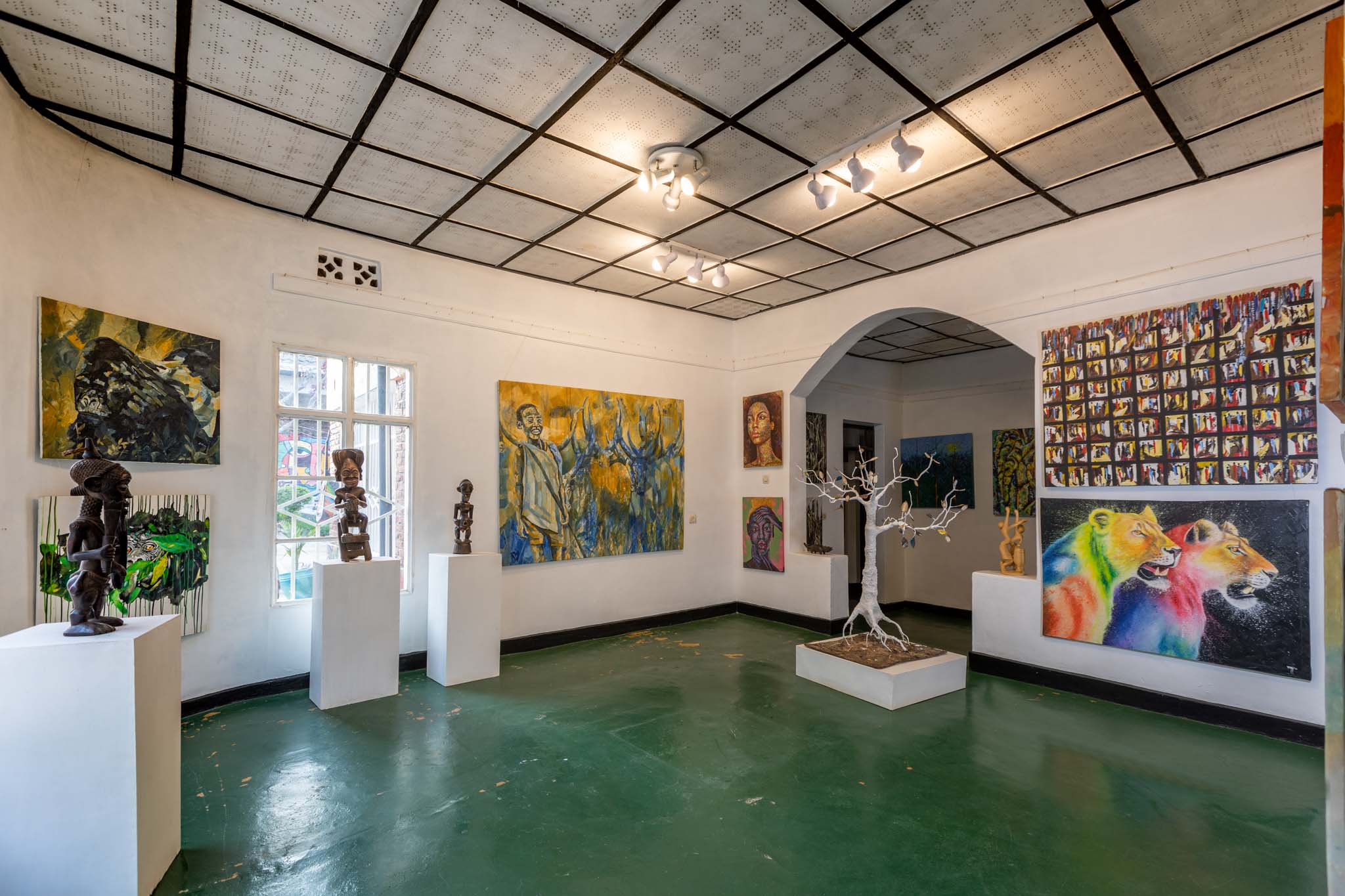
Kigali Art Galleries
Kigali Art Galleries
Discovering Kigali Art Galleries: A Journey Through Rwanda’s Vibrant Creative Scene
Introduction
Nestled in the heart of East Africa, Kigali, the capital of Rwanda, is not only known for its clean streets and rolling hills but also for its burgeoning art scene. Over the past decade, the city has transformed into a cultural hub, attracting artists, collectors, and enthusiasts from around the globe. The rise of Kigali art galleries is a testament to Rwanda’s resilience, creativity, and forward-thinking spirit.
In this comprehensive guide, we’ll explore the most influential art spaces in Kigali, the artists behind the masterpieces, and how the city is shaping the future of African contemporary art. Whether you’re an art collector, a traveler with an eye for beauty, or someone curious about African culture, this article will immerse you in Kigali’s artistic heartbeat.
The Rise of Contemporary Art in Kigali
A Cultural Renaissance
Following the tragic events of the 1994 genocide, Rwanda has undergone a remarkable transformation. Today, art is one of the most powerful tools for healing, expression, and storytelling. Kigali’s art scene reflects this journey, blending tradition with modernity, and pain with hope.
The emergence of contemporary African art in Kigali is not just about aesthetics—it’s a movement. Artists are using their work to challenge narratives, celebrate heritage, and envision a new future for Rwanda and the continent at large.
Government and Private Sector Support
The Rwandan government has played a pivotal role in nurturing the arts. Initiatives like the Rwanda Arts Initiative and partnerships with international cultural institutions have provided platforms for local talent. Additionally, private investors and NGOs have recognized the potential of art as a vehicle for economic growth and social change.
Top Kigali Art Galleries You Must Visit
Kigali is home to a diverse array of galleries, each offering a unique perspective on Rwandan and African art. Here are the most notable ones:
1. Inema Arts Center
Founded in 2012 by brothers Innocent and Emmanuel Nkuranga, Inema Arts Center is arguably the most renowned gallery in Kigali. It serves as a creative space for visual artists, dancers, musicians, and artisans.
Highlights:
- Weekly art exhibitions
- Live performances and workshops
- Residency programs for emerging artists
Why Visit: Inema is more than a gallery—it’s a cultural institution that embodies the spirit of modern Rwanda.
2. Ivuka Arts Kigali
As one of the first art centers in the city, Ivuka Arts has been instrumental in shaping Kigali’s art scene. It provides a platform for young artists to develop their skills and gain exposure.
Key Features:
- Community-driven projects
- Art classes for children
- Collaborative exhibitions
Notable Artists: Jean Bosco Bakunzi, the founder, is a celebrated figure in Rwanda’s art community.
3. Niyo Art Gallery
Niyo Art Gallery combines art with social impact. Founded by Pacifique Niyonsenga, the gallery supports street children through art education and empowerment programs.
Unique Offerings:
- Exhibitions featuring Afrocentric themes
- Live painting sessions
- Cultural dance and drumming performances
Social Impact: Proceeds from art sales support the Niyo Cultural Centre’s initiatives.
4. Kigali Center for Photography
For photography enthusiasts, the Kigali Center for Photography is a must-visit. It showcases the work of local and international photographers, focusing on African narratives.
Exhibitions Include:
- Photojournalism
- Documentary photography
- Experimental visual storytelling
Workshops: The center offers photography training for aspiring artists.
5. Uburanga Arts Studio
Uburanga Arts Studio is a collective that emphasizes freedom of expression. It’s a space where artists can experiment with new techniques and ideas.
Art Styles Represented:
- Abstract
- Expressionism
- Mixed media
Community Engagement: The studio regularly hosts art therapy sessions and community outreach programs.
The Artists Behind the Canvas
Kigali’s art galleries are home to a new generation of artists who are redefining what it means to be African and creative. Here are a few names to know:
Innocent Nkurunziza
Co-founder of Inema Arts Center, Innocent’s work is characterized by bold colors and abstract forms. His art explores identity, spirituality, and transformation.
Pacifique Niyonsenga
A self-taught artist and philanthropist, Pacifique uses his talent to uplift marginalized communities. His vibrant paintings often depict traditional Rwandan life and folklore.
Collin Sekajugo
Though based in Uganda and Rwanda, Collin’s influence in Kigali’s art scene is profound. His work blends pop culture with social commentary, challenging viewers to think critically.
Kigali’s Art Events and Festivals
Kigali International Art Festival (KIAF)
Held annually, KIAF brings together artists from across Africa and the diaspora. The festival features exhibitions, performances, panel discussions, and workshops.
Rwanda Film Festival
Also known as “Hillywood,” this festival celebrates Rwandan cinema but often includes visual art exhibitions and multimedia installations.
Art Rwanda – Ubuhanzi
A nationwide talent search that culminates in a grand exhibition in Kigali. It aims to discover and support young creatives in various disciplines, including painting, sculpture, and digital art.
The Role of Art in Rwanda’s Social Fabric
Healing Through Art
Art has played a crucial role in Rwanda’s post-genocide recovery. Many galleries and studios offer art therapy programs for survivors, using creativity as a tool for healing and reconciliation.
Empowering Women and Youth
Several art initiatives in Kigali focus on empowering women and young people. Through skill-building and mentorship, these programs help participants gain financial independence and confidence.
Promoting Cultural Identity
From traditional Imigongo art to contemporary installations, Kigali’s art scene celebrates Rwandan heritage. Galleries often incorporate local materials and motifs, preserving cultural identity while innovating.
Investing in Rwandan Art
Why Collect African Art?
African art is gaining global recognition, and Rwandan artists are at the forefront of this movement. Investing in Rwandan art not only supports local talent but also offers financial returns as demand increases.
Tips for First-Time Collectors
- Visit multiple galleries to understand different styles
- Speak with artists about their inspiration and techniques
- Consider purchasing limited edition prints or smaller works
- Ensure authenticity and proper documentation
Online Platforms
Many Kigali galleries now offer online viewing rooms and e-commerce options. Websites like Artsy and Saatchi Art also feature Rwandan artists.
How to Explore Kigali’s Art Scene
Art Tours
Several organizations offer curated art tours in Kigali, including:
These tours often include gallery visits, artist meet-and-greets, and cultural experiences.
Where to Stay
Many boutique hotels in Kigali feature local art in their decor. Consider staying at:
Frequently Asked Questions (FAQ)
1. What is the best time to visit Kigali for art lovers?
The ideal time is during the Kigali International Art Festival in August or during the dry seasons (June–September and December–February) when most galleries host outdoor events and exhibitions.
2. Are Kigali art galleries accessible to tourists?
Yes, most galleries are open to the public and welcome tourists. Many offer guided tours, and some even allow visitors to participate in workshops or meet the artists.
3. Can I buy art directly from Kigali galleries?
Absolutely. Galleries like Inema Arts Center and Niyo Art Gallery offer artworks for sale both in-person and online. Prices vary depending on the artist and medium.
4. Is photography allowed in Kigali art galleries?
Photography policies vary. While some galleries allow non-flash photography, others may restrict it to protect the artwork. Always ask for permission before taking photos.
5. How can I support Rwandan artists from abroad?
You can:
- Purchase art through online platforms
- Donate to art education programs
- Follow and promote Rwandan artists on social media
- Attend virtual exhibitions and events
Conclusion
Kigali’s art galleries are more than just spaces for displaying paintings—they are vibrant ecosystems of creativity, resilience, and cultural pride. As Rwanda continues to evolve, its art scene stands as a beacon of hope and innovation, inviting the world to see Africa through a new lens.
Whether you’re walking through the colorful halls of Inema, watching a live performance at Niyo, or discovering emerging talent at Ivuka, one thing is certain: Kigali is not just a city—it’s a canvas.