
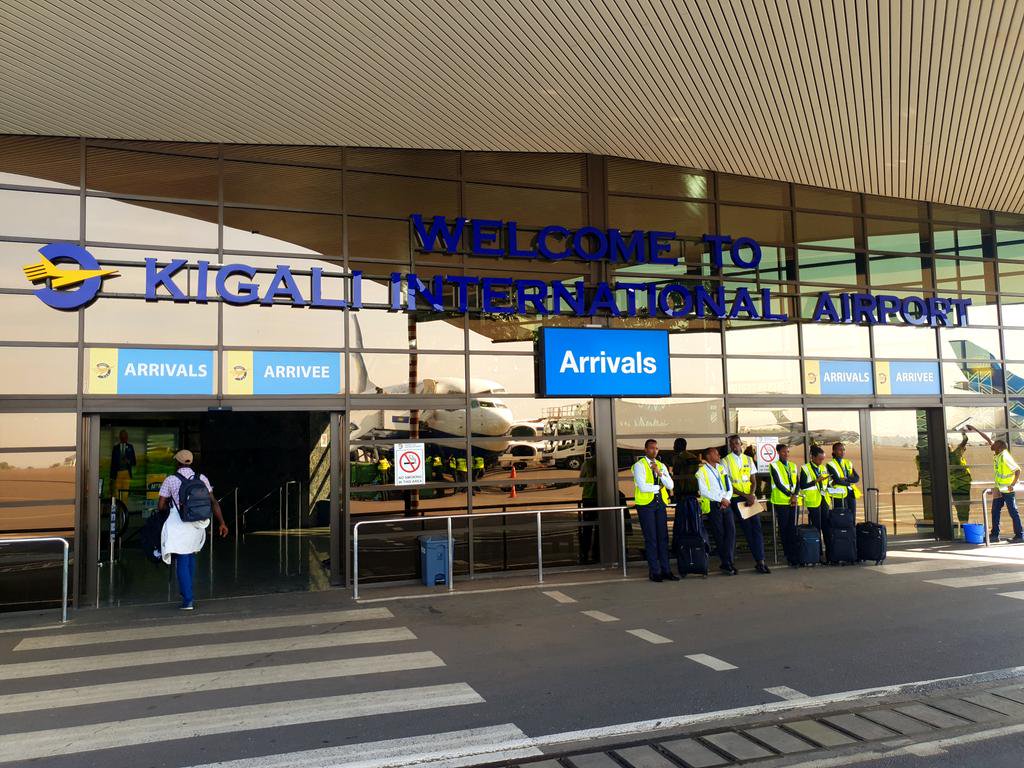
Kigali International Airport
Kigali International Airport
Kigali International Airport: The Gateway to Rwanda’s Rising Skyline
Introduction
Nestled in the heart of East Africa, Kigali International Airport (IATA: KGL) stands as a beacon of modernity, efficiency, and ambition. As Rwanda’s primary international gateway, this airport is more than just a transit hub—it is a symbol of the nation’s rapid transformation into a regional powerhouse. Strategically located just 5 kilometers from the vibrant city center of Kigali, the airport plays a pivotal role in connecting Rwanda to the rest of the world.
In this comprehensive guide, we delve deep into the evolution, infrastructure, services, and future of Kigali International Airport. Whether you’re a frequent traveler, aviation enthusiast, or curious explorer, this article offers a detailed look into one of Africa’s most promising air travel hubs.
The Evolution of Kigali International Airport
From Humble Beginnings to a Regional Hub
Originally known as Kanombe Airport, Kigali International Airport has undergone significant transformations since its inception in the 1930s. Initially a small airstrip, it has evolved into a modern facility that handles over 1 million passengers annually.
Key milestones in its development include:
- 1960s: Expansion to accommodate commercial flights
- 1994: Played a crucial role during the Rwandan Genocide, serving as a humanitarian aid entry point
- 2000s: Major upgrades to runways, terminals, and navigation systems
- 2014–Present: Continuous modernization to meet international standards
Strategic Importance in East Africa
Kigali’s central location in Africa makes it an ideal hub for regional and international flights. The airport serves as a key node in Rwanda’s vision to become a logistics and aviation hub, connecting cities like Nairobi, Johannesburg, Dubai, and Brussels.
Infrastructure and Facilities
Runways and Terminals
Kigali International Airport features a single asphalt runway (10/28) that is 3,500 meters long, capable of accommodating wide-body aircraft such as the Boeing 777 and Airbus A330. The airport comprises:
- Main Passenger Terminal: Recently renovated to enhance passenger experience
- VIP Terminal: Dedicated to diplomatic and high-profile travelers
- Cargo Terminal: Equipped with modern warehousing and cold storage facilities
Navigation and Safety Systems
The airport is equipped with advanced Instrument Landing Systems (ILS), radar surveillance, and air traffic control technologies, ensuring safe and efficient operations even under challenging weather conditions.
Sustainability and Green Initiatives
Rwanda’s commitment to environmental sustainability is reflected in the airport’s operations. Kigali International Airport has implemented:
- Solar-powered lighting systems
- Waste recycling programs
- Water conservation initiatives
Airlines and Destinations
Major Airlines Operating at KGL
Kigali International Airport is served by a growing list of international and regional carriers, including:
- RwandAir: Rwanda’s national carrier with direct flights to Europe, Asia, and Africa
- Qatar Airways
- Turkish Airlines
- Kenya Airways
- Brussels Airlines
Popular Destinations
From Kigali, travelers can access a variety of global destinations:
- Europe: Brussels, London, Paris
- Middle East: Doha, Dubai
- Africa: Nairobi, Johannesburg, Lagos, Addis Ababa
- Asia: Mumbai, Guangzhou (via connections)
Passenger Experience at Kigali International Airport
Check-In and Security
The airport offers streamlined check-in processes with both manual counters and self-service kiosks. Security procedures are efficient, with trained personnel and modern scanning equipment ensuring passenger safety.
Lounges and Amenities
- Dream Lounge: Offers premium services including Wi-Fi, refreshments, and business facilities
- Duty-Free Shops: A range of local and international products
- Restaurants and Cafes: Featuring Rwandan cuisine and international options
- Currency Exchange and ATMs: Available in the arrivals and departures areas
Accessibility and Transportation
- Taxis and Car Rentals: Readily available outside the terminal
- Public Transport: Buses and minibuses connect the airport to various parts of Kigali
- Parking: Secure short-term and long-term parking facilities
Cargo and Logistics
Kigali as a Cargo Hub
With Rwanda’s growing export economy, especially in coffee, tea, and horticulture, Kigali International Airport has become a vital cargo hub. The cargo terminal offers:
- Cold chain storage for perishables
- Efficient customs clearance
- Direct access to major African and international markets
Partnerships and Logistics Companies
Several global logistics firms operate at the airport, including:
The Future: Bugesera International Airport
Kigali’s Next-Gen Airport
To accommodate increasing air traffic, Rwanda is constructing the Bugesera International Airport, located 25 km southeast of Kigali. Once completed, it will become the country’s primary international gateway, featuring:
- Two runways
- Capacity for 7 million passengers annually
- State-of-the-art terminals and cargo facilities
Economic and Strategic Impact
The new airport is expected to:
- Boost tourism and foreign investment
- Create thousands of jobs
- Strengthen Rwanda’s position as a regional aviation hub
Kigali International Airport and Rwanda’s Vision 2050
Aligning with National Development Goals
Kigali International Airport is a cornerstone of Rwanda’s Vision 2050, which aims to transform the country into a high-income nation. The airport supports this vision by:
- Enhancing connectivity
- Promoting trade and tourism
- Facilitating knowledge and cultural exchange
Smart Airport Initiatives
The government is investing in digital transformation, including:
- Biometric boarding systems
- AI-powered security checks
- Real-time flight tracking apps
Travel Tips for Kigali International Airport
Before You Fly
- Visa Requirements: Rwanda offers visa-on-arrival for most nationalities
- Health Regulations: Yellow fever vaccination may be required
- Currency: Rwandan Franc (RWF); USD widely accepted
Upon Arrival
- SIM Cards: Available at airport kiosks
- Transport: Use official airport taxis or ride-hailing apps like Yego
- Language: English, French, and Kinyarwanda are widely spoken
Kigali International Airport in Numbers
| Category | Statistic |
|---|---|
| Annual Passengers | 1.2 million+ |
| Runway Length | 3,500 meters |
| Airlines | 20+ |
| Destinations | 30+ |
| Cargo Volume | 20,000+ tonnes/year |
Frequently Asked Questions (FAQ)
1. What is the main airport in Rwanda?
The main airport in Rwanda is Kigali International Airport, located in the capital city, Kigali. It serves as the primary entry and exit point for international travelers.
2. How far is Kigali International Airport from the city center?
The airport is approximately 5 kilometers from downtown Kigali, making it easily accessible by taxi or public transport.
3. Which airlines operate at Kigali International Airport?
Major airlines include RwandAir, Qatar Airways, Kenya Airways, and Turkish Airlines.
4. Is there Wi-Fi at Kigali International Airport?
Yes, free Wi-Fi is available throughout the terminal, including lounges and waiting areas.
5. What is the future of Kigali International Airport?
The airport will eventually be complemented by Bugesera International Airport, a larger facility currently under construction to handle increased passenger and cargo traffic.
Conclusion
Kigali International Airport is more than just an aviation facility—it is a testament to Rwanda’s resilience, innovation, and forward-thinking leadership. As the country continues to rise on the global stage, its gateway to the world is evolving in tandem, offering travelers a seamless, secure, and sustainable experience.
Whether you’re flying in for business, tourism, or transit, Kigali International Airport welcomes you with open arms and world-class service. Keep an eye on this dynamic hub—it’s only going to get better.