
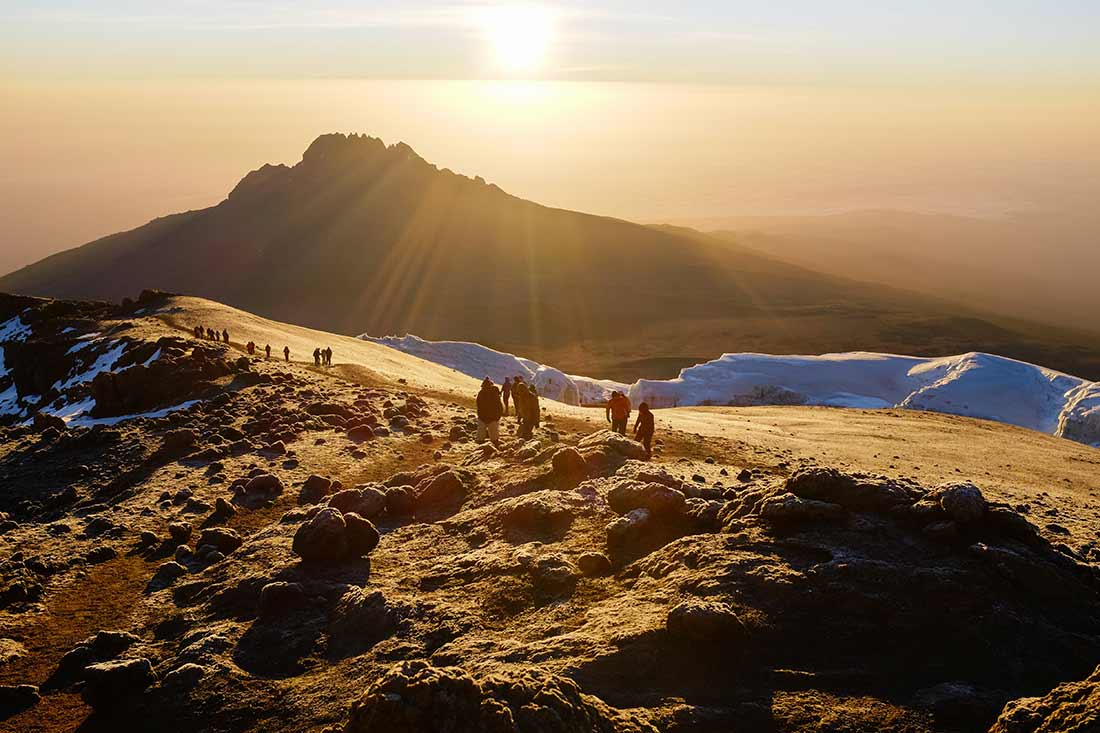
Kilimanjaro Tourism
Kilimanjaro Tourism
Kilimanjaro Tourism: A Complete Guide to Exploring Africa’s Tallest Peak
Introduction
Mount Kilimanjaro, the highest mountain in Africa, stands as a majestic beacon for adventurers and nature lovers worldwide. Located in Tanzania, this iconic peak attracts thousands of climbers and tourists every year, eager to experience its breathtaking landscapes, diverse ecosystems, and the challenge of reaching its summit.
This comprehensive guide will provide everything you need to know about Kilimanjaro tourism, from the best time to visit, trekking routes, and necessary preparations to the cultural significance and ecological importance of this natural wonder.
Why Visit Mount Kilimanjaro?
Mount Kilimanjaro is not just a mountain; it is a symbol of adventure and perseverance. Here are some compelling reasons why you should visit:
- Breathtaking Scenery – From lush rainforests to alpine deserts and glacial peaks, Kilimanjaro offers a diverse range of landscapes.
- Unique Wildlife – Encounter exotic animals such as colobus monkeys, elephants, and various bird species.
- Cultural Experience – Engage with the Chagga people, who have lived around Kilimanjaro for centuries.
- Personal Achievement – Reaching the summit of Uhuru Peak (5,895 meters) is a life-changing accomplishment.
- No Technical Climbing Required – Unlike other high-altitude mountains, Kilimanjaro is a trekking peak, meaning no mountaineering skills are necessary.
Best Time to Visit Kilimanjaro
The best time for Kilimanjaro tourism depends on weather conditions and personal preferences.
1. Dry Season (Best Time to Climb)
- January to March – Fewer crowds, cooler temperatures, and occasional snow at the summit.
- June to October – The most popular season with clear skies and dry trails.
2. Rainy Season (Challenging but Unique Experience)
- April to May – Heavy rains make trails slippery, but the mountain is less crowded.
- November to December – Short rains, offering a mix of dry and wet conditions.
Kilimanjaro Trekking Routes
There are several trekking routes to the summit, each offering a unique experience.
1. Marangu Route (Coca-Cola Route)
- Duration: 5-6 days
- Difficulty: Moderate
- Accommodation: Huts
- Best For: Beginners who prefer a comfortable trek.
2. Machame Route (Whiskey Route)
- Duration: 6-7 days
- Difficulty: Challenging
- Accommodation: Camping
- Best For: Adventurous trekkers seeking scenic views.
3. Lemosho Route
- Duration: 7-8 days
- Difficulty: Moderate to difficult
- Accommodation: Camping
- Best For: Those who want a gradual ascent with fewer crowds.
4. Rongai Route
- Duration: 6-7 days
- Difficulty: Moderate
- Accommodation: Camping
- Best For: Climbers looking for a quieter and drier route.
5. Northern Circuit Route
- Duration: 9-10 days
- Difficulty: Moderate
- Accommodation: Camping
- Best For: Those who want the highest success rate and a longer acclimatization period.
Preparing for a Kilimanjaro Trek
1. Physical Fitness
- Train with cardio exercises, such as running, cycling, and hiking.
- Strengthen your legs and core muscles.
- Practice hiking with a backpack to simulate real conditions.
2. Packing Essentials
- Clothing: Layered clothing, waterproof gear, thermal wear.
- Footwear: Sturdy hiking boots with good ankle support.
- Gear: Trekking poles, headlamp, sunglasses, and a sleeping bag.
- Health Supplies: First aid kit, altitude sickness medication, and sunscreen.
3. Acclimatization and Altitude Sickness
- Choose a longer route for better acclimatization.
- Stay hydrated and maintain a steady pace.
- Recognize symptoms of altitude sickness, such as headaches and dizziness.
Wildlife and Nature on Kilimanjaro
Mount Kilimanjaro is home to diverse ecosystems:
- Rainforest Zone (800m – 3,000m) – Rich in biodiversity, with monkeys, leopards, and exotic birds.
- Moorland Zone (3,000m – 4,000m) – Features giant lobelias and unique plant species.
- Alpine Desert (4,000m – 5,000m) – Harsh, rocky terrain with little vegetation.
- Summit Zone (5,000m – 5,895m) – Icy glaciers and breathtaking views.
Cultural Significance of Kilimanjaro
Mount Kilimanjaro holds deep cultural importance for the Chagga people and Tanzanians. It is considered a sacred place, symbolizing strength and endurance. Many local legends and traditions revolve around the mountain, making it a fascinating cultural landmark.
Sustainable Tourism and Conservation Efforts
With the increasing popularity of Kilimanjaro tourism, conservation efforts are crucial to preserving its natural beauty.
- Leave No Trace: Carry out all waste and avoid littering.
- Support Local Communities: Hire local guides and porters.
- Respect Wildlife: Avoid disturbing animals and their habitats.
Frequently Asked Questions (FAQ)
1. How difficult is it to climb Kilimanjaro?
Climbing Kilimanjaro is challenging but achievable for most people with proper preparation. It requires endurance, acclimatization, and determination rather than technical climbing skills.
2. Do I need a guide to climb Kilimanjaro?
Yes, hiring a licensed guide is mandatory for all climbers. Guides ensure safety, provide assistance, and enhance the overall experience.
3. What is the success rate of reaching the summit?
Success rates vary by route:
- Marangu Route: ~50%
- Machame Route: ~85%
- Lemosho Route: ~90%
- Northern Circuit Route: ~95%
4. How much does a Kilimanjaro trek cost?
The cost ranges from $1,500 to $5,000, depending on the route, duration, and tour operator.
5. What should I pack for a Kilimanjaro trek?
Essential items include:
- Warm clothing and waterproof gear
- Hiking boots and trekking poles
- Sleeping bag and headlamp
- Snacks and hydration system
Conclusion
Mount Kilimanjaro is a bucket-list destination for adventurers, nature lovers, and cultural enthusiasts. Whether you seek the thrill of summiting Africa’s highest peak or the serenity of its breathtaking landscapes, Kilimanjaro tourism offers an unforgettable experience.
By preparing adequately, choosing the right route, and respecting the environment, you can embark on a once-in-a-lifetime journey to the “Roof of Africa.”