
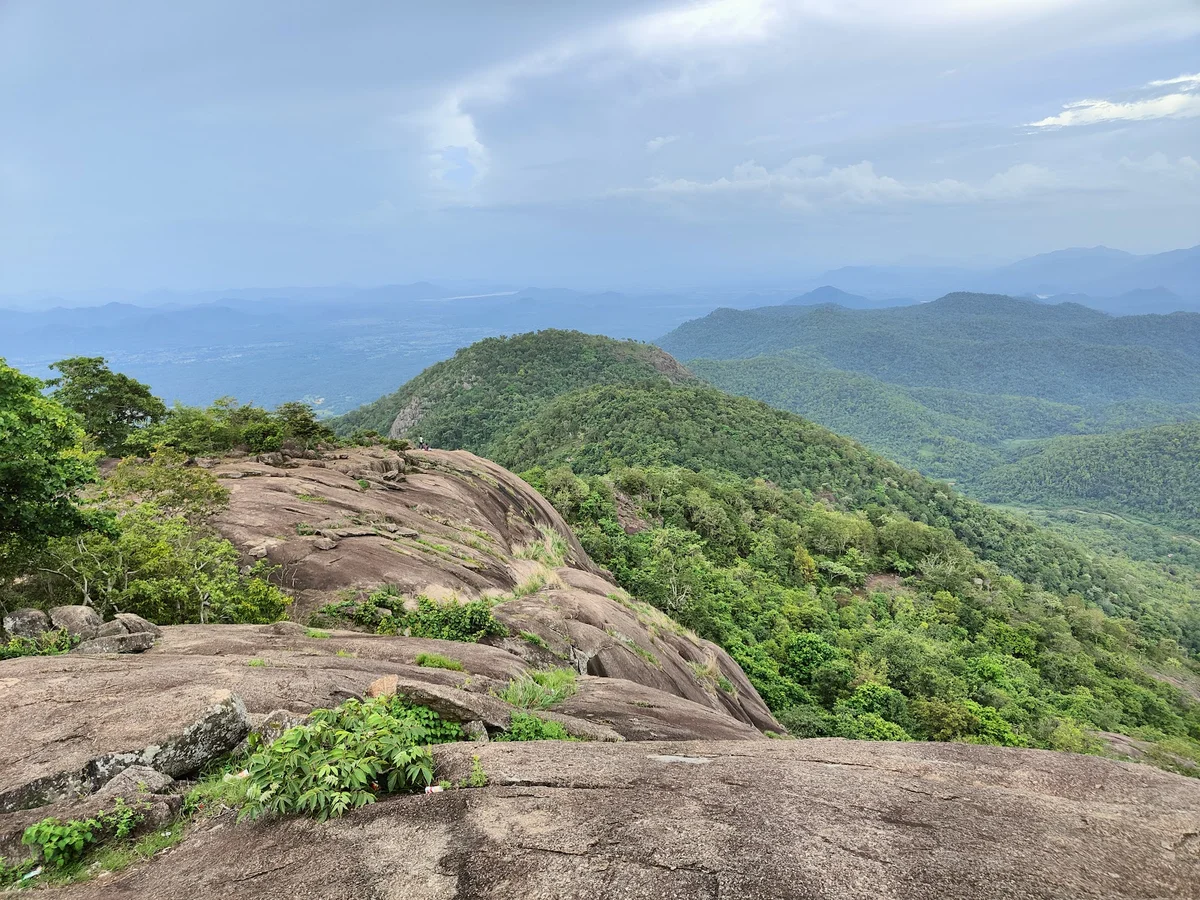
Kishunja Hill Viewpoint
Kishunja Hill Viewpoint
Kishunja Hill Viewpoint: A Hidden Gem of Scenic Majesty and Cultural Significance
Introduction
Nestled in the heart of East Africa, the Kishunja Hill Viewpoint is a breathtaking natural marvel that remains relatively undiscovered by mainstream tourism. Located in the serene landscapes of Uganda, this elevated vantage point offers panoramic views of the surrounding valleys, lush vegetation, and distant mountain ranges. Beyond its visual allure, Kishunja Hill is steeped in cultural heritage, ecological importance, and untapped tourism potential.
In this comprehensive guide, we delve into the multifaceted appeal of Kishunja Hill Viewpoint. From its geographical significance and biodiversity to its cultural narratives and emerging role in eco-tourism, this article is your ultimate resource for understanding and appreciating this magnificent destination.
Geographical Location and Accessibility
Kishunja Hill is located in the Western Region of Uganda, near the border with the Democratic Republic of Congo. It rises prominently above the surrounding plains, offering a commanding view of the Albertine Rift Valley and the Rwenzori Mountains in the distance.
How to Reach Kishunja Hill
- By Road: From Kampala, the capital city of Uganda, it takes approximately 6–8 hours by car via the Fort Portal-Kasese highway.
- By Air: The nearest airstrip is in Kasese, with domestic flights available from Entebbe International Airport.
- Local Transport: Boda-bodas (motorcycle taxis) and matatus (shared minibuses) are commonly used for the final stretch to the hill.
📍 Explore Uganda’s road network for updated travel routes and conditions.
Historical and Cultural Significance
Kishunja Hill is not just a scenic viewpoint; it is a cultural landmark for the local Bakonzo and Batooro communities. Oral traditions speak of the hill as a sacred site used for spiritual rituals, community gatherings, and storytelling.
Cultural Highlights
- Ancestral Worship: Elders recount that the hill was once a site for honoring ancestral spirits.
- Folklore and Legends: Tales of mythical creatures and ancient warriors are associated with the hill.
- Traditional Ceremonies: Seasonal festivals are occasionally held at the summit, celebrating harvests and rain-making rituals.
🌍 Learn more about Ugandan cultural heritage.
Biodiversity and Natural Beauty
The region surrounding Kishunja Hill is a biodiversity hotspot, part of the greater Albertine Rift ecosystem. The hill itself is adorned with endemic flora and fauna, making it a haven for nature lovers and researchers.
Flora and Fauna
- Bird Species: Over 150 bird species, including the rare Rwenzori turaco and African green broadbill.
- Mammals: Sightings of bushbucks, monkeys, and even leopards in nearby forests.
- Plant Life: Medicinal herbs, wild orchids, and indigenous trees like the Mutuba fig.
🐦 Visit BirdLife International for detailed species lists in Uganda.
Activities and Attractions
Visitors to Kishunja Hill are spoiled for choice when it comes to outdoor adventures and cultural experiences.
Top Things to Do
- Hiking and Trekking: Multiple trails of varying difficulty lead to the summit.
- Photography: Capture stunning sunrises, cloud formations, and valley views.
- Bird Watching: Bring binoculars and a guidebook to identify rare species.
- Cultural Tours: Visit local villages and interact with artisans and storytellers.
📸 Check out Uganda Wildlife Authority for guided tour options.
Eco-Tourism and Sustainable Travel
As global travelers become more environmentally conscious, Kishunja Hill is emerging as a model for eco-tourism in Uganda. The area is largely untouched, offering an authentic and sustainable travel experience.
Sustainable Practices
- Community-Run Lodges: Local families operate eco-lodges using sustainable materials.
- Waste Management: Visitors are encouraged to carry out all waste.
- Conservation Education: Programs for both tourists and locals on preserving biodiversity.
🌱 Learn about eco-tourism in East Africa.
Best Time to Visit Kishunja Hill
Uganda enjoys a tropical climate, but the best time to visit Kishunja Hill is during the dry seasons:
- June to August
- December to February
These months offer clear skies, less mud on trails, and better visibility from the summit.
☀️ For up-to-date weather forecasts, visit Uganda Meteorological Authority.
Local Communities and Cultural Immersion
One of the most enriching aspects of visiting Kishunja Hill is engaging with the local communities. The people are warm, welcoming, and eager to share their traditions.
Cultural Experiences
- Traditional Dance Performances
- Handicraft Workshops: Learn to weave baskets or carve wooden masks.
- Home-Stay Programs: Stay with a local family and experience daily life.
🧵 Support local artisans through Craft Africa.
Travel Tips and Safety Guidelines
While Kishunja Hill is a safe destination, travelers should take standard precautions.
Safety Tips
- Hire a Local Guide: Especially for hiking and cultural tours.
- Stay Hydrated: Carry enough water and wear sun protection.
- Respect Local Customs: Dress modestly and ask before taking photos.
- Health Precautions: Carry mosquito repellent and check for required vaccinations.
🧳 Visit Travel Health Pro for travel health advice.
How to Get There
Travel Routes
- From Kampala: Via Fort Portal or Kasese, depending on road conditions.
- From Entebbe: Fly to Kasese, then drive to the hill.
- Local Access: Dirt roads lead to the base of the hill; 4×4 vehicles recommended during rainy seasons.
🚗 Use Google Maps for navigation assistance.
Future Prospects and Development
With increasing interest from eco-tourists and cultural enthusiasts, Kishunja Hill is poised for sustainable development. Local authorities and NGOs are working together to:
- Improve road access
- Build eco-friendly accommodations
- Train local guides and conservationists
- Promote the hill in international tourism expos
🏞️ Read about Uganda’s tourism development strategy.
Frequently Asked Questions (FAQ)
1. Where exactly is Kishunja Hill located?
Kishunja Hill is situated in Western Uganda, near the Rwenzori Mountains and the Albertine Rift Valley. It is accessible from towns like Kasese and Fort Portal.
2. Is Kishunja Hill suitable for beginner hikers?
Yes, there are multiple trails, including beginner-friendly routes. However, hiring a local guide is highly recommended for safety and navigation.
3. Are there accommodations near Kishunja Hill?
Yes, several eco-lodges and home-stays are available in nearby villages. Booking in advance is advisable, especially during peak seasons.
4. What wildlife can I expect to see?
Expect to see a variety of bird species, small mammals like bushbucks, and possibly primates in the surrounding forests.
5. Is it safe to travel to Kishunja Hill?
Yes, the area is considered safe for tourists. However, always check travel advisories and follow local guidance.
Conclusion
Kishunja Hill Viewpoint is more than just a scenic overlook—it’s a cultural sanctuary, a biodiversity haven, and a rising star in eco-tourism. Whether you’re a nature enthusiast, a cultural explorer, or a photographer seeking the perfect shot, this hidden gem in Uganda offers a transformative experience.
As tourism in Uganda continues to evolve, destinations like Kishunja Hill will play a pivotal role in shaping sustainable, community-driven travel. Now is the perfect time to discover its magic before the crowds arrive.
🌄 Plan your journey to Kishunja Hill today and be part of a new wave of conscious exploration.