
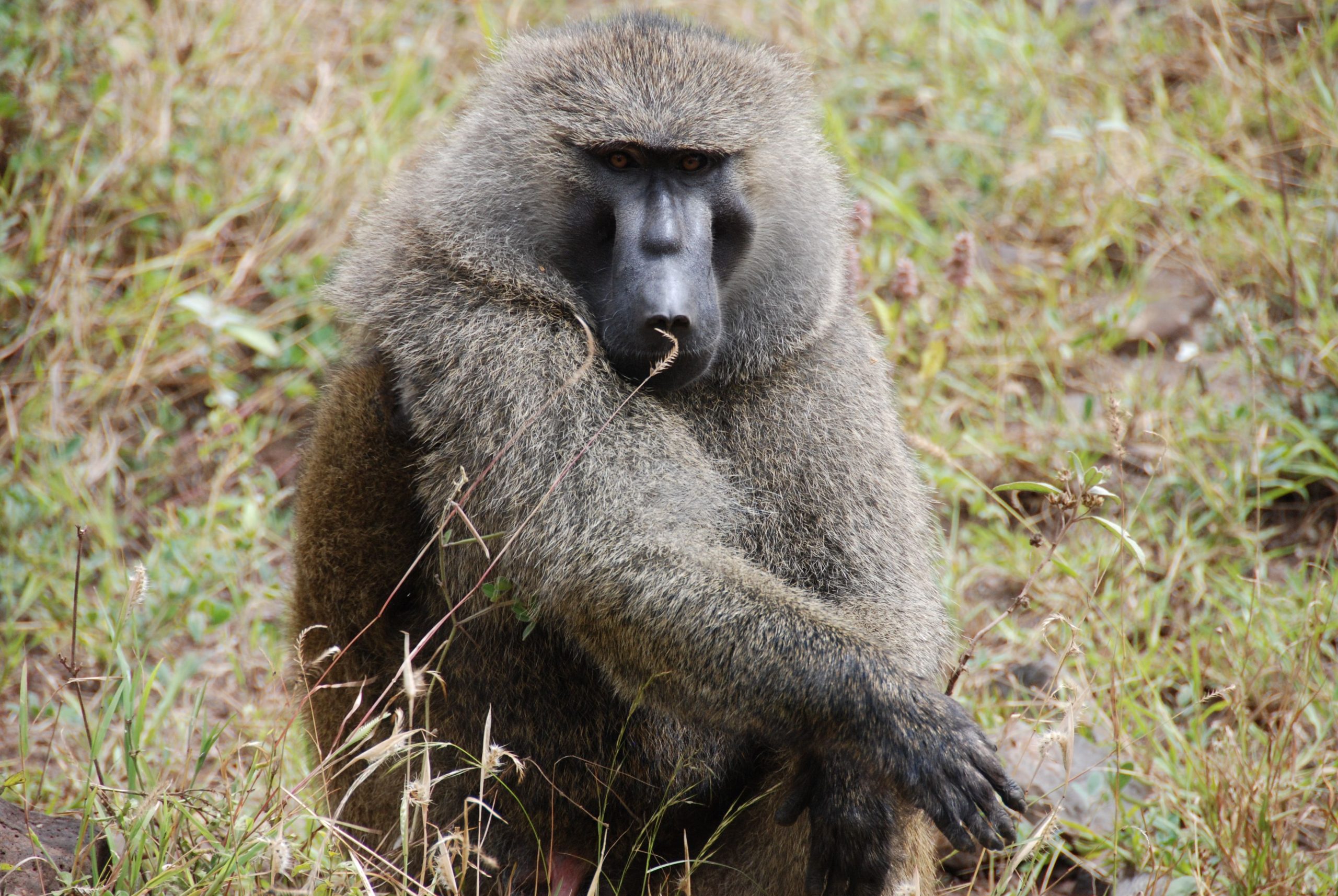
Lake Nakuru Baboon Cliff
Lake Nakuru Baboon Cliff
Lake Nakuru Baboon Cliff: A Scenic Viewpoint for Wildlife, Photography and Great Rift Valley Adventures
Introduction
Lake Nakuru Baboon Cliff is one of the most memorable scenic viewpoints in Lake Nakuru National Park, Kenya. Rising above the lake and surrounding wildlife plains, the viewpoint offers visitors an impressive perspective over Lake Nakuru, the Rift Valley landscape and the diverse habitats that make this national park one of Kenya’s popular safari destinations.
Lake Nakuru National Park is particularly known for its rich birdlife, rhinos, buffaloes, giraffes, zebras, lions, leopards and other wildlife. Kenya Wildlife Service describes the park as an important sanctuary for both black and white rhinos and notes that the park supports approximately 450 bird species.
For travelers exploring Kenya as part of a wider East African adventure, a visit to Baboon Cliff can be an excellent addition to a Lake Nakuru safari. Turkana Wildlife Safaris Uganda can also help travelers combine Kenya experiences with safari adventures in Uganda, Kenya, Rwanda and Tanzania. The company offers wildlife, birding, photography, cultural and customized safari experiences.
What Is Lake Nakuru Baboon Cliff?
Baboon Cliff is a spectacular viewpoint within Lake Nakuru National Park. It is famous for its elevated views across the lake and the surrounding landscapes, while olive baboons are commonly associated with the area.
From the viewpoint, visitors can appreciate the contrast between Lake Nakuru, wooded areas, open grasslands, rocky terrain and the distant Rift Valley escarpments. The viewpoint is also recognized among the park’s important scenic locations alongside Lion Hill and Out of Africa Hill.
The cliff is especially attractive to photographers because the elevated position provides an expansive landscape rather than a close-up wildlife experience. Depending on lake conditions and wildlife movements, visitors may see birds around the lake and animals moving through the plains below.
Why Visit Baboon Cliff?
1. Panoramic Views of Lake Nakuru
The biggest attraction is the breathtaking view. From the elevated viewpoint, travelers can look across Lake Nakuru and appreciate the scale of the surrounding national park.
The changing light throughout the day can dramatically transform the scenery, making the viewpoint particularly rewarding for landscape photography.
2. Wildlife Viewing
Although Baboon Cliff is primarily a scenic viewpoint, the wider Lake Nakuru ecosystem supports an impressive variety of wildlife.
The park is home to black and white rhinos, buffaloes, giraffes, zebras, impalas, waterbucks, lions, leopards and several other species.
A safari itinerary combining game drives with a stop at Baboon Cliff therefore provides both close wildlife encounters and spectacular panoramic scenery.
3. Olive Baboons
As the name suggests, baboons are one of the attractions around the viewpoint. They can sometimes be seen moving around the area, foraging, resting or interacting with one another.
However, visitors should remember that baboons are wild animals. Feeding them or leaving food exposed can encourage unwanted interactions. Travelers should keep food and personal belongings secure and follow their safari guide’s instructions.
4. Excellent Photography Opportunities
Baboon Cliff is particularly appealing to photography enthusiasts.
A wide-angle lens can help capture the expansive lake and Rift Valley scenery, while a telephoto lens can be useful for photographing wildlife and birds at a distance.
Early morning and late afternoon can provide attractive natural light, while clear weather can improve visibility across the lake and surrounding landscape.
5. A Peaceful Safari Break
A stop at Baboon Cliff gives travelers an opportunity to step away from continuous game driving and appreciate the landscape.
It can be a great place to pause, take photographs and enjoy the atmosphere before continuing with a game drive through Lake Nakuru National Park.
Wildlife You May See Around Lake Nakuru
Baboon Cliff should be considered part of the larger Lake Nakuru safari experience rather than a guaranteed wildlife-viewing location on its own.
Some of the wildlife found in the park includes:
- Black rhinoceros
- White rhinoceros
- African buffalo
- Rothschild’s giraffe
- Zebra
- Impala
- Waterbuck
- Bushbuck
- Olive baboon
- Vervet monkey
- Lion
- Leopard
- Hyena
- Rock hyrax
- Various antelope species
The park is also an important birding destination, with approximately 450 recorded bird species according to Kenya Wildlife Service. Species associated with the park include pelicans, flamingos, fish eagles, herons, egrets, hamerkops and grebes.
Birdwatching at Lake Nakuru
Lake Nakuru is an excellent destination for travelers interested in African birds.
The lake and surrounding habitats support waterbirds, terrestrial species, fish-eating birds and migratory species. Flamingos are historically associated with Lake Nakuru, although their numbers and distribution can change with water levels and ecological conditions.
This means visitors should not plan a trip solely around seeing a particular number of flamingos. Instead, the broader birding experience, including pelicans, raptors, waders and other species can be equally rewarding.
Best Time to Visit Baboon Cliff
Lake Nakuru can be visited throughout the year, and wildlife viewing is possible in different seasons.
For photography, early morning and late afternoon are often attractive because the light tends to be softer than during the middle of the day.
Travelers should also consider weather conditions. Rain can affect road conditions and visibility, while clear conditions can produce excellent views from elevated viewpoints.
Rather than focusing only on one specific month, the best approach is to choose a safari period that fits your overall Kenya itinerary and interests.
How to Include Baboon Cliff in a Safari
Baboon Cliff can easily be incorporated into a Lake Nakuru game-drive itinerary.
A typical experience may include:
Morning:
Begin with an early game drive searching for rhinos, buffaloes, giraffes, zebras and other wildlife.
Midday:
Explore the lake area and surrounding habitats while enjoying birdwatching opportunities.
Afternoon:
Continue with a game drive before heading toward scenic viewpoints.
Baboon Cliff stop:
Spend time enjoying the panoramic views, photographing the landscape and watching for baboons and birds.
Evening:
Continue the game drive or return to your lodge or camp.
The exact route depends on park conditions, wildlife movements and the itinerary arranged by your safari operator.
Combining Lake Nakuru With Other Kenyan Destinations
Lake Nakuru works particularly well as part of a longer Kenya safari.
Travelers can consider combining it with destinations such as:
- Masai Mara National Reserve
- Lake Naivasha
- Amboseli National Park
- Tsavo National Parks
- Samburu National Reserve
A multi-destination itinerary allows travelers to experience different ecosystems rather than spending the entire trip in one park.
For visitors coming from Uganda, Lake Nakuru can also form part of a broader East African safari itinerary.
Lake Nakuru and Uganda Safari With Turkana Wildlife Safaris Uganda
For travelers interested in experiencing both Kenya and Uganda, Turkana Wildlife Safaris Uganda offers an opportunity to create a customized East African safari.
The company states that it operates safaris in Uganda, Kenya, Rwanda and Tanzania and offers wildlife, birding, photography, cultural, honeymoon and tailor-made safari experiences.
A customized itinerary could combine the dramatic landscapes of Kenya’s Great Rift Valley with Uganda’s famous wildlife destinations.
For example, a traveler could create a journey incorporating:
- Lake Nakuru National Park
- Masai Mara National Reserve
- Queen Elizabeth National Park
- Bwindi Impenetrable National Park
- Murchison Falls National Park
- Lake Mburo National Park
The actual itinerary should be designed around the traveler’s available time, interests, budget and preferred accommodation style.
Photography Tips for Baboon Cliff
If photography is one of your priorities, consider bringing:
Wide-Angle Lens
A wide-angle lens is useful for capturing Lake Nakuru, the surrounding landscape and the dramatic Rift Valley scenery.
Telephoto Lens
A telephoto lens can help photograph birds and wildlife at a distance without disturbing them.
Binoculars
Even when animals appear small from the viewpoint, binoculars can help you identify wildlife and birds below.
Extra Batteries and Memory Cards
Safari photography can consume considerable battery power and storage, particularly when shooting wildlife continuously.
Avoid Disturbing Wildlife
Never approach, feed or deliberately provoke baboons or other wildlife simply to obtain a photograph.
The best safari photographs often come from patience and respectful observation.
Safety at Baboon Cliff
Baboon Cliff is a wildlife environment, so visitors should remain alert.
Important precautions include:
- Stay with your safari guide or within designated visitor areas.
- Do not feed baboons.
- Keep food securely packed.
- Do not leave bags or cameras unattended.
- Keep children close to adults.
- Maintain a safe distance from wildlife.
- Follow instructions from park authorities and guides.
- Avoid approaching animals on foot unless the activity is specifically permitted and guided.
Baboons can become bold when they associate visitors with food, so keeping snacks and belongings secure is particularly important.
What to Pack for a Lake Nakuru Safari
A practical packing list includes:
- Lightweight safari clothing
- Comfortable walking shoes
- Sun hat
- Sunglasses
- Sunscreen
- Binoculars
- Camera and spare batteries
- Extra memory cards
- Light jacket
- Reusable water bottle
- Insect repellent
- Personal medications
- Small daypack
Neutral-colored clothing is generally practical for wildlife viewing and photography.
Why Baboon Cliff Should Be on Your Kenya Safari
Lake Nakuru is more than just a lake. It is a diverse ecosystem combining water, woodland, grassland and rocky landscapes.
Baboon Cliff provides one of the best ways to appreciate this bigger picture. Instead of looking at wildlife from ground level, visitors gain a broad perspective of the park and its surroundings.
For photographers, birdwatchers, families and first-time Kenya safari travelers, the viewpoint can add a memorable scenic element to a Lake Nakuru game drive.
Frequently Asked Questions About Lake Nakuru Baboon Cliff
1. Where is Baboon Cliff located?
Baboon Cliff is located inside Lake Nakuru National Park in Kenya and is one of the park’s recognized scenic viewpoints.
2. Why is it called Baboon Cliff?
The viewpoint is associated with olive baboons that are frequently seen in the area.
3. What can I see from Baboon Cliff?
Visitors can enjoy panoramic views of Lake Nakuru, surrounding vegetation, wildlife habitats and the broader Rift Valley landscape.
4. Can I see rhinos from Baboon Cliff?
Rhinos inhabit Lake Nakuru National Park, but sightings from the viewpoint are not guaranteed. A game drive is the better way to search for rhinos.
5. Are flamingos always visible?
No. Flamingo numbers and distribution can change depending on ecological and water conditions. Lake Nakuru remains an important birding destination regardless.
6. Is Baboon Cliff good for photography?
Yes. Its elevated position provides excellent opportunities for landscape, bird and wildlife photography.
7. Are baboons dangerous?
Baboons are wild animals and should be treated with caution. Do not feed them, tease them or leave food and belongings exposed.
8. Can families visit Baboon Cliff?
Yes, families can include the viewpoint in a Lake Nakuru safari, but children should be supervised closely around wildlife and elevated areas.
9. How long should I spend at Baboon Cliff?
The duration depends on your safari itinerary. A short scenic stop may be sufficient, while photographers may prefer more time for changing light and wildlife observations.
10. Can I combine Lake Nakuru with a Masai Mara safari?
Yes. Lake Nakuru and the Masai Mara can be combined into a longer Kenya safari itinerary.
11. Can I combine a Kenya safari with Uganda?
Yes. Kenya and Uganda can be combined into an East African itinerary, depending on border arrangements, transport and the overall safari plan.
12. Can Turkana Wildlife Safaris Uganda organize a customized safari?
Yes. Turkana Wildlife Safaris states that it provides customized safari itineraries and operates in Uganda, Kenya, Rwanda and Tanzania.
Conclusion
Lake Nakuru Baboon Cliff is a beautiful scenic stop that adds another dimension to a Kenya wildlife safari. Its elevated views provide an opportunity to appreciate Lake Nakuru, the surrounding Rift Valley landscape and the wildlife habitats below from a completely different perspective.
The experience becomes even more rewarding when combined with a game drive to search for rhinos, buffaloes, giraffes, zebras, lions and the park’s diverse birdlife. Lake Nakuru’s approximately 450 bird species and important rhino populations make it a particularly attractive destination for wildlife enthusiasts.
Whether you are a photographer looking for dramatic landscapes, a birdwatcher hoping to discover new species, or a first-time safari traveler wanting to experience Kenya’s Great Rift Valley, Baboon Cliff is a worthwhile addition to your itinerary.
For travelers planning a combined Kenya and Uganda safari, Turkana Wildlife Safaris Uganda can help design a tailor-made East African adventure that brings together Kenya’s iconic wildlife landscapes with Uganda’s forests, savannahs, lakes and primate experiences.
A visit to Lake Nakuru is not simply about ticking another national park off your list, it is about slowing down, looking across the Rift Valley and experiencing one of Kenya’s remarkable wildlife landscapes from above.