
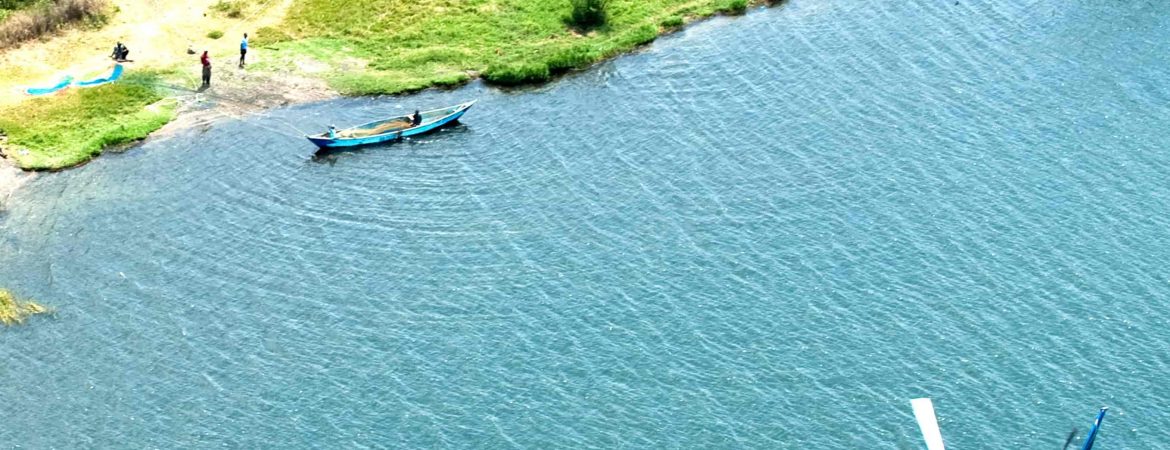
Lake Victoria Area
Lake Victoria Area
Lake Victoria Area: A Comprehensive Guide to Africa’s Largest Lake
Introduction
Lake Victoria, the largest lake in Africa and the second-largest freshwater lake in the world by surface area, is a natural wonder that spans across three countries: Tanzania, Uganda, and Kenya. Covering approximately 68,800 square kilometers, this vast body of water plays a crucial role in the region’s ecosystem, economy, and culture.
Geography of Lake Victoria
Location and Size
Lake Victoria is situated in East Africa and is bordered by three countries:
- Tanzania: Approximately 49% of the lake’s surface area.
- Uganda: Around 45% of the lake’s surface area.
- Kenya: Roughly 6% of the lake’s surface area.
The lake’s basin covers an area of about 193,000 square kilometers, making it a critical water resource for the surrounding regions. The lake is relatively shallow, with an average depth of 40 meters and a maximum depth of 83 meters. Despite its shallowness, Lake Victoria holds a significant volume of water due to its vast surface area.
Major Rivers and Islands
Several rivers feed into Lake Victoria, with the Kagera River being the largest inflow. The lake is also the source of the White Nile, which flows out from the northern part of the lake at Jinja, Uganda. Lake Victoria is home to numerous islands, with the Sesse Islands in Uganda being the most famous. These islands are known for their stunning landscapes and rich biodiversity.
Biodiversity of Lake Victoria
Flora and Fauna
Lake Victoria is renowned for its unique biodiversity, particularly its fish species. The lake is home to over 500 species of cichlid fish, many of which are endemic to the lake. However, the introduction of the Nile perch in the 1950s has drastically altered the lake’s ecosystem, leading to the decline of many native species.
Key Species in Lake Victoria:
- Nile Perch: A large predatory fish introduced to boost the fishing industry but has caused significant ecological damage.
- Tilapia: A commercially important fish species that is widely farmed and consumed.
- Cichlids: A diverse group of fish species, many of which are unique to Lake Victoria.
In addition to its rich aquatic life, the lake supports a variety of bird species, including the African fish eagle, kingfishers, and herons. The surrounding wetlands and forests are home to various mammals, reptiles, and amphibians, making the Lake Victoria area a biodiversity hotspot.
Environmental Challenges
Despite its ecological importance, Lake Victoria faces several environmental challenges, including:
- Pollution: Industrial waste, agricultural runoff, and untreated sewage have led to significant water pollution in the lake.
- Invasive Species: The introduction of non-native species, such as the Nile perch and water hyacinth, has disrupted the lake’s natural ecosystem.
- Overfishing: Unsustainable fishing practices have depleted fish stocks, threatening the livelihoods of local communities.
- Climate Change: Rising temperatures and changing rainfall patterns are affecting the water levels and biodiversity of the lake.
Efforts are being made to address these challenges through conservation initiatives, sustainable fishing practices, and pollution control measures.
Economic Significance of Lake Victoria
Fishing Industry
The fishing industry is the backbone of the Lake Victoria economy. The lake provides employment to millions of people in the region, particularly in the fishing and fish processing sectors. Nile perch and tilapia are the most commercially valuable fish species, with much of the catch exported to international markets.
However, the overexploitation of fish stocks has raised concerns about the long-term sustainability of the fishing industry. Governments and environmental organizations are working together to implement regulations that promote sustainable fishing practices and protect the lake’s biodiversity.
Agriculture and Irrigation
The fertile lands surrounding Lake Victoria are ideal for agriculture. The lake’s water is used for irrigation, supporting the cultivation of crops such as:
- Maize
- Rice
- Sugarcane
- Coffee
- Tea
Agriculture is a vital source of income for local communities, and the lake’s water resources are essential for maintaining food security in the region.
Transportation and Trade
Lake Victoria serves as a major transportation route for goods and people. Ferries and boats are commonly used to transport goods across the lake, connecting the three bordering countries. The lake also plays a crucial role in regional trade, facilitating the movement of agricultural products, fish, and other goods.
Tourism
Tourism is an emerging industry around Lake Victoria, with visitors attracted to the region’s natural beauty, wildlife, and cultural heritage. Popular tourist activities include:
- Boat tours: Exploring the lake’s islands and wildlife.
- Fishing trips: Catching Nile perch and tilapia.
- Wildlife safaris: Visiting nearby national parks and reserves, such as Serengeti National Park and Masai Mara.
- Cultural experiences: Learning about the traditions and customs of the local communities, including the Luo and Baganda people.
Environmental Conservation Efforts
Regional Cooperation
The three countries bordering Lake Victoria—Tanzania, Uganda, and Kenya—have recognized the need for regional cooperation to address the environmental challenges facing the lake. The Lake Victoria Basin Commission (LVBC) was established to promote sustainable development and environmental conservation in the lake’s basin. The commission works on various initiatives, including:
- Water quality monitoring
- Pollution control
- Biodiversity conservation
- Sustainable fishing practices
Community Involvement
Local communities play a crucial role in the conservation of Lake Victoria. Many organizations are working to raise awareness about the importance of protecting the lake’s ecosystem and promoting sustainable livelihoods. Community-based conservation projects, such as tree planting and wetland restoration, are helping to mitigate the environmental impacts of human activities.
Future Prospects for Lake Victoria
The future of Lake Victoria depends on the successful implementation of conservation measures and sustainable development practices. Key areas of focus include:
- Restoring fish populations: Through sustainable fishing practices and the protection of breeding areas.
- Reducing pollution: By improving waste management systems and promoting eco-friendly agricultural practices.
- Combating climate change: Through reforestation, wetland restoration, and the promotion of renewable energy sources.
With the right policies and cooperation between governments, local communities, and international organizations, Lake Victoria can continue to provide vital resources for the region while preserving its unique biodiversity.
FAQ
1. What countries border Lake Victoria?
Lake Victoria is bordered by Tanzania, Uganda, and Kenya. Tanzania holds the largest portion of the lake, followed by Uganda and Kenya.
2. What is the main economic activity around Lake Victoria?
The primary economic activity around Lake Victoria is fishing, particularly the harvesting of Nile perch and tilapia. Agriculture, transportation, and tourism are also important industries in the region.
3. What environmental challenges does Lake Victoria face?
Lake Victoria faces several environmental challenges, including pollution, invasive species, overfishing, and the impacts of climate change. These issues threaten the lake’s biodiversity and the livelihoods of local communities.
4. How is Lake Victoria important for transportation?
Lake Victoria serves as a major transportation route, with ferries and boats used to transport goods and people across the lake. It plays a crucial role in regional trade, connecting Tanzania, Uganda, and Kenya.
5. What efforts are being made to conserve Lake Victoria?
Conservation efforts around Lake Victoria include regional cooperation through the Lake Victoria Basin Commission (LVBC), community-based conservation projects, and initiatives to promote sustainable fishing practices and reduce pollution.
Conclusion
Lake Victoria is a vital natural resource for East Africa, providing water, food, and livelihoods to millions of people. However, the lake faces significant environmental challenges that require urgent action. Through regional cooperation, sustainable development, and community involvement, the future of Lake Victoria can be secured for generations to come.