
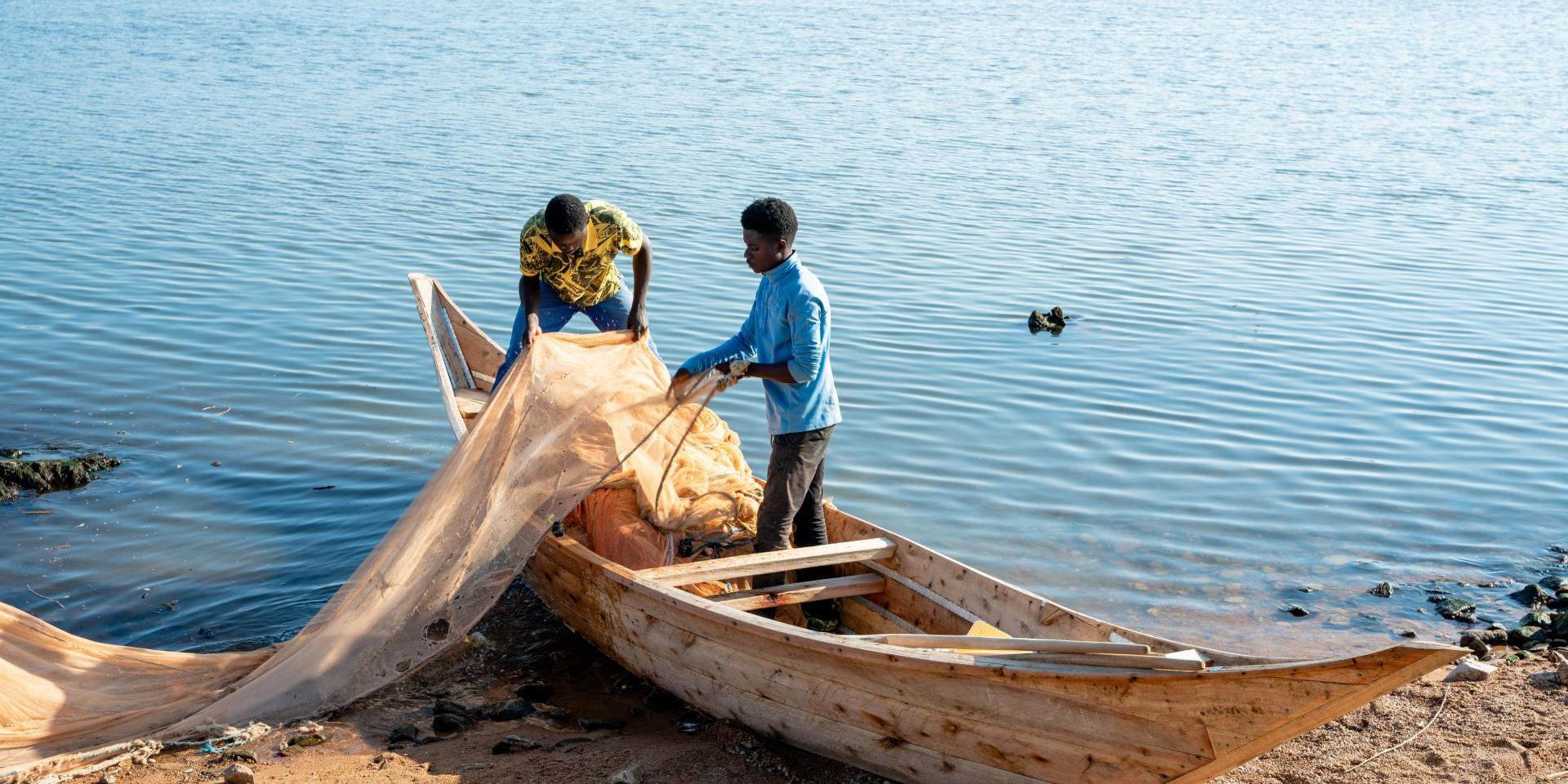
Lake Victoria Biodiversity
Lake Victoria Biodiversity
Lake Victoria Biodiversity: A Comprehensive Exploration
Introduction
Lake Victoria, the largest tropical lake in the world and the second-largest freshwater lake by surface area, is a biodiversity hotspot located in East Africa. Spanning across Tanzania, Uganda, and Kenya, the lake is home to a diverse array of species, many of which are endemic to its waters. However, this rich biodiversity is under threat due to various environmental and human factors. In this article, we will explore the unique biodiversity of Lake Victoria, the challenges it faces, and the efforts being made to conserve it.
The Unique Ecosystem of Lake Victoria
Lake Victoria’s ecosystem is incredibly diverse, supporting a wide range of aquatic and terrestrial species. The lake is home to over 500 species of fish, with the most famous being the cichlids, a group of small, colorful fish that have evolved into hundreds of different species within the lake. These fish are a prime example of adaptive radiation, where species evolve rapidly to fill different ecological niches.
Fish Species
- Cichlids: Lake Victoria is renowned for its cichlid population, which includes species like the Haplochromis. These fish have adapted to various environments within the lake, from rocky shores to open waters.
- Nile Perch: Introduced in the 1950s, the Nile Perch has had a significant impact on the lake’s ecosystem. While it has become a valuable commercial fish, it has also contributed to the decline of native species, particularly the cichlids.
- Tilapia: Another important species in Lake Victoria is tilapia, which is widely farmed and consumed in the region.
Plant Life
The shores of Lake Victoria are lined with various types of vegetation, including papyrus and water hyacinth. These plants play a crucial role in maintaining the health of the lake’s ecosystem by providing habitat for fish and other aquatic organisms, as well as filtering pollutants from the water.
- Papyrus: A tall, reed-like plant that grows in wetlands around the lake. It provides habitat for birds and other wildlife.
- Water Hyacinth: While beautiful, this invasive species has become a major problem in Lake Victoria, choking waterways and reducing oxygen levels in the water.
Threats to Lake Victoria’s Biodiversity
Despite its rich biodiversity, Lake Victoria faces numerous threats that are putting its ecosystem at risk. These threats are largely driven by human activity and environmental changes.
Overfishing
One of the most significant threats to Lake Victoria’s biodiversity is overfishing. The introduction of the Nile Perch, combined with unsustainable fishing practices, has led to a dramatic decline in native fish populations. Many species of cichlids, once abundant in the lake, are now endangered or extinct.
Pollution
Pollution is another major issue affecting Lake Victoria. Industrial waste, agricultural runoff, and untreated sewage are all contributing to the degradation of the lake’s water quality. This pollution not only harms aquatic life but also poses a threat to the millions of people who rely on the lake for drinking water and food.
- Industrial Waste: Factories around the lake discharge pollutants directly into the water, affecting fish and other aquatic organisms.
- Agricultural Runoff: Fertilizers and pesticides used in farming can wash into the lake, leading to eutrophication, a process where excess nutrients cause algae blooms that deplete oxygen levels.
- Sewage: Many communities around Lake Victoria lack proper sewage treatment facilities, leading to the direct discharge of waste into the lake.
Invasive Species
In addition to the Nile Perch, other invasive species, such as the water hyacinth, are threatening the biodiversity of Lake Victoria. These species outcompete native plants and animals, disrupting the natural balance of the ecosystem.
- Water Hyacinth: This fast-growing plant forms dense mats on the surface of the water, blocking sunlight and reducing oxygen levels, which can lead to fish kills.
- Nile Perch: While commercially valuable, the Nile Perch has decimated native fish populations, particularly the cichlids.
Climate Change
Climate change is also having a profound impact on Lake Victoria. Rising temperatures and changing rainfall patterns are affecting the lake’s water levels and temperature, which in turn affects the species that live there. Warmer water can lead to lower oxygen levels, making it more difficult for fish and other aquatic organisms to survive.
Conservation Efforts
Despite the challenges, there are numerous efforts underway to conserve the biodiversity of Lake Victoria. These efforts involve a combination of government initiatives, non-governmental organizations (NGOs), and local communities.
Fisheries Management
One of the key strategies for conserving Lake Victoria’s biodiversity is the implementation of sustainable fisheries management practices. This includes setting limits on the number of fish that can be caught, as well as protecting critical habitats where fish breed and grow.
- Fishing Regulations: Governments around Lake Victoria have introduced regulations to limit overfishing and protect endangered species.
- Fish Farming: Aquaculture, or fish farming, is being promoted as a sustainable alternative to wild fishing. This helps reduce pressure on the lake’s fish populations while providing a source of income for local communities.
Pollution Control
Efforts are also being made to reduce pollution in Lake Victoria. This includes improving waste management systems, promoting the use of environmentally friendly agricultural practices, and raising awareness about the importance of keeping the lake clean.
- Waste Management: Local governments are working to improve sewage treatment facilities and reduce the amount of waste entering the lake.
- Sustainable Agriculture: Farmers around Lake Victoria are being encouraged to use organic farming methods that reduce the use of harmful chemicals.
Invasive Species Control
Controlling invasive species is another important aspect of conservation efforts in Lake Victoria. This includes both mechanical removal of invasive plants, such as the water hyacinth, and biological control methods that use natural predators to keep invasive species in check.
- Water Hyacinth Removal: Various methods, including manual removal and the use of herbicides, are being used to control the spread of water hyacinth.
- Biological Control: In some cases, natural predators, such as insects that feed on invasive plants, are being introduced to help control their populations.
Climate Change Mitigation
Addressing the impacts of climate change on Lake Victoria requires both local and global efforts. Locally, communities are being encouraged to adopt practices that reduce their carbon footprint, such as using renewable energy sources and planting trees to absorb carbon dioxide.
- Renewable Energy: Solar and wind energy projects are being promoted as alternatives to fossil fuels in the region.
- Reforestation: Tree planting initiatives are helping to restore degraded landscapes and improve the resilience of ecosystems to climate change.
The Importance of Lake Victoria’s Biodiversity
The biodiversity of Lake Victoria is not only important for the health of the ecosystem but also for the millions of people who depend on the lake for their livelihoods. Fish from the lake provide a vital source of protein for local communities, while the lake itself supports industries such as tourism and transportation.
- Food Security: The fish in Lake Victoria are a critical source of food for millions of people in East Africa.
- Economic Value: The lake supports a thriving fishing industry, as well as tourism and transportation sectors.
- Cultural Significance: Lake Victoria holds cultural and spiritual significance for many of the communities that live around it.
Conclusion
Lake Victoria is a unique and valuable ecosystem that supports a wide range of species and provides essential resources for millions of people. However, its biodiversity is under threat from overfishing, pollution, invasive species, and climate change. By implementing sustainable practices and working to conserve the lake’s natural resources, we can help ensure that Lake Victoria remains a vibrant and thriving ecosystem for future generations.
FAQs
1. What is the most famous fish species in Lake Victoria?
The most famous fish species in Lake Victoria are the cichlids, a group of small, colorful fish that have evolved into hundreds of different species within the lake.
2. How has the introduction of the Nile Perch affected Lake Victoria’s biodiversity?
The introduction of the Nile Perch has led to the decline of many native fish species, particularly the cichlids, due to predation and competition for resources.
3. What are the main threats to Lake Victoria’s biodiversity?
The main threats to Lake Victoria’s biodiversity include overfishing, pollution, invasive species, and climate change.
4. What efforts are being made to conserve Lake Victoria’s biodiversity?
Efforts to conserve Lake Victoria’s biodiversity include sustainable fisheries management, pollution control, invasive species management, and climate change mitigation.
5. Why is Lake Victoria’s biodiversity important?
Lake Victoria’s biodiversity is important for maintaining the health of the ecosystem and providing essential resources, such as food and economic opportunities, for millions of people in East Africa.