
Lake Victoria Economy
Lake Victoria Economy
The Economy of Lake Victoria: A Comprehensive Analysis
Lake Victoria, the largest freshwater lake in Africa and the second-largest in the world, plays a pivotal role in the economy of the East African region. Spanning across three countries—Tanzania, Uganda, and Kenya—this vast water body is not only a source of livelihood for millions but also a significant contributor to the economic, social, and environmental dynamics of the region. In this article, we will delve into the various aspects of Lake Victoria’s economy, highlighting its importance, challenges, and future prospects.
The Economic Importance of Lake Victoria
Lake Victoria is a vital economic hub for the East African region. Its resources support a wide range of economic activities, including:
- Fishing Industry: The lake is home to a rich diversity of fish species, with the Nile perch being the most commercially valuable. Fishing is a primary source of income for many communities living around the lake.
- Agriculture: The fertile lands surrounding the lake provide ideal conditions for agriculture, with crops such as maize, bananas, and sugarcane being cultivated extensively.
- Transportation: Lake Victoria serves as a key transportation route, facilitating trade between the three bordering countries. Ferries and boats are commonly used to transport goods and people across the lake.
- Tourism: The lake’s scenic beauty and biodiversity attract tourists from around the world, contributing to the local economy through eco-tourism and recreational activities.
Fishing Industry: The Backbone of the Lake Victoria Economy
The fishing industry is the most significant economic activity in the Lake Victoria basin. The lake provides employment to over 200,000 people directly involved in fishing and supports millions more through related industries such as fish processing, transportation, and trade.
Key Fish Species
- Nile Perch: Introduced in the 1950s, the Nile perch has become the most commercially valuable fish species in Lake Victoria. It is exported to international markets, particularly in Europe, generating substantial foreign exchange for the region.
- Tilapia: Another important fish species, tilapia, is widely consumed locally and is a staple food for many communities around the lake.
- Dagaa (Silver Cyprinid): This small fish is primarily used for local consumption and as animal feed. It plays a crucial role in food security for the region.
The fishing industry faces several challenges, including overfishing, pollution, and the introduction of invasive species. Efforts are being made to promote sustainable fishing practices and protect the lake’s ecosystem.
Agriculture Around Lake Victoria
The fertile soils around Lake Victoria make the region ideal for agriculture. Farming is a major economic activity, with crops such as:
- Maize
- Bananas
- Sugarcane
- Coffee
- Tea
These crops are not only consumed locally but also exported to international markets, contributing to the region’s economic growth. The proximity to the lake provides a reliable source of water for irrigation, making agriculture a year-round activity.
Transportation and Trade
Lake Victoria is a crucial transportation hub for the East African region. The lake connects the three bordering countries—Tanzania, Uganda, and Kenya—facilitating trade and the movement of goods and people. Key transportation routes include:
- Ferries: Regular ferry services operate between major ports such as Kisumu (Kenya), Mwanza (Tanzania), and Entebbe (Uganda).
- Boats: Smaller boats are used for local transportation and fishing activities.
- Ports: The ports around Lake Victoria play a vital role in the export of goods such as fish, agricultural products, and minerals.
The development of infrastructure around the lake, including roads and railways, has further enhanced trade and economic integration in the region.
Tourism: A Growing Sector
Lake Victoria’s natural beauty and rich biodiversity make it a popular destination for tourists. The lake is home to several national parks and wildlife reserves, including:
- Murchison Falls National Park (Uganda)
- Rubondo Island National Park (Tanzania)
- Ruma National Park (Kenya)
Tourists are drawn to the lake for activities such as:
- Wildlife Safaris
- Bird Watching
- Fishing Expeditions
- Boat Tours
The tourism sector provides employment opportunities for local communities and generates revenue for the region. However, the potential of eco-tourism around Lake Victoria remains largely untapped, and there is room for growth in this sector.
Environmental Challenges Facing Lake Victoria
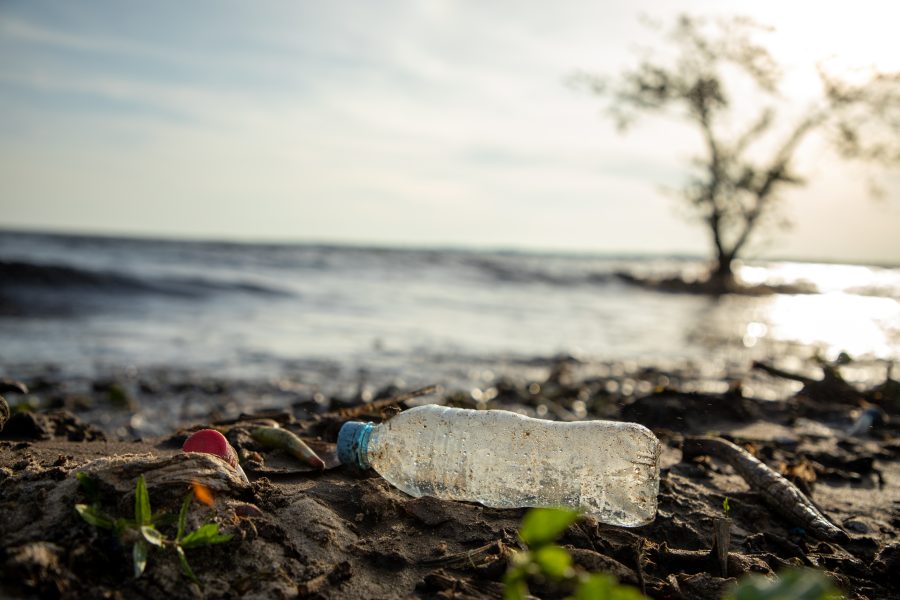
Despite its economic importance, Lake Victoria faces several environmental challenges that threaten its sustainability. These include:
- Pollution: Industrial waste, agricultural runoff, and untreated sewage are major sources of pollution in the lake. This has led to the degradation of water quality and the loss of biodiversity.
- Overfishing: The high demand for fish, particularly Nile perch, has led to overfishing, threatening the long-term viability of the fishing industry.
- Invasive Species: The introduction of invasive species such as the water hyacinth has disrupted the lake’s ecosystem, choking waterways and affecting fishing and transportation.
- Climate Change: Changes in rainfall patterns and rising temperatures have impacted water levels in the lake, affecting both agriculture and fishing.
Efforts are being made to address these challenges through initiatives such as:
- Sustainable Fishing Practices
- Pollution Control Measures
- Invasive Species Management
- Climate Change Adaptation Strategies
The Future of Lake Victoria’s Economy
The future of Lake Victoria’s economy depends on the sustainable management of its resources. Key areas for future development include:
- Aquaculture: The development of fish farming could help reduce pressure on wild fish stocks and provide a sustainable source of income for local communities.
- Eco-Tourism: There is significant potential for the growth of eco-tourism around Lake Victoria, particularly in wildlife conservation and cultural tourism.
- Infrastructure Development: Continued investment in transportation and trade infrastructure will enhance economic integration and boost trade between the bordering countries.
- Environmental Conservation: Protecting the lake’s ecosystem is crucial for the long-term sustainability of its economy. This includes addressing pollution, overfishing, and the impacts of climate change.
Frequently Asked Questions (FAQ)
1. What is the main economic activity around Lake Victoria?
The main economic activity around Lake Victoria is fishing, particularly the harvesting of Nile perch, tilapia, and dagaa. The lake also supports agriculture, transportation, and tourism.
2. How does Lake Victoria contribute to the economy of East Africa?
Lake Victoria contributes to the economy of East Africa by providing employment in the fishing industry, supporting agriculture, facilitating trade and transportation, and attracting tourists.
3. What are the environmental challenges facing Lake Victoria?
Lake Victoria faces several environmental challenges, including pollution, overfishing, invasive species, and the impacts of climate change.
4. How can the economy of Lake Victoria be made more sustainable?
The economy of Lake Victoria can be made more sustainable through the promotion of sustainable fishing practices, pollution control, the development of aquaculture, and investment in eco-tourism.
5. What is the potential for tourism around Lake Victoria?
There is significant potential for tourism around Lake Victoria, particularly in eco-tourism and wildlife conservation. The lake’s natural beauty and biodiversity make it an attractive destination for tourists.
Conclusion
Lake Victoria is a vital economic resource for East Africa, supporting millions of people through fishing, agriculture, transportation, and tourism. However, the lake faces significant environmental challenges that threaten its sustainability. By promoting sustainable practices and investing in infrastructure and eco-tourism, the region can ensure that Lake Victoria continues to be a source of prosperity for future generations.