
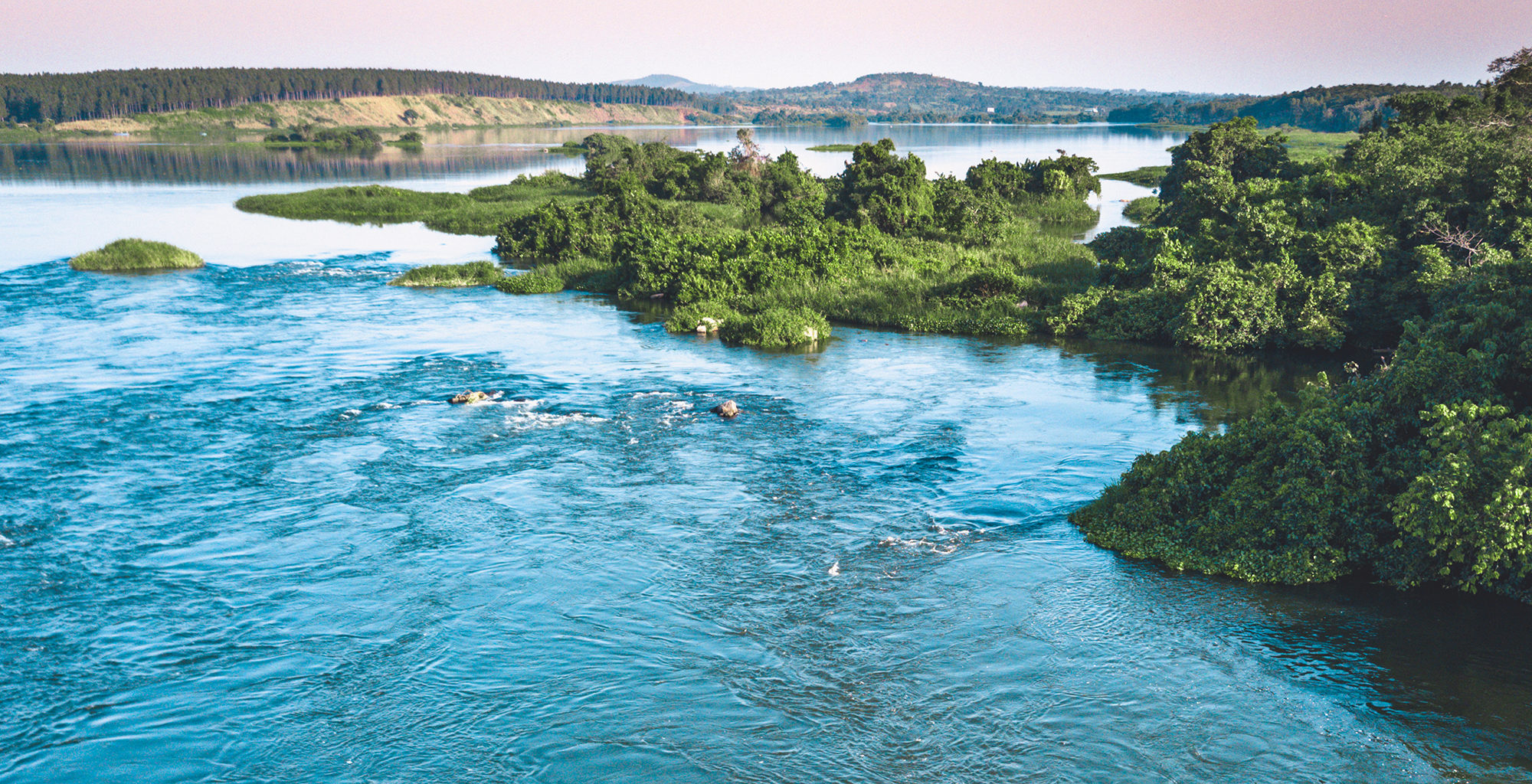
Lake Victoria History
Lake Victoria History
The Fascinating History of Lake Victoria
Introduction
Lake Victoria, the largest lake in Africa and the second-largest freshwater lake in the world by surface area, holds a significant place in both the natural world and human history. Spanning across three countries—Tanzania, Uganda, and Kenya—this majestic body of water has been a source of life, culture, and commerce for centuries. But how did Lake Victoria come to be, and what role has it played in the history of the region?
In this comprehensive article, we will dive deep into the history of Lake Victoria, exploring its geological formation, its discovery by European explorers, and its role in the development of civilizations around its shores. We will also examine the ecological and environmental challenges the lake has faced over time, as well as its importance in modern-day Africa.
Geological Formation of Lake Victoria
Lake Victoria is relatively young in geological terms, having formed around 400,000 years ago. It lies in a shallow depression between the Western and Eastern branches of the East African Rift System, a tectonic plate boundary that has been slowly pulling apart over millions of years. The lake’s formation is closely tied to the tectonic activity in the region, which has shaped much of East Africa’s landscape.
The Rift Valley and Lake Formation
The East African Rift is one of the most significant geological features in Africa. As the African continent slowly splits apart, it creates rift valleys, which are deep depressions in the Earth’s crust. Lake Victoria, however, did not form directly in the rift. Instead, it is located in a basin between the two branches of the rift, which allowed water to accumulate and form the lake.
Climatic Changes and Water Levels
Over the millennia, Lake Victoria’s water levels have fluctuated dramatically due to climatic changes. During periods of intense drought, the lake has even dried up completely, only to refill during wetter times. These fluctuations have had a profound impact on the ecosystems and human populations around the lake.
The Discovery of Lake Victoria by Europeans
Although Lake Victoria had been known to local African communities for centuries, it was not “discovered” by Europeans until the mid-19th century. The first European to set eyes on the lake was British explorer John Hanning Speke in 1858. Speke was on an expedition to find the source of the Nile, and when he reached the southern shores of Lake Victoria, he believed he had found it.
The Search for the Source of the Nile
For centuries, the source of the Nile River had been one of the greatest geographical mysteries. Ancient civilizations, including the Egyptians and Greeks, had speculated about its origins, but no one had been able to pinpoint the exact source. Speke’s discovery of Lake Victoria was a major breakthrough in the quest to solve this mystery.
Speke’s Expedition and Controversy
Speke named the lake after Queen Victoria of England, and his discovery was celebrated in Europe. However, his claim that Lake Victoria was the source of the Nile was met with skepticism by some, including fellow explorer Richard Francis Burton, who had accompanied Speke on part of the journey. The controversy over the true source of the Nile would continue for several more years, but Speke’s discovery remains a pivotal moment in the history of African exploration.
The Role of Lake Victoria in African Civilizations
Long before European explorers arrived, Lake Victoria was a vital resource for the African communities that lived around its shores. The lake provided water, food, and transportation, and it played a central role in the development of several powerful kingdoms and civilizations.
The Buganda Kingdom
One of the most prominent civilizations in the Lake Victoria region was the Buganda Kingdom, which emerged in what is now Uganda. The Buganda people relied on the lake for fishing and agriculture, and they used its waters to transport goods and people. The kingdom grew in power and influence, eventually becoming one of the most dominant forces in East Africa.
Trade and Commerce
Lake Victoria also served as a hub for trade and commerce. The communities around the lake engaged in trade with each other, as well as with distant regions. Goods such as fish, salt, and agricultural products were exchanged, and the lake facilitated the movement of people and ideas.
Ecological and Environmental Challenges
Despite its importance, Lake Victoria has faced numerous ecological and environmental challenges over the years. Human activity, including overfishing, pollution, and the introduction of invasive species, has had a significant impact on the lake’s ecosystem.
The Introduction of the Nile Perch
One of the most devastating events in the history of Lake Victoria’s ecosystem was the introduction of the Nile perch in the 1950s. This predatory fish was introduced to boost the lake’s fishing industry, but it had unintended consequences. The Nile perch quickly became the dominant species in the lake, decimating the populations of native fish species and disrupting the delicate balance of the ecosystem.
Pollution and Overfishing
In addition to the Nile perch, pollution and overfishing have also taken a toll on Lake Victoria. Industrial waste, agricultural runoff, and untreated sewage have all contributed to the degradation of the lake’s water quality. Overfishing, driven by the demand for fish both locally and internationally, has further strained the lake’s resources.
Lake Victoria in Modern Times
Today, Lake Victoria remains a vital resource for the millions of people who live around its shores. It continues to support fishing, agriculture, and transportation, and it plays a key role in the economies of Tanzania, Uganda, and Kenya. However, the lake’s future is uncertain, as it faces ongoing environmental challenges and the pressures of a growing population.
Efforts to Protect and Restore the Lake
In recent years, there have been efforts to protect and restore Lake Victoria’s ecosystem. Governments, NGOs, and local communities have been working together to address issues such as pollution, overfishing, and the spread of invasive species. While progress has been made, much work remains to be done to ensure the long-term health of the lake.
The Lake Victoria Basin Commission
One of the key organizations involved in the preservation of Lake Victoria is the Lake Victoria Basin Commission (LVBC). Established by the East African Community, the LVBC works to promote sustainable development in the Lake Victoria Basin, with a focus on environmental conservation, economic growth, and social well-being.
Conclusion
Lake Victoria is not only a natural wonder but also a historical and cultural treasure. From its geological formation to its role in African civilizations and its discovery by European explorers, the lake has played a central role in shaping the history of East Africa. However, it is also a lake under threat, facing numerous environmental challenges that require urgent attention.
As we look to the future, it is essential that we continue to protect and preserve Lake Victoria for the millions of people who depend on it. By working together, we can ensure that this magnificent lake remains a source of life and prosperity for generations to come.
FAQ
1. What is the significance of Lake Victoria in African history?
Lake Victoria has been a vital resource for African civilizations for centuries. It supported the development of powerful kingdoms like the Buganda and served as a hub for trade and commerce.
2. Who discovered Lake Victoria?
Lake Victoria was first “discovered” by European explorer John Hanning Speke in 1858 during his quest to find the source of the Nile River.
3. What are the main environmental challenges facing Lake Victoria?
Lake Victoria faces several environmental challenges, including pollution, overfishing, and the introduction of invasive species like the Nile perch.
4. How did Lake Victoria form?
Lake Victoria formed around 400,000 years ago in a shallow depression between the Western and Eastern branches of the East African Rift System.
5. What efforts are being made to protect Lake Victoria?
Organizations like the Lake Victoria Basin Commission are working to promote sustainable development and environmental conservation in the Lake Victoria Basin.