
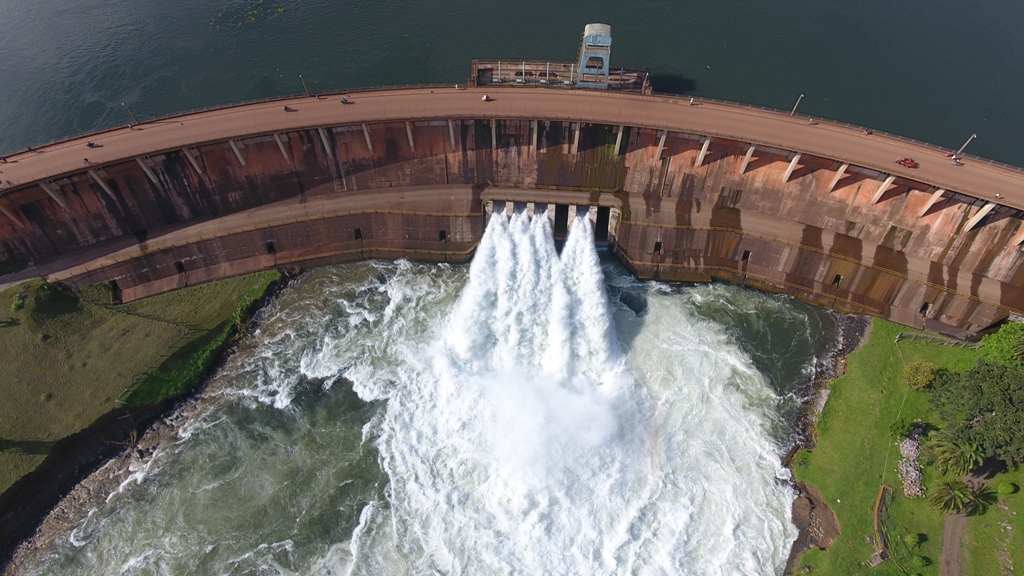
Lake Victoria Hydropower
Lake Victoria Hydropower
Lake Victoria Hydropower: A Comprehensive Insight into Africa’s Renewable Energy Source
Lake Victoria, the largest lake in Africa and the second-largest freshwater lake in the world, plays a pivotal role in the region’s economy, ecosystem, and energy production. Among its many contributions, hydropower generation stands out as a significant source of renewable energy for the surrounding countries. This article delves deep into the Lake Victoria hydropower projects, their impact on the region, and their potential for future growth.
The Importance of Lake Victoria in Africa
Geographical Significance
Lake Victoria spans three East African countries: Uganda, Kenya, and Tanzania. Its vast surface area of 68,800 square kilometers makes it a crucial water resource for millions of people. The lake also feeds into the Nile River, which is the longest river in the world, further enhancing its importance in the region.
Economic Impact
The lake supports a thriving fishing industry, providing livelihoods for millions of people. Additionally, it is a key transportation route, facilitating trade between the bordering countries. However, one of the most critical roles Lake Victoria plays is in hydropower generation, which is essential for meeting the growing energy demands of East Africa.
Hydropower Potential of Lake Victoria
Existing Hydropower Projects
Lake Victoria’s hydropower potential has been harnessed primarily through the Owen Falls Dam, located near Jinja in Uganda. This dam, which was completed in 1954, initially generated 150 MW of electricity. Over the years, it has been expanded and upgraded, and today, it produces over 380 MW, making it one of the largest hydropower stations in East Africa.
Other notable hydropower projects in the region include:
- Kiira Power Station: An extension of the Owen Falls Dam, adding an additional 200 MW of capacity.
- Bujagali Hydropower Station: Located downstream from the Owen Falls Dam, this project generates 250 MW of electricity.
- Isimba Hydropower Station: Another major project on the Nile River, generating 183 MW of electricity.
These projects have significantly boosted Uganda’s energy capacity, with much of the electricity being exported to neighboring countries like Kenya and Tanzania.
Future Hydropower Projects
The potential for further hydropower development around Lake Victoria is immense. Several projects are in the planning stages, including:
- Karuma Hydropower Project: Expected to generate 600 MW, this project is currently under construction and will be one of the largest in the region.
- Ayago Hydropower Project: With a planned capacity of 840 MW, this project will further enhance Uganda’s position as a major energy producer in East Africa.
These projects are part of a broader strategy to increase the region’s reliance on renewable energy sources, reducing dependence on fossil fuels and contributing to global efforts to combat climate change.
Environmental and Social Impacts of Hydropower
Positive Impacts
Hydropower is a clean and renewable energy source, making it an attractive option for countries looking to reduce their carbon footprint. The projects around Lake Victoria have helped to:
- Reduce greenhouse gas emissions by replacing fossil fuel-based power generation.
- Provide reliable electricity to millions of people, improving living standards and supporting economic growth.
- Create jobs during the construction and operation of hydropower plants.
Challenges and Concerns
Despite the many benefits, there are also challenges associated with hydropower development around Lake Victoria. Some of the key concerns include:
- Environmental degradation: The construction of dams can disrupt ecosystems, affecting fish populations and other wildlife. This is particularly concerning in Lake Victoria, which is already facing environmental pressures from pollution and overfishing.
- Displacement of communities: Large-scale hydropower projects often require the relocation of communities living near the dam sites. This can lead to social and economic disruptions for those affected.
- Water management issues: The regulation of water flow for hydropower generation can impact downstream water availability, affecting agriculture and other industries that rely on the Nile River.
The Role of Hydropower in Africa’s Energy Future
Meeting Growing Energy Demand
Africa’s energy demand is expected to grow significantly in the coming decades, driven by population growth and economic development. Hydropower will play a crucial role in meeting this demand, particularly in East Africa, where Lake Victoria and the Nile River offer abundant potential for energy generation.
Integration with Other Renewable Energy Sources
While hydropower is a key component of Africa’s energy strategy, it is not the only solution. The region is also investing in other renewable energy sources, such as:
- Solar power: With abundant sunlight, East Africa is well-positioned to harness solar energy. Several large-scale solar projects are already underway, complementing the region’s hydropower capacity.
- Wind power: Wind energy is another growing sector in East Africa, particularly in Kenya, where the Lake Turkana Wind Power Project is one of the largest in Africa.
By integrating hydropower with other renewable energy sources, the region can create a more resilient and sustainable energy system.
Conclusion
Lake Victoria’s hydropower potential is a vital asset for East Africa, providing clean, renewable energy to millions of people. While there are challenges associated with hydropower development, the benefits far outweigh the drawbacks. As the region continues to invest in renewable energy, Lake Victoria will remain at the heart of East Africa’s energy strategy, helping to power economic growth and improve living standards for future generations.
FAQ: Lake Victoria Hydropower
1. What is the main source of hydropower in Lake Victoria?
The primary source of hydropower in Lake Victoria is the Owen Falls Dam (also known as the Nalubaale Power Station) located in Uganda. It has been expanded over the years and is supported by other projects like the Kiira and Bujagali power stations.
2. How does hydropower benefit the surrounding countries?
Hydropower provides a clean and renewable energy source for Uganda, Kenya, and Tanzania. It helps reduce reliance on fossil fuels, lowers greenhouse gas emissions, and supports economic growth by providing reliable electricity.
3. What are the environmental concerns associated with hydropower in Lake Victoria?
Some of the main environmental concerns include the disruption of ecosystems, particularly fish populations, and the potential for environmental degradation due to dam construction. Additionally, water management for hydropower can affect downstream industries like agriculture.
4. Are there any future hydropower projects planned for Lake Victoria?
Yes, several projects are in the pipeline, including the Karuma Hydropower Project (600 MW) and the Ayago Hydropower Project (840 MW). These projects will significantly increase the region’s energy capacity.
5. How does hydropower fit into Africa’s broader energy strategy?
Hydropower is a key component of Africa’s energy strategy, particularly in East Africa. It is being integrated with other renewable energy sources like solar and wind power to create a more sustainable and resilient energy system.