
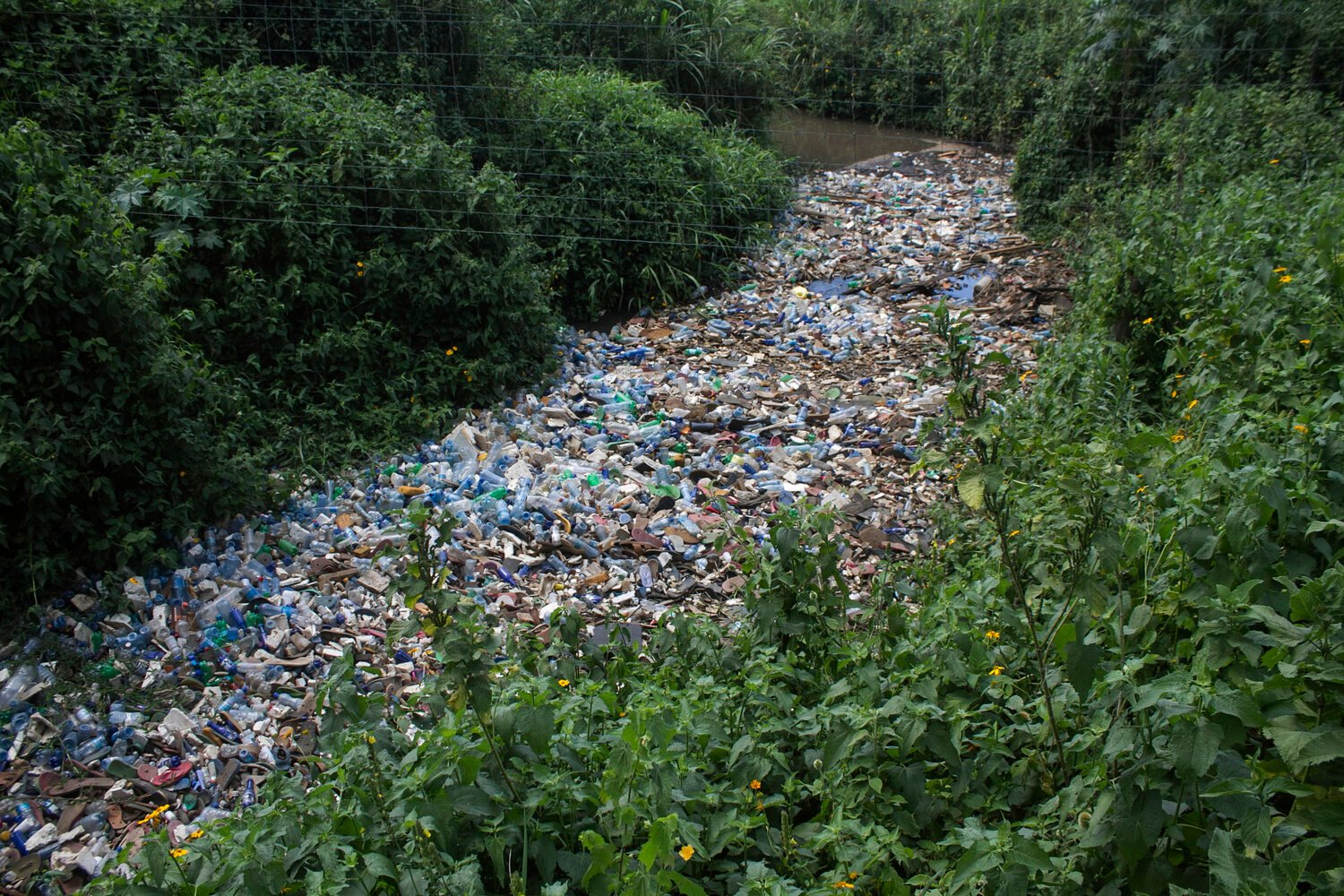
Lake Victoria Pollution
Lake Victoria Pollution
Lake Victoria Pollution: A Growing Environmental Crisis
Introduction
Lake Victoria, the largest lake in Africa and the second-largest freshwater lake in the world, is a vital resource for millions of people in East Africa. Spanning across three countries—Kenya, Uganda, and Tanzania—this lake supports a rich biodiversity, provides water for domestic and industrial use, and sustains the livelihoods of local communities through fishing and agriculture. However, in recent decades, Lake Victoria has faced a growing threat: pollution. The lake’s ecosystem is under immense pressure from human activities, leading to environmental degradation, loss of biodiversity, and health risks for the surrounding populations.
In this article, we will explore the causes and consequences of pollution in Lake Victoria, the efforts being made to combat it, and the urgent need for sustainable solutions. By the end, you will have a comprehensive understanding of this environmental crisis and the steps that must be taken to preserve this vital natural resource.
Causes of Pollution in Lake Victoria
Pollution in Lake Victoria is the result of a combination of factors, many of which are linked to rapid population growth, urbanization, and industrialization in the surrounding regions. Below are the main contributors to the lake’s pollution:
1. Industrial Waste
Industries located near Lake Victoria, particularly in urban centers such as Kisumu (Kenya), Kampala (Uganda), and Mwanza (Tanzania), discharge untreated or poorly treated waste into the lake. This industrial waste often contains harmful chemicals, heavy metals, and toxins that degrade water quality and harm aquatic life.
2. Agricultural Runoff
Agriculture is a major economic activity in the Lake Victoria Basin. However, the widespread use of chemical fertilizers and pesticides has led to the contamination of the lake through runoff. When it rains, these chemicals are washed into the lake, leading to nutrient pollution, which causes eutrophication—a process that depletes oxygen levels in the water and leads to the death of fish and other aquatic organisms.
3. Domestic Waste and Sewage
The rapid growth of cities and towns around Lake Victoria has outpaced the development of adequate waste management systems. As a result, untreated sewage and solid waste are often dumped directly into the lake. This not only contaminates the water but also poses serious health risks to the local population, as many people rely on the lake for drinking water.
4. Invasive Species
The introduction of invasive species, such as the Nile perch, has had a profound impact on the lake’s ecosystem. While not a direct form of pollution, the presence of invasive species has disrupted the natural balance of the lake, leading to the decline of native fish species and contributing to the overall degradation of the ecosystem.
5. Deforestation and Soil Erosion
Deforestation in the Lake Victoria Basin has led to increased soil erosion, with large amounts of sediment being washed into the lake during heavy rains. This sedimentation reduces water quality, disrupts aquatic habitats, and contributes to the shallowing of the lake.
Consequences of Lake Victoria Pollution
The pollution of Lake Victoria has far-reaching consequences, not only for the environment but also for the millions of people who depend on the lake for their livelihoods. Below are some of the most significant impacts:
1. Decline in Fish Populations
Lake Victoria was once home to a thriving fishing industry, with the Nile perch and tilapia being the most commercially valuable species. However, pollution has led to a sharp decline in fish populations, threatening the livelihoods of local fishermen and the food security of the region.
2. Public Health Risks
The contamination of Lake Victoria’s water with industrial waste, sewage, and agricultural chemicals poses serious health risks to the local population. Waterborne diseases such as cholera, dysentery, and typhoid are common in communities that rely on the lake for drinking water. In addition, the consumption of fish contaminated with heavy metals and toxins can lead to long-term health problems.
3. Loss of Biodiversity
Lake Victoria is home to a rich diversity of plant and animal species, many of which are now under threat due to pollution. The decline in water quality and the introduction of invasive species have led to the extinction of several native fish species, and the overall biodiversity of the lake is in decline.
4. Economic Impact
The pollution of Lake Victoria has had a significant economic impact on the region. The decline in fish populations has led to a reduction in fish exports, which are a major source of income for the surrounding countries. In addition, the degradation of the lake’s ecosystem has affected tourism, which is another important economic activity in the region.
Efforts to Combat Pollution in Lake Victoria
Despite the severity of the pollution problem in Lake Victoria, there are ongoing efforts to address the issue and restore the lake’s ecosystem. These efforts involve a combination of government initiatives, international partnerships, and grassroots movements.
1. Government Regulations
The governments of Kenya, Uganda, and Tanzania have implemented various regulations aimed at reducing pollution in Lake Victoria. These include stricter controls on industrial waste disposal, the promotion of sustainable agricultural practices, and the development of waste management infrastructure in urban areas.
2. International Partnerships
Several international organizations and donor agencies are working with the governments of the Lake Victoria Basin to combat pollution. For example, the Lake Victoria Environmental Management Project (LVEMP), funded by the World Bank, aims to improve water quality, restore biodiversity, and promote sustainable development in the region.
3. Community-Based Initiatives
Local communities around Lake Victoria are also playing a crucial role in the fight against pollution. Grassroots organizations are working to raise awareness about the importance of environmental conservation, promote sustainable fishing practices, and advocate for better waste management systems.
4. Research and Monitoring
Ongoing research and monitoring efforts are essential for understanding the extent of pollution in Lake Victoria and developing effective solutions. Scientists are studying the sources and impacts of pollution, as well as the effectiveness of various mitigation strategies, to inform policy decisions and guide future conservation efforts.
The Urgent Need for Sustainable Solutions
While progress has been made in addressing pollution in Lake Victoria, much more needs to be done to ensure the long-term health of the lake and the communities that depend on it. Sustainable solutions must be implemented at both the local and regional levels to reduce pollution, restore biodiversity, and promote economic development.
1. Strengthening Waste Management Systems
One of the most urgent priorities is the development of effective waste management systems in the cities and towns around Lake Victoria. This includes the construction of sewage treatment plants, the promotion of recycling and waste reduction programs, and the enforcement of regulations on industrial waste disposal.
2. Promoting Sustainable Agriculture
To reduce agricultural runoff, farmers in the Lake Victoria Basin must adopt more sustainable practices, such as the use of organic fertilizers, crop rotation, and agroforestry. Governments and international organizations can support these efforts by providing training and financial incentives to farmers.
3. Protecting Forests and Wetlands
The protection of forests and wetlands in the Lake Victoria Basin is essential for reducing soil erosion and sedimentation in the lake. Reforestation programs, the establishment of protected areas, and the enforcement of laws against illegal logging can all contribute to the preservation of these critical ecosystems.
4. Enhancing Public Awareness
Public awareness campaigns are crucial for encouraging individuals and communities to take action to protect Lake Victoria. By educating people about the causes and consequences of pollution, as well as the steps they can take to reduce their environmental impact, these campaigns can help foster a culture of environmental stewardship.
Conclusion
Lake Victoria is facing a serious environmental crisis due to pollution, but it is not too late to reverse the damage. By addressing the root causes of pollution and implementing sustainable solutions, we can restore the health of this vital ecosystem and ensure that it continues to provide for future generations. The responsibility lies with governments, international organizations, local communities, and individuals to take action and protect Lake Victoria from further degradation.
Frequently Asked Questions (FAQ)
1. What are the main causes of pollution in Lake Victoria?
The main causes of pollution in Lake Victoria include industrial waste, agricultural runoff, domestic waste and sewage, invasive species, and deforestation. These factors have led to the degradation of water quality and the decline of the lake’s ecosystem.
2. How does pollution affect the fish population in Lake Victoria?
Pollution, particularly from agricultural runoff and industrial waste, has led to a decline in fish populations in Lake Victoria. Eutrophication, caused by nutrient pollution, depletes oxygen levels in the water, making it difficult for fish to survive.
3. What health risks are associated with pollution in Lake Victoria?
The pollution of Lake Victoria poses serious health risks to the local population, including waterborne diseases such as cholera, dysentery, and typhoid. In addition, the consumption of fish contaminated with heavy metals and toxins can lead to long-term health problems.
4. What efforts are being made to combat pollution in Lake Victoria?
Efforts to combat pollution in Lake Victoria include government regulations, international partnerships, community-based initiatives, and ongoing research and monitoring. These efforts aim to reduce pollution, restore biodiversity, and promote sustainable development in the region.
5. What can individuals do to help protect Lake Victoria?
Individuals can help protect Lake Victoria by reducing their environmental impact, supporting sustainable agriculture and fishing practices, participating in local conservation efforts, and raising awareness about the importance of protecting the lake’s ecosystem.