
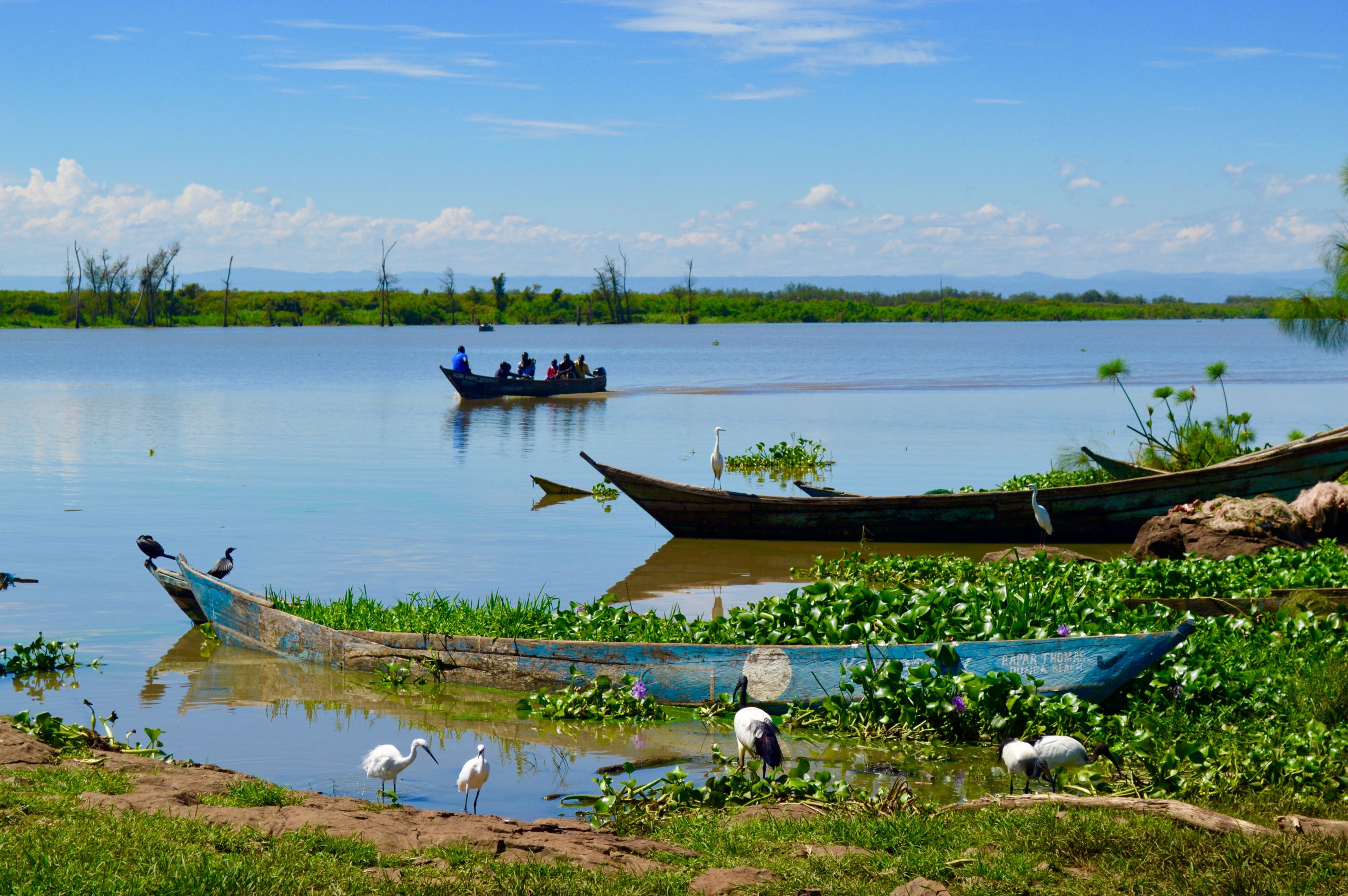
Lake Victoria Wetlands
Lake Victoria Wetlands
Lake Victoria Wetlands: A Vital Ecosystem in East Africa
Introduction
Lake Victoria, the largest lake in Africa and the second-largest freshwater lake in the world, is a vital natural resource for the East African region. Its wetlands, which surround the lake, play a crucial role in maintaining the ecological balance of the area. These wetlands are not only important for biodiversity but also provide essential services to the local communities, including water filtration, flood control, and support for agriculture and fisheries.
In this article, we will explore the significance of the Lake Victoria wetlands, their ecological importance, the challenges they face, and the efforts being made to conserve them. We will also delve into the economic and social benefits of these wetlands to the surrounding communities.
The Ecological Importance of Lake Victoria Wetlands
Biodiversity Hotspot
The wetlands around Lake Victoria are home to a rich diversity of plant and animal species. These wetlands provide habitat for numerous bird species, including migratory birds, as well as fish, amphibians, and reptiles. Some of the species found in these wetlands are endemic, meaning they are not found anywhere else in the world.
- Bird Species: The wetlands are a haven for birdwatchers, as they host a variety of bird species, including the African fish eagle, herons, and kingfishers.
- Fish Species: The wetlands support the breeding and nursery grounds for many fish species, including the famous Nile perch, which is a significant source of income for local fishermen.
- Plant Species: The wetlands are rich in aquatic plants, such as papyrus and water hyacinth, which provide shelter and food for many animals.
Water Filtration and Purification
One of the most critical functions of the Lake Victoria wetlands is water filtration. The wetlands act as natural filters, trapping sediments, pollutants, and excess nutrients from the surrounding land before they enter the lake. This process helps to maintain the water quality of Lake Victoria, which is essential for the survival of aquatic life and the health of the local communities that rely on the lake for drinking water.
Flood Control
The wetlands around Lake Victoria also play a vital role in flood control. During the rainy season, the wetlands absorb excess water, reducing the risk of flooding in the surrounding areas. This natural flood control mechanism is essential for protecting agricultural lands and human settlements from the devastating effects of floods.
Carbon Sequestration
Wetlands are known to be significant carbon sinks, and the Lake Victoria wetlands are no exception. The plants in these wetlands, particularly the papyrus, absorb carbon dioxide from the atmosphere and store it in their biomass. This process helps to mitigate the effects of climate change by reducing the amount of carbon dioxide in the atmosphere.
Economic and Social Benefits of Lake Victoria Wetlands
Fisheries and Livelihoods
The wetlands around Lake Victoria are crucial for the local economy, particularly for the fishing industry. The lake’s fisheries provide employment and income for thousands of people living in the surrounding areas. The wetlands serve as breeding grounds for fish, ensuring the sustainability of the fish populations in the lake.
In addition to fishing, the wetlands support other livelihoods, such as agriculture and tourism. The fertile soils in the wetlands are ideal for growing crops, while the rich biodiversity attracts tourists, particularly birdwatchers and nature enthusiasts.
Agriculture
The Lake Victoria wetlands provide fertile land for agriculture, particularly for the cultivation of crops such as rice, maize, and vegetables. The wetlands’ ability to retain water makes them ideal for irrigation, especially during the dry season. This agricultural activity not only provides food for the local communities but also contributes to the region’s economy.
Tourism
The rich biodiversity and scenic beauty of the Lake Victoria wetlands make them a popular destination for tourists. Birdwatching, in particular, is a significant attraction, as the wetlands are home to many rare and migratory bird species. Ecotourism initiatives in the region aim to promote sustainable tourism that benefits both the environment and the local communities.
Challenges Facing Lake Victoria Wetlands
Pollution
One of the most significant threats to the Lake Victoria wetlands is pollution. Industrial waste, agricultural runoff, and untreated sewage are major sources of pollution in the lake and its surrounding wetlands. These pollutants not only degrade water quality but also harm the biodiversity of the wetlands.
- Industrial Waste: Factories and industries around the lake discharge untreated waste into the wetlands, introducing harmful chemicals and heavy metals into the ecosystem.
- Agricultural Runoff: The use of fertilizers and pesticides in agriculture leads to nutrient pollution in the wetlands, causing algal blooms and the proliferation of invasive species such as water hyacinth.
- Sewage: Many towns and cities around Lake Victoria lack proper sewage treatment facilities, leading to the discharge of untreated sewage into the wetlands.
Invasive Species
The introduction of invasive species, particularly the water hyacinth, has had a devastating impact on the Lake Victoria wetlands. Water hyacinth grows rapidly, forming dense mats that block sunlight and reduce oxygen levels in the water. This affects the survival of native plant and animal species and disrupts the ecosystem’s balance.
Climate Change
Climate change poses a significant threat to the Lake Victoria wetlands. Rising temperatures and changing rainfall patterns are affecting the water levels in the lake and its wetlands. Prolonged droughts can lead to the drying up of wetlands, while increased rainfall can cause flooding, both of which have negative impacts on the ecosystem.
Overfishing
Overfishing in Lake Victoria has led to a decline in fish populations, particularly the Nile perch. This not only affects the livelihoods of local fishermen but also disrupts the ecological balance of the lake and its wetlands. Unsustainable fishing practices, such as the use of illegal nets, further exacerbate the problem.
Conservation Efforts
Wetland Restoration Projects
Several organizations and governments are working to restore the Lake Victoria wetlands through various conservation projects. These projects aim to rehabilitate degraded wetlands, remove invasive species, and promote sustainable land-use practices.
- Papyrus Restoration: One of the key restoration efforts involves replanting papyrus in degraded areas of the wetlands. Papyrus is a vital plant species in the wetlands, as it provides habitat for wildlife and helps to filter water.
- Invasive Species Control: Efforts are being made to control the spread of invasive species, particularly water hyacinth. This includes mechanical removal of the plants and the introduction of biological control agents, such as weevils, that feed on the water hyacinth.
Community Involvement
Local communities play a crucial role in the conservation of the Lake Victoria wetlands. Many conservation projects involve working with local communities to promote sustainable land-use practices and raise awareness about the importance of wetlands. Community-based organizations are also involved in monitoring the health of the wetlands and reporting any illegal activities, such as pollution or overfishing.
Policy and Legislation
Governments in the region have implemented policies and legislation aimed at protecting the Lake Victoria wetlands. These include regulations on pollution control, sustainable fishing practices, and the protection of endangered species. However, enforcement of these laws remains a challenge, and more efforts are needed to ensure compliance.
Conclusion
The Lake Victoria wetlands are a vital ecosystem that supports a rich diversity of plant and animal species, provides essential services to local communities, and contributes to the region’s economy. However, these wetlands face numerous challenges, including pollution, invasive species, climate change, and overfishing. Conservation efforts, including wetland restoration projects, community involvement, and policy enforcement, are crucial for ensuring the long-term survival of this important ecosystem.
By protecting the Lake Victoria wetlands, we can preserve not only the biodiversity of the region but also the livelihoods of the millions of people who depend on the lake and its wetlands for their survival.
FAQ
1. What is the importance of the Lake Victoria wetlands?
The Lake Victoria wetlands are important for biodiversity, water filtration, flood control, and carbon sequestration. They also support local livelihoods through fishing, agriculture, and tourism.
2. What are the main threats to the Lake Victoria wetlands?
The main threats to the Lake Victoria wetlands include pollution, invasive species, climate change, and overfishing.
3. How do the wetlands help in flood control?
The wetlands around Lake Victoria absorb excess water during the rainy season, reducing the risk of flooding in the surrounding areas.
4. What is being done to conserve the Lake Victoria wetlands?
Conservation efforts include wetland restoration projects, invasive species control, community involvement, and the implementation of policies and legislation aimed at protecting the wetlands.
5. How do the wetlands support local livelihoods?
The Lake Victoria wetlands support local livelihoods through fishing, agriculture, and tourism. The wetlands provide breeding grounds for fish, fertile land for crops, and attract tourists interested in birdwatching and nature.