
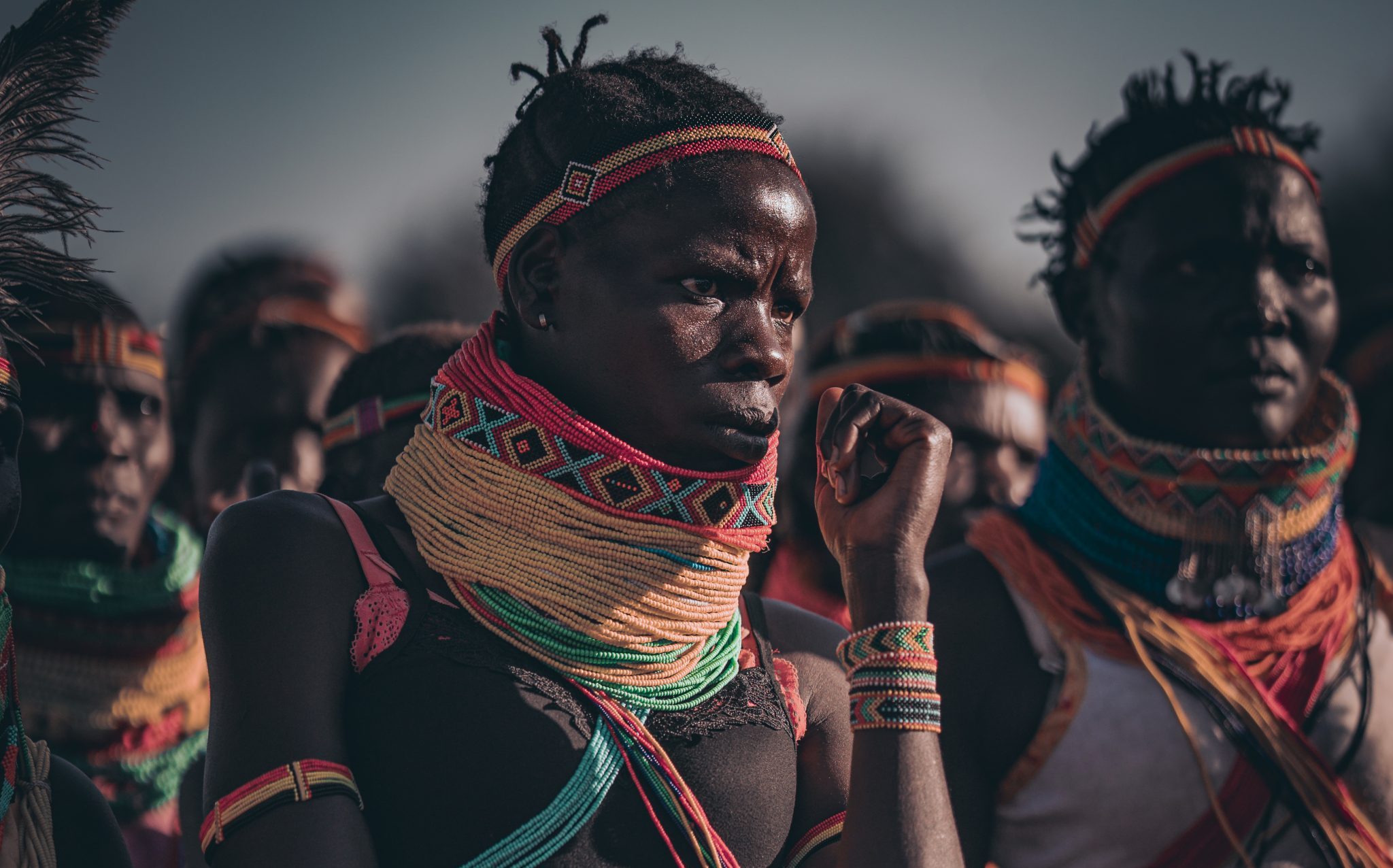
Learn Ngakarimojong
Learn Ngakarimojong
Learn Ngakarimojong: A Comprehensive Guide to Mastering the Language of Uganda’s Karamoja Region
Introduction: The Beauty and Significance of Ngakarimojong
Ngakarimojong, the language of the Karimojong people in northeastern Uganda, is more than a means of communication—it’s a living cultural treasure. Spoken primarily in the Karamoja sub-region, this Eastern Nilotic language belongs to the Ateker cluster, which includes Turkana, Toposa, and Jie. Learning Ngakarimojong offers a gateway into a rich oral tradition, a unique worldview, and a vibrant community with deep-rooted customs.
In this guide, we’ll explore the structure, vocabulary, pronunciation, and cultural context of Ngakarimojong. Whether you’re a linguist, traveler, humanitarian worker, or language enthusiast, this article will equip you with the tools and insights to begin your journey into one of East Africa’s most fascinating tongues.
Why Learn Ngakarimojong?
Learning Ngakarimojong is not just about acquiring a new linguistic skill—it’s about connecting with a resilient and proud people whose traditions have withstood centuries of change. Here are compelling reasons to learn this language:
- Cultural Immersion: Understand the customs, stories, and songs of the Karimojong people.
- Humanitarian Work: Communicate effectively in development or aid projects in the Karamoja region.
- Linguistic Diversity: Add a rare and underrepresented language to your linguistic repertoire.
- Academic Research: Explore the language for anthropological, linguistic, or sociological studies.
- Personal Enrichment: Gain a deeper appreciation for African languages and oral traditions.
The Linguistic Roots of Ngakarimojong
Ngakarimojong is part of the Eastern Nilotic branch of the Nilo-Saharan language family. It shares similarities with languages such as:
These languages form the Ateker cluster, characterized by shared vocabulary, grammar structures, and cultural expressions. Ngakarimojong itself is tonal and agglutinative, meaning that words are formed by stringing together morphemes (word parts) to express complex ideas.
Pronunciation and Phonetics
Ngakarimojong pronunciation is relatively straightforward but includes several unique sounds. Here are key phonetic features:
Vowels
Ngakarimojong has five basic vowels: a, e, i, o, u. These can be short or long, and vowel length can change the meaning of a word.
- a – as in “father”
- e – as in “bed”
- i – as in “machine”
- o – as in “more”
- u – as in “flute”
Consonants
The consonant system includes plosives (p, t, k), nasals (m, n), fricatives (s), and more. Some consonants may be pronounced with a slight glottal stop or aspiration.
Tonality
Tone is crucial in Ngakarimojong. A high or low tone can differentiate words that are otherwise spelled identically.
Example:
- ekitoí (tree)
- ekitoì (a different object or concept)
Basic Grammar and Sentence Structure
Ngakarimojong follows a Subject-Verb-Object (SVO) word order, similar to English. However, its agglutinative nature means that verbs often carry multiple affixes to indicate tense, aspect, mood, and subject agreement.
Nouns
Nouns are marked for number and gender. There are three noun classes:
- Masculine (ekit-)
- Feminine (ak-)
- Neutral/Plural (ng-)
Example:
- ekitabo – a book (masculine)
- akipi – a girl (feminine)
- ngikosi – people (plural)
Verbs
Verbs are conjugated to reflect:
- Subject pronouns
- Tense (past, present, future)
- Aspect (completed, ongoing)
- Mood (indicative, imperative)
Example:
- Akor – I go
- Ikor – You go
- Ekore – He/she goes
Pronouns
| English | Ngakarimojong |
|---|---|
| I | A |
| You | I |
| He/She | E |
| We | Ka |
| You (pl) | Ki |
| They | Eba |
Essential Vocabulary
Here’s a curated list of essential Ngakarimojong vocabulary to get you started:
Greetings
- Ejoka – Hello
- Ejok noi – Good morning
- Ejok abei – Good afternoon
- Ejok amun – Good evening
- Akiro – Goodbye
Common Phrases
- Akwap – Thank you
- Amiti – Please
- Ikoku? – How are you?
- Akorakin – I am fine
- Ngakipi – Children
Numbers
- Ateno – One
- Aare – Two
- Auni – Three
- Akwang – Four
- Ait – Five
Days of the Week
- Amon – Monday
- Aremet – Tuesday
- Akweny – Wednesday
- Aitwan – Thursday
- Akiporo – Friday
- Akimor – Saturday
- Akisab – Sunday
Cultural Nuances and Language Use
Understanding Ngakarimojong requires more than memorizing words—it demands cultural sensitivity. The Karimojong people are pastoralists with a strong oral tradition. Respect, age, and social roles are embedded in the way language is used.
Key Cultural Concepts
- Elders are revered: Use respectful forms when addressing older individuals.
- Community is central: Plural forms and inclusive pronouns are common.
- Oral storytelling: Proverbs, folktales, and songs are vital for teaching and preserving history.
Language in Context
- Ceremonial Speech: Used during weddings, funerals, and community gatherings.
- Negotiation Language: Important in cattle trading and conflict resolution.
- Songs and Chants: Integral to celebrations and rituals.
Resources for Learning Ngakarimojong
Due to its rarity, resources for learning Ngakarimojong are limited but growing. Here are some valuable tools and platforms:
Online Resources
- Omniglot – Karimojong Language
- Ethnologue – Karimojong
- YouTube Channels featuring native speakers and cultural content
Books and Publications
- “A Grammar of Karimojong” by Michael J. Walsh
- “Karimojong-English Dictionary” (local print editions)
- SIL International publications on Eastern Nilotic languages
Language Apps
- Custom flashcard apps (e.g., Anki) with user-generated decks
- Memrise (search for community-created Karimojong decks)
Community Learning
- Local NGOs and churches often offer language classes
- Immersion through volunteering or working in Karamoja
- Partnering with a native speaker for language exchange
Common Challenges and How to Overcome Them
Learning Ngakarimojong comes with unique challenges, but they can be overcome with the right strategies.
1. Limited Learning Materials
Solution: Create your own resources using recordings, notes, and community input. Use language documentation tools to build a personal database.
2. Tonal Complexity
Solution: Practice listening to native speakers. Record and mimic tonal differences. Use audio tools to visualize pitch.
3. Cultural Context
Solution: Engage with Karimojong culture through music, dance, and storytelling. Understanding context enhances language retention.
4. Lack of Formal Instruction
Solution: Seek mentorship from native speakers. Use WhatsApp or Zoom for regular practice sessions.
5. Motivation and Consistency
Solution: Set clear goals. Celebrate milestones. Join online forums or social media groups focused on African languages.
FAQ: Learning Ngakarimojong
1. Is Ngakarimojong difficult to learn?
Yes and no. It’s challenging due to its tonal nature and limited resources, but its grammar is logical, and immersion can accelerate learning.
2. How many people speak Ngakarimojong?
Approximately 370,000 people speak Ngakarimojong, primarily in Uganda’s Karamoja region. It is a vibrant, living language.
3. Can I learn Ngakarimojong online?
Yes, though resources are limited. Start with Omniglot, YouTube, and language exchange platforms.
4. What are the benefits of learning Ngakarimojong?
You gain cultural insight, connect with communities, and contribute to language preservation. It’s also a unique skill for humanitarian and academic work.
5. Are there dialects in Ngakarimojong?
Yes. Variations exist among sub-groups like the Jie and Dodoth, but mutual intelligibility is high.
Conclusion: Embracing the Language of the Karimojong
Learning Ngakarimojong is a rewarding journey into the heart of Uganda’s Karamoja region. It’s not just about words—it’s about worldview, resilience, and identity. By embracing this language, you become a bridge between cultures, a preserver of heritage, and a participant in one of Africa’s most compelling linguistic landscapes.
Whether you’re starting with basic greetings or diving into complex grammar, every word you learn is a step toward deeper understanding and meaningful connection.