
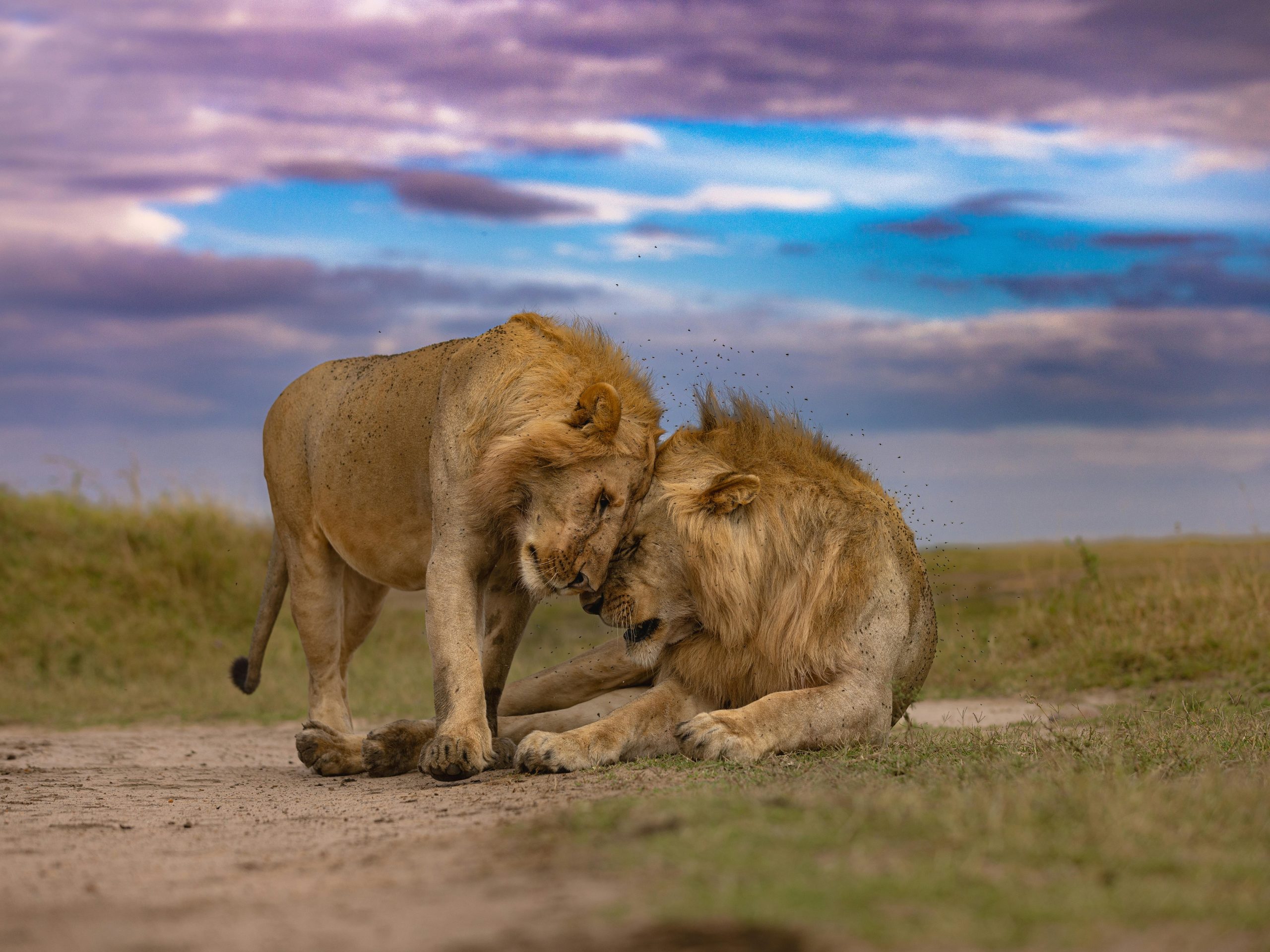
Lion Adaptations
Lion Adaptations
The Astonishing Adaptations of Lions: Nature’s Apex Predator Perfected
Lions, often hailed as the “King of the Jungle,” are among the most iconic and formidable predators on Earth. Their dominance in the wild is not merely due to their size or strength, but rather a culmination of evolutionary adaptations that have fine-tuned them into apex predators. In this comprehensive guide, we delve deep into the fascinating world of lion adaptations—physical, behavioral, and ecological—that enable them to thrive in some of the harshest environments on the planet.
Introduction to Lion Adaptations
Lions (Panthera leo) are native to the grasslands, savannas, and open woodlands of sub-Saharan Africa, with a small population in the Gir Forest of India. Their survival in these diverse and often unforgiving habitats is a testament to their remarkable evolutionary traits. These adaptations are not only physical but also behavioral and ecological, allowing lions to maintain their status as dominant carnivores.
Physical Adaptations
Muscular Build and Skeletal Structure
Lions possess a robust and muscular frame, designed for short bursts of speed and powerful takedowns. Their forelimbs are particularly strong, aiding in grappling and subduing prey. The skeletal structure supports their massive musculature, especially around the shoulders and neck, which is crucial during hunts.
Key Features:
- Strong pectoral and shoulder muscles
- Short, powerful limbs for sprinting
- Flexible spine for increased stride length
Teeth and Jaw Strength
The lion’s dentition is a marvel of predatory evolution. Their canine teeth can reach up to 10 cm in length, perfect for puncturing and gripping flesh. The carnassial teeth act like scissors, shearing meat efficiently.
Adaptations Include:
- Enlarged canines for killing prey
- Strong jaw muscles for bone-crushing bites
- Specialized molars for meat slicing
Vision and Night Hunting
Lions are predominantly nocturnal hunters. Their eyes are adapted to low-light conditions, with a high density of rod cells and a reflective layer called the tapetum lucidum, which enhances night vision.
Vision Adaptations:
- Excellent night vision—six times more sensitive than humans
- Forward-facing eyes for depth perception
- Wide field of view for detecting movement
Camouflage and Coat Coloration
The tawny coloration of a lion’s coat allows it to blend seamlessly into the dry grasses of the savanna. This camouflage is vital for stalking prey undetected.
Coloration Benefits:
- Concealment during hunts
- Mane color indicates health and virility
- Cubs have spots for added camouflage
Behavioral Adaptations
Social Structure and Pride Dynamics
Lions are unique among big cats for their social behavior. They live in prides, which consist of related females, their offspring, and a coalition of males.
Advantages of Social Living:
- Cooperative hunting increases success rate
- Shared responsibilities in cub rearing
- Defense against rival males and predators
Hunting Strategies
Lions employ strategic group hunting techniques, often working together to ambush and corner prey. Females usually lead the hunt, using stealth and coordination.
Hunting Tactics:
- Flanking and ambush methods
- Targeting weak or isolated prey
- Communication through vocalizations and body language
Territorial Behavior
Male lions defend large territories, often marked by scent markings and roaring. These behaviors deter intruders and signal dominance.
Territorial Adaptations:
- Roaring can be heard up to 8 km away
- Urine marking and scratching trees
- Aggressive defense of pride boundaries
Physiological Adaptations
Thermoregulation
Lions inhabit hot climates and have developed mechanisms to regulate their body temperature efficiently.
Cooling Mechanisms:
- Panting to dissipate heat
- Resting during the hottest part of the day
- Sparse fur on the belly for heat release
Water Conservation
In arid environments, lions can go days without drinking, obtaining moisture from their prey.
Hydration Strategies:
- Efficient kidneys that concentrate urine
- Eating water-rich organs like the liver
- Drinking opportunistically when water is available
Ecological Adaptations
Lions play a crucial role in their ecosystems as apex predators. Their presence helps maintain the balance of herbivore populations, which in turn affects vegetation and other species.
Ecological Roles:
- Population control of large herbivores
- Scavenger support through leftover kills
- Keystone species influencing biodiversity
Human Impact and Adaptive Challenges
Despite their adaptations, lions face numerous threats due to human activity. Habitat loss, poaching, and conflict with humans have forced lions to adapt in new ways—or perish.
Modern Challenges:
- Shrinking habitats due to agriculture and urbanization
- Retaliatory killings by farmers
- Disease transmission from domestic animals
Conservation Efforts:
- Protected reserves and national parks
- Community-based conservation programs
- Anti-poaching initiatives and education
Conclusion
The lion’s adaptations are a testament to millions of years of evolution. From their muscular build and keen senses to their complex social structures, lions are perfectly equipped for survival in the wild. However, the modern world presents new challenges that require both natural resilience and human intervention to ensure their continued existence.
FAQ
1. What physical traits make lions effective hunters?
Lions have strong forelimbs, powerful jaws, and sharp teeth, all of which are essential for taking down and consuming large prey. Their muscular build allows for explosive bursts of speed, while their vision is adapted for low-light hunting.
2. How do lions communicate within a pride?
Lions use a combination of vocalizations, scent markings, and body language to communicate. Roaring is a key method for asserting dominance and coordinating with pride members.
3. Why do lions hunt in groups?
Group hunting increases the success rate, especially when targeting large or fast prey. It also allows for strategic ambushes and reduces the risk of injury during hunts.
4. How do lions survive in dry environments?
Lions have adapted to conserve water by obtaining moisture from their prey and minimizing water loss through efficient kidney function. They also rest during the hottest parts of the day to avoid dehydration.
5. What are the biggest threats to lion populations today?
The most significant threats include habitat loss, human-wildlife conflict, poaching, and disease. Conservation efforts are crucial to mitigate these threats and protect lion populations.