
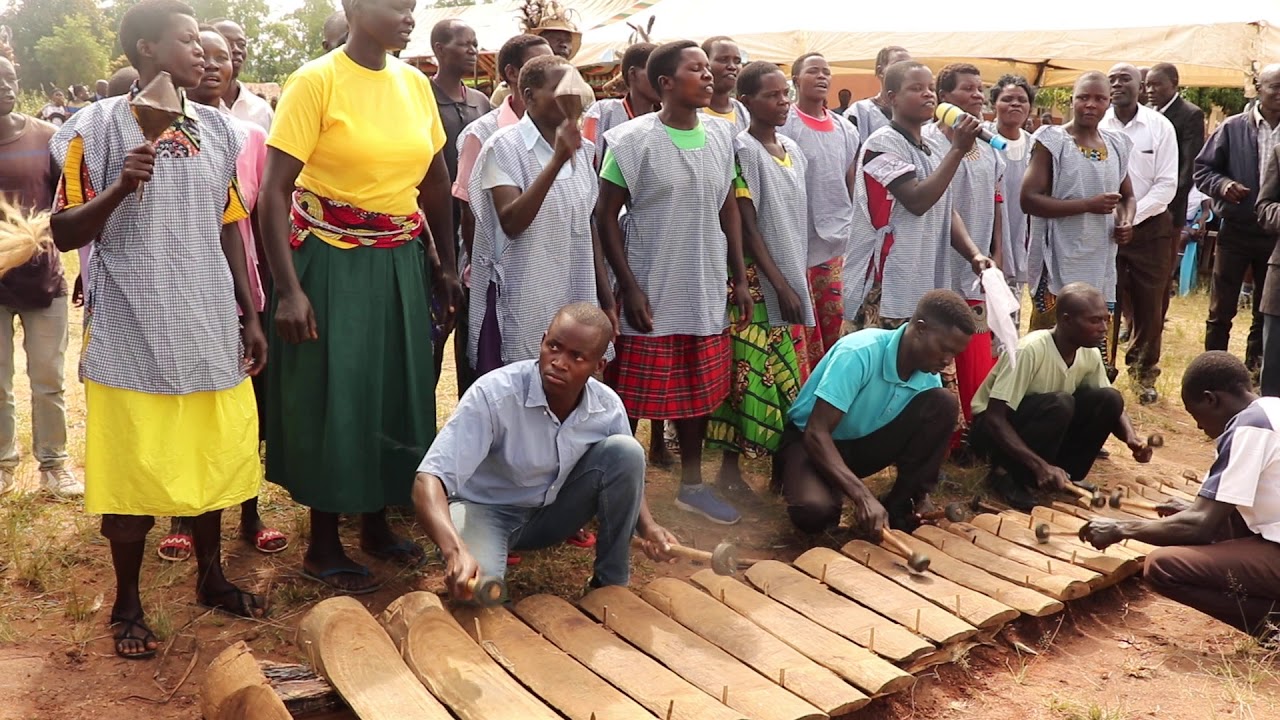
Lugbara Tribe
Lugbara Tribe
The Rich Cultural Heritage of the Lugbara Tribe
Introduction
The Lugbara tribe is a fascinating ethnic group predominantly found in the northwestern region of Uganda and the northeastern part of the Democratic Republic of the Congo. Known for their vibrant culture, unique traditions, and rich history, the Lugbara people have maintained their cultural identity despite the influences of modernization and globalization. This article delves into the various aspects of the Lugbara tribe, exploring their history, social structure, cultural practices, and the challenges they face in the contemporary world.
Historical Background
Origins and Migration
The Lugbara people are believed to have migrated from the Bahr el Ghazal region in present-day South Sudan. Their migration was driven by a combination of factors, including the search for fertile land and the need to escape conflicts with neighboring tribes. Over time, they settled in the fertile lands of the West Nile region in Uganda and parts of the Democratic Republic of the Congo.
Colonial Era
During the colonial era, the Lugbara region was divided between the British and Belgian colonial powers. This division had a significant impact on the tribe, as it disrupted their traditional way of life and introduced new administrative systems. Despite these changes, the Lugbara people managed to preserve their cultural heritage and continue to practice their customs and traditions.
Social Structure
Clan System
The Lugbara tribe is organized into a clan system, which plays a crucial role in their social structure. Each clan is made up of several extended families, and membership is determined by patrilineal descent. The clan system fosters a strong sense of identity and belonging among the Lugbara people, as it provides a framework for social organization and mutual support.
Leadership and Governance
Traditional leadership among the Lugbara is vested in the hands of clan elders, who are responsible for making important decisions and resolving disputes. These elders are respected figures within the community, and their authority is derived from their wisdom, experience, and knowledge of Lugbara customs and traditions.
Cultural Practices
Language and Communication
The Lugbara people speak the Lugbara language, which is part of the Central Sudanic language family. The language is an essential aspect of their cultural identity, as it serves as a medium for communication, storytelling, and the transmission of cultural knowledge. Efforts are being made to preserve the Lugbara language, as it faces the threat of extinction due to the influence of dominant languages such as English and Swahili.
Traditional Beliefs and Practices
The Lugbara tribe has a rich spiritual heritage, with traditional beliefs and practices that have been passed down through generations. They believe in a supreme being known as Adroa, as well as a pantheon of lesser deities and ancestral spirits. Rituals and ceremonies play a significant role in Lugbara society, as they are used to mark important life events and seek the favor of the gods.
Art and Craftsmanship
Lugbara art and craftsmanship are an integral part of their cultural identity. The tribe is known for its intricate beadwork, pottery, and weaving, which are used to create beautiful and functional items. These crafts are not only a source of pride for the Lugbara people but also serve as a means of preserving their cultural heritage and passing it on to future generations.
Challenges and Opportunities
Modernization and Cultural Preservation
As the Lugbara people navigate the challenges of modernization, they face the risk of losing their cultural identity. The influx of Western values and lifestyles has led to a decline in traditional practices and customs. However, there are ongoing efforts to preserve and promote Lugbara culture through education, cultural festivals, and the documentation of traditional knowledge.
Economic Development
The Lugbara region is rich in natural resources, offering opportunities for economic development and improved livelihoods. However, the tribe faces challenges such as limited access to education, healthcare, and infrastructure. Addressing these issues is crucial for the sustainable development of the Lugbara people and the preservation of their cultural heritage.
Conclusion
The Lugbara tribe is a testament to the resilience and adaptability of indigenous cultures in the face of change. Their rich cultural heritage, unique traditions, and strong sense of identity have enabled them to navigate the challenges of modernization while preserving their cultural identity. As the Lugbara people continue to embrace opportunities for development, it is essential to support their efforts to preserve and promote their cultural heritage for future generations.
FAQ
What is the origin of the Lugbara tribe?
The Lugbara tribe is believed to have migrated from the Bahr el Ghazal region in present-day South Sudan, eventually settling in the West Nile region of Uganda and parts of the Democratic Republic of the Congo.
How is the Lugbara tribe organized socially?
The Lugbara tribe is organized into a clan system, with each clan consisting of several extended families. Leadership is vested in the hands of clan elders, who are responsible for making important decisions and resolving disputes.
What language do the Lugbara people speak?
The Lugbara people speak the Lugbara language, which is part of the Central Sudanic language family. Efforts are being made to preserve the language, as it faces the threat of extinction due to the influence of dominant languages.
What are some traditional beliefs and practices of the Lugbara tribe?
The Lugbara tribe has a rich spiritual heritage, with beliefs in a supreme being known as Adroa, as well as lesser deities and ancestral spirits. Rituals and ceremonies are used to mark important life events and seek the favor of the gods.
What challenges do the Lugbara people face in the modern world?
The Lugbara people face challenges such as the risk of losing their cultural identity due to modernization, limited access to education, healthcare, and infrastructure, and the need for sustainable economic development. Efforts are being made to address these issues and preserve their cultural heritage.