
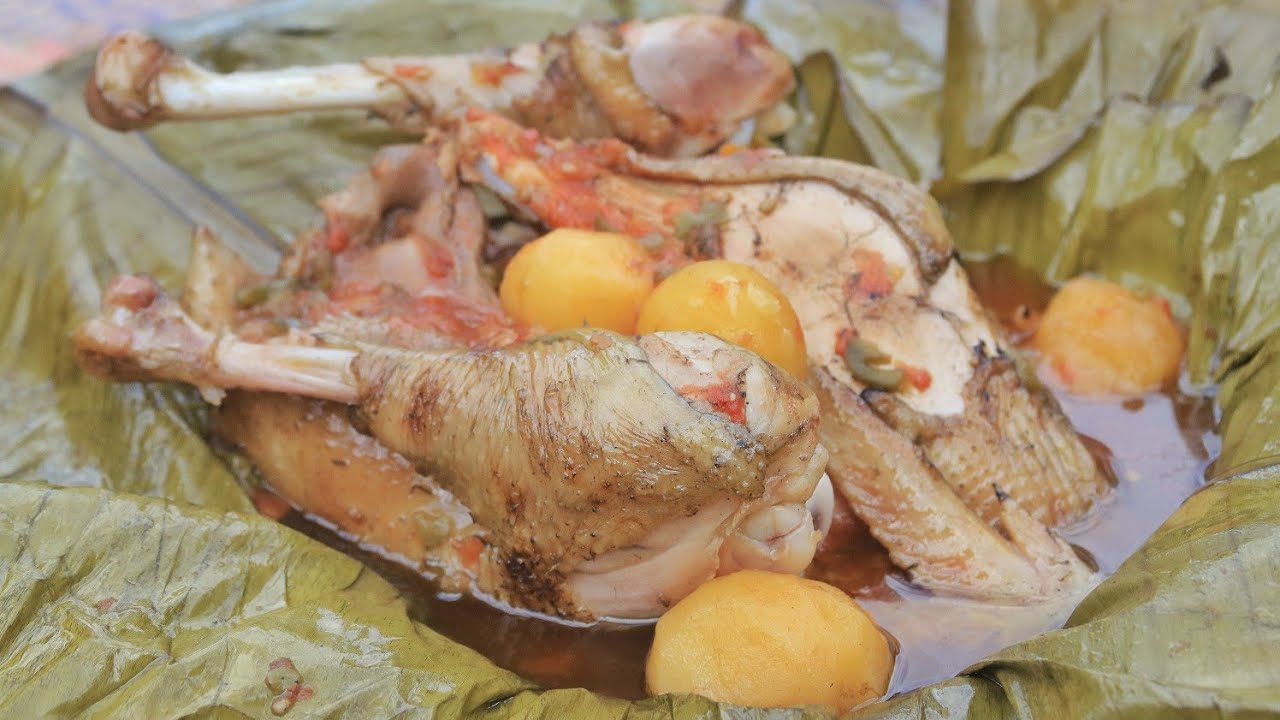
Luwombo
The Art and Tradition of Luwombo: A Culinary Journey
Luwombo, a traditional Ugandan dish, is a culinary masterpiece that has been passed down through generations. This exquisite dish is not just about taste; it embodies the rich cultural heritage and communal spirit of Uganda. In this article, we will explore the history, preparation, and cultural significance of Luwombo, ensuring you understand why it holds a special place in Ugandan cuisine.
The Origins of Luwombo
It traces its roots back to the Buganda Kingdom, one of the most influential kingdoms in Uganda. It is believed that this dish was first created by a royal chef for the Kabaka (king) of Buganda. The unique cooking method and the use of banana leaves as a natural steamer make Luwombo a dish fit for royalty.
The Cultural Significance
In Ugandan culture, It is more than just a meal; it is a symbol of hospitality and celebration. It is often prepared during special occasions such as weddings, traditional ceremonies, and family gatherings. The communal preparation and sharing of Luwombo strengthen bonds and foster a sense of unity among participants.
Ingredients and Preparation
Essential Ingredients
To prepare an authentic Luwombo, you will need the following ingredients:
- Meat (chicken, beef, or goat)
- Groundnuts (peanuts)
- Onions
- Tomatoes
- Spices (curry powder, salt, and pepper)
- Banana leaves
Step-by-Step Preparation
- Marinate the Meat: Begin by marinating the meat with spices and allowing it to absorb the flavors.
- Prepare the Sauce: Blend groundnuts, onions, and tomatoes to create a rich sauce.
- Wrap in Banana Leaves: Place the marinated meat and sauce in banana leaves, folding them securely to form a parcel.
- Steam the Parcels: Steam the parcels over a pot of boiling water, allowing the flavors to meld together.
- Serve and Enjoy: Once cooked, unwrap the parcels and serve the Luwombo with traditional staples like matoke (steamed bananas) or rice.
The Nutritional Value of Luwombo
It is not only delicious but also nutritious. The use of groundnuts provides a source of healthy fats and protein, while the banana leaves retain the dish’s nutrients during cooking. This makes Luwombo a balanced meal that is both satisfying and nourishing.
Variations of Luwombo
While the traditional recipe remains popular, there are several variations that cater to different tastes and dietary preferences. Some popular variations include:
- Vegetarian Luwombo: Made with mushrooms or beans instead of meat.
- Fish Luwombo: Incorporating fresh fish for a coastal twist.
- Spicy Luwombo: Adding extra chili for those who enjoy a kick of heat.
Luwombo in Modern Cuisine
As Ugandan cuisine gains international recognition, It has found its way into modern culinary scenes. Chefs worldwide are experimenting with this traditional dish, adding contemporary twists while preserving its authentic essence. This fusion of flavors showcases the versatility and timeless appeal of Luwombo.
Frequently Asked Questions
1. What is the origin of Luwombo?
It’s originated in the Buganda Kingdom of Uganda and was created by a royal chef for the Kabaka.
2. Can Luwombo be made vegetarian?
Yes, vegetarian Luwombo can be made using mushrooms or beans as a substitute for meat.
3. What are the main ingredients in Luwombo?
The main ingredients include meat, groundnuts, onions, tomatoes, spices, and banana leaves.
4. How is Luwombo traditionally served?
It is traditionally served with staples like matoke or rice.
5. Is Luwombo a healthy dish?
Yes, It is nutritious, providing healthy fats, protein, and essential nutrients.
Conclusion
Luwombo is more than just a dish; it is a celebration of Ugandan culture and tradition. Its rich flavors, unique preparation, and cultural significance make it a culinary treasure. Whether enjoyed in a traditional setting or with a modern twist, Luwombo continues to captivate taste buds and bring people together, embodying the true essence of Ugandan hospitality.