
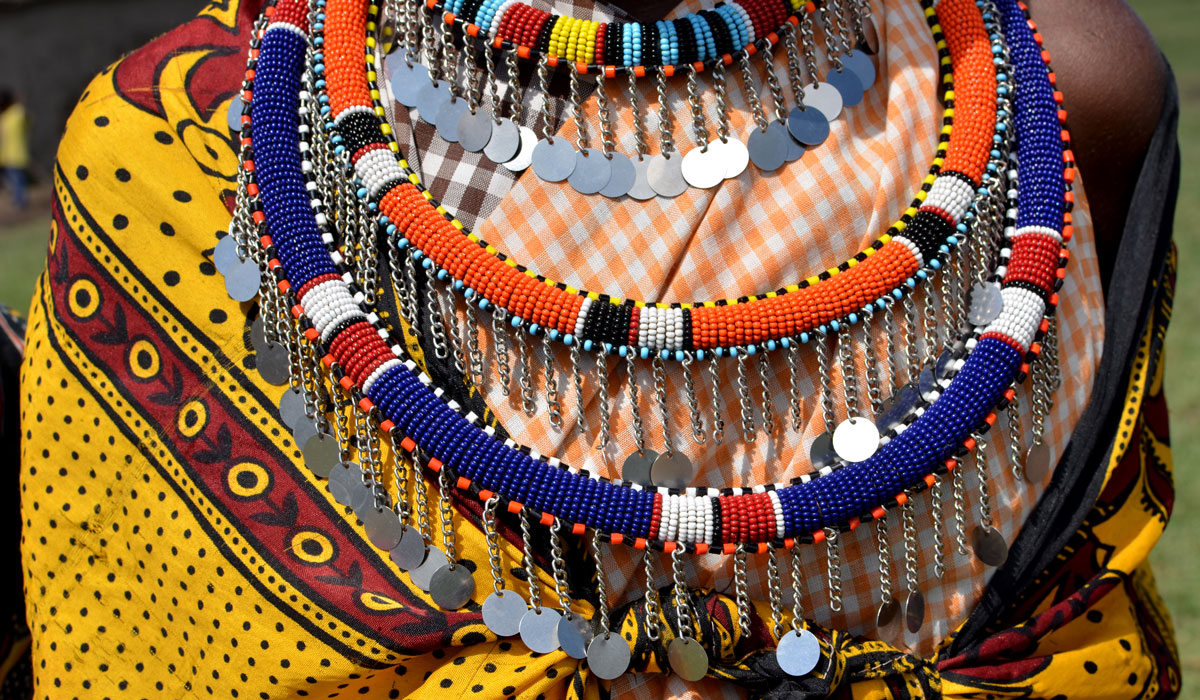
Maasai Tribe Jewelry
Maasai Tribe Jewelry
The Timeless Elegance of Maasai Tribe Jewelry: A Cultural and Artistic Legacy
The Maasai tribe, one of the most iconic ethnic groups in East Africa, is renowned not only for its rich traditions and semi-nomadic lifestyle but also for its vibrant and symbolic jewelry. Adorned in layers of colorful beads, the Maasai people wear their heritage with pride. Their intricate jewelry is more than mere ornamentation—it is a language of identity, status, and spirituality.
In this comprehensive guide, we delve into the captivating world of Maasai tribe jewelry, exploring its cultural significance, craftsmanship, materials, and its evolving role in the global fashion and art scenes.
Introduction to Maasai Jewelry
The Maasai are indigenous to Kenya and Tanzania, known for their pastoral lifestyle and deeply rooted customs. Jewelry is a central part of their identity, worn by men, women, and children alike. These adornments are not just decorative—they narrate stories of lineage, social structure, and life milestones.
Maasai jewelry is primarily made from colorful glass beads, wire, leather, and metals. Each piece is handcrafted, often taking hours or even days to complete. The artistry involved is passed down through generations, preserving both technique and tradition.
Cultural Significance of Maasai Adornments
Maasai jewelry serves as a visual language. Every necklace, bracelet, or earring carries meaning—whether it denotes marital status, age group, or social rank. Jewelry is also worn during important ceremonies such as weddings, initiations, and rites of passage.
Key Cultural Functions:
- Identity & Status: Jewelry distinguishes different clans and age sets.
- Ceremonial Use: Specific pieces are worn during rituals like Eunoto (warrior graduation).
- Spiritual Protection: Beads are believed to ward off evil spirits and bring blessings.
- Courtship & Beauty: Elaborate necklaces and earrings enhance physical appearance and attract suitors.
Materials and Techniques
Originally, Maasai jewelry was made from natural materials like bones, wood, seeds, and ivory. With the arrival of trade, glass beads became the primary medium.
Common Materials:
- Glass Beads: Imported from Europe and Asia, these beads come in a spectrum of colors.
- Leather: Used as a base for necklaces and belts.
- Metal Wire: Provides structure and flexibility.
- Plastic & Recycled Materials: Increasingly used in modern adaptations.
Crafting Techniques:
- Beading: Intricate patterns are sewn onto leather or strung into layers.
- Weaving: Some designs involve weaving beads into geometric shapes.
- Color Blocking: Colors are arranged in symbolic sequences.
Each artisan develops a unique style, yet all adhere to traditional symbolism and design principles.
Symbolism in Colors and Patterns
Color is not just aesthetic in Maasai jewelry—it is deeply symbolic. Each hue conveys a specific meaning, often tied to nature, spirituality, and societal roles.
Color Meanings:
- 🔴 Red: Bravery, strength, and unity
- ⚪ White: Purity and health (linked to cow’s milk)
- ⚫ Black: The people and the hardships they endure
- 🔵 Blue: Energy and the sky
- 🟢 Green: Land and nourishment
- 🟡 Yellow: Fertility and growth
- 🟠 Orange: Hospitality and warmth
Patterns also carry significance. For example, a circular motif may represent continuity or the cycle of life, while triangles can symbolize gender or status.
Jewelry Types and Their Meanings
Maasai jewelry comes in various forms, each with distinct cultural implications.
Common Jewelry Types:
- Necklaces: Often large and layered, worn by women to signify beauty and status.
- Earrings: Both men and women wear elongated earrings, sometimes stretching the earlobes.
- Bracelets & Anklets: Worn in pairs or stacks, often gifted during ceremonies.
- Beaded Belts: Used in dances and rituals.
- Headpieces: Reserved for special occasions like weddings.
Each piece is tailored to the wearer’s age, gender, and life stage.
Gender and Age Roles in Jewelry Wearing
Jewelry is a rite of passage in Maasai culture. From childhood to elderhood, adornments evolve to reflect one’s journey.
Women:
- Young Girls: Wear simple bead strings.
- Married Women: Adorn themselves with elaborate collars and earrings.
- Elders: Prefer more conservative yet symbolic pieces.
Men:
- Warriors (Morans): Wear earrings, bracelets, and beaded weapons.
- Elders: Often wear simpler, symbolic jewelry.
The transition from one life stage to another is often marked by a change in jewelry style and complexity.
Modern Influence and Global Appeal
Maasai jewelry has transcended its traditional roots to become a global fashion statement. Designers and celebrities have embraced its bold aesthetics, incorporating Maasai-inspired pieces into haute couture and streetwear.
Global Trends:
- Runway Appearances: Featured in collections by brands like Valentino and Dior.
- Celebrity Endorsements: Worn by figures like Beyoncé and Lupita Nyong’o.
- Cultural Collaborations: Partnerships with Maasai artisans to preserve authenticity.
However, this global exposure raises questions about cultural appropriation versus appreciation. Ethical sourcing and fair trade practices are essential to ensure that Maasai communities benefit from their craftsmanship.
Sustainability and Ethical Sourcing
With the rise of ethical fashion, Maasai jewelry has found a place in sustainable markets. Many cooperatives and NGOs now work directly with Maasai women to create fair-trade jewelry.
Sustainable Practices:
- Use of Recycled Materials: Plastic beads and wires are often repurposed.
- Fair Wages: Artisans are paid fairly for their work.
- Community Development: Proceeds support education, healthcare, and empowerment programs.
Organizations like The Leakey Collection and BeadWORKS Kenya are leading examples of ethical Maasai jewelry initiatives.
How to Style Maasai-Inspired Jewelry
Maasai jewelry is bold and expressive, making it a perfect statement piece in any wardrobe.
Styling Tips:
- Minimalist Outfits: Let the jewelry shine by pairing it with neutral tones.
- Layering: Combine multiple necklaces or bracelets for a dramatic look.
- Cultural Fusion: Mix Maasai pieces with modern or boho styles.
- Occasion-Based: Wear elaborate collars for events, and simpler pieces for daily wear.
Remember, wearing Maasai jewelry should be done with respect and understanding of its cultural roots.
Where to Buy Authentic Maasai Jewelry
To support genuine Maasai artisans and avoid mass-produced imitations, consider purchasing from reputable sources.
Trusted Platforms:
- Maasai Women Art
- The Leakey Collection
- BeadWORKS Kenya
- Novica
- Etsy (Search for verified Maasai sellers)
Look for certifications, artisan bios, and fair-trade labels to ensure authenticity.
Frequently Asked Questions
1. What is the significance of Maasai jewelry?
Maasai jewelry symbolizes identity, status, and life stages. It is worn during ceremonies and daily life to express beauty, spirituality, and social roles.
2. What materials are used in traditional Maasai jewelry?
Traditional pieces use glass beads, leather, metal wire, and sometimes recycled materials. Earlier versions included bone, wood, and ivory.
3. Can non-Maasai people wear Maasai jewelry?
Yes, but it should be worn with cultural sensitivity. Supporting authentic artisans and understanding the meaning behind the pieces is essential.
4. How can I tell if Maasai jewelry is authentic?
Look for handmade craftsmanship, traditional color patterns, and purchase from verified fair-trade sources or Maasai cooperatives.
5. Is Maasai jewelry sustainable?
Many modern Maasai jewelry initiatives prioritize sustainability through recycled materials and fair-trade practices that benefit local communities.
Conclusion
Maasai tribe jewelry is more than just decorative art—it is a living testament to a people’s heritage, resilience, and creativity. As it gains global recognition, it’s crucial to honor its origins and support the artisans who keep this tradition alive. Whether worn for fashion or collected as cultural artifacts, Maasai jewelry continues to inspire with its timeless beauty and profound meaning.