
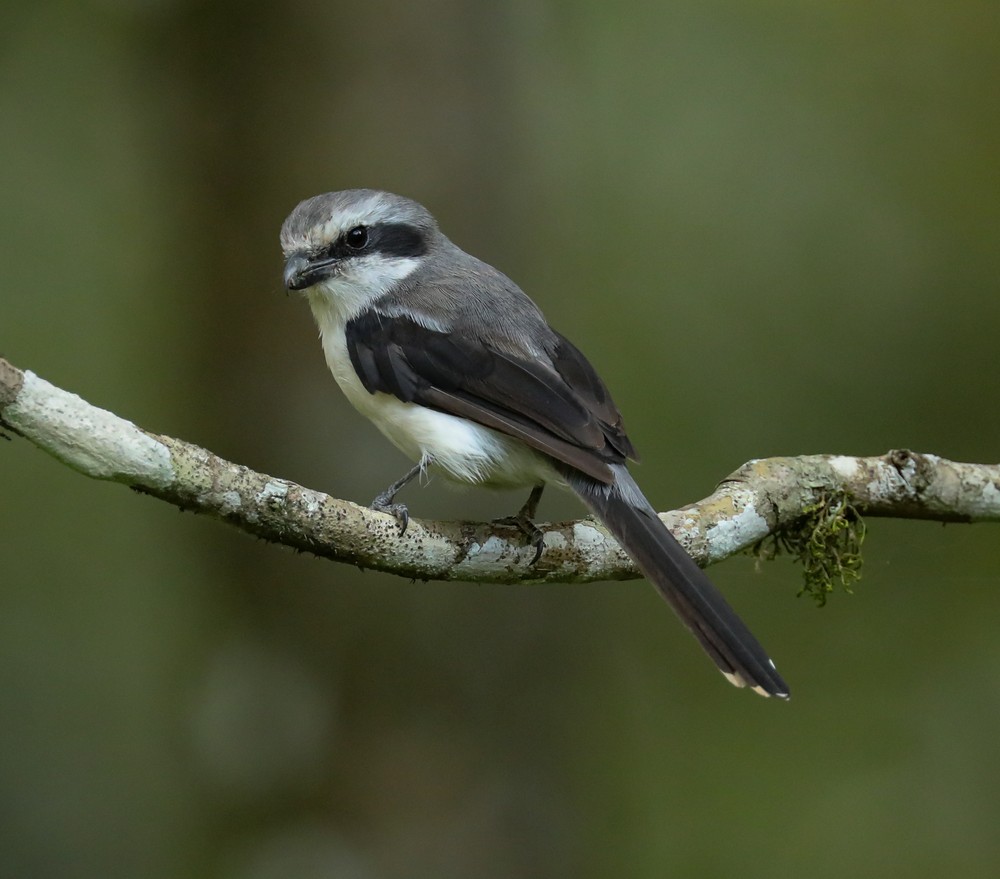
Mackinnon’s Shrike
Mackinnon’s Shrike
Mackinnon’s Shrike: A Complete Guide to the Elusive African Songbird
Introduction
The African continent is home to a dazzling array of avian species, each with its own unique charm and ecological role. Among these, Mackinnon’s Shrike (Lanius mackinnoni) stands out as a lesser-known yet fascinating bird, captivating ornithologists and birdwatchers alike. This comprehensive guide explores the biology, habitat, behavior, and conservation status of this enigmatic bird, offering a deep dive into one of Africa’s most intriguing feathered inhabitants.
Taxonomy and Classification
Mackinnon’s Shrike belongs to the family Laniidae, a group of passerine birds known for their distinctive predatory behavior. The scientific name of the species is Lanius mackinnoni, named in honor of the Scottish explorer and naturalist Archibald Mackinnon.
Taxonomic Hierarchy:
- Kingdom: Animalia
- Phylum: Chordata
- Class: Aves
- Order: Passeriformes
- Family: Laniidae
- Genus: Lanius
- Species: Lanius mackinnoni
This bird is often mistaken for other members of the shrike family due to its similar plumage and size. However, subtle differences in coloration and range help distinguish it from closely related species like the Grey-backed Fiscal and the Common Fiscal.
Physical Description
Mackinnon’s Shrike is a medium-sized bird, typically measuring between 20–23 cm in length. It has a robust body, a strong hooked beak, and a long tail—features that are characteristic of shrikes.
Key Features:
- Plumage: Slate-grey upperparts with a contrasting white underbelly.
- Facial Mask: A distinctive black stripe runs through the eyes, giving it a masked appearance.
- Wings: Black with white patches visible during flight.
- Bill: Strong, hooked, and adapted for tearing prey.
- Eyes: Dark and piercing, aiding in precise vision for hunting.
These physical traits not only aid in identification but also reflect the bird’s predatory lifestyle.
Habitat and Distribution
Mackinnon’s Shrike is predominantly found in the central and western regions of sub-Saharan Africa. Its range includes countries such as:
- Cameroon
- Nigeria
- Gabon
- Democratic Republic of Congo
- Equatorial Guinea
Preferred Habitats:
- Forest Edges
- Savannah Woodlands
- Secondary Growth Forests
- Shrublands
Unlike some shrikes that prefer open grasslands, Mackinnon’s Shrike thrives in areas with dense vegetation, often perching conspicuously on tree branches or utility wires.
Behavior and Diet
Shrikes are often referred to as “butcher birds” due to their unique feeding habits, and Mackinnon’s Shrike is no exception. This bird is a skilled predator, known for impaling its prey on thorns or barbed wire—a behavior that aids in both food storage and consumption.
Diet Includes:
- Insects: Beetles, grasshoppers, and caterpillars
- Small Vertebrates: Lizards, frogs, and occasionally small birds
- Arachnids: Spiders and scorpions
Hunting Techniques:
- Perch-and-pounce strategy
- Aerial sallying to catch flying insects
- Ground foraging in leaf litter
This behavioral adaptability makes it a formidable predator in its ecological niche.
Breeding and Reproduction
The breeding season of Mackinnon’s Shrike varies depending on its geographical location but generally coincides with the rainy season when food is abundant.
Reproductive Traits:
- Nesting: Cup-shaped nests built in dense shrubs or trees
- Clutch Size: 3–5 eggs
- Incubation: Approximately 14–16 days
- Fledging: Chicks leave the nest around 18–20 days post-hatching
Both parents are involved in feeding and protecting the young, showcasing a strong pair bond.
Vocalizations and Communication
Mackinnon’s Shrike is not just a visual marvel but also an auditory one. Its vocal repertoire includes a series of whistles, trills, and harsh calls used for communication and territory defense.
Common Calls:
- Territorial Call: A sharp “kree-kree” sound
- Alarm Call: A rapid series of chattering notes
- Mating Call: Soft, melodic whistles
These vocalizations play a crucial role in maintaining social structure and reproductive success.
Conservation Status
According to the IUCN Red List, Mackinnon’s Shrike is currently listed as a species of “Least Concern.” However, this status does not imply immunity from threats.
Population Trends:
- Stable in protected areas
- Declining in regions facing deforestation and habitat fragmentation
Conservationists emphasize the need for continuous monitoring to prevent future declines.
Threats and Challenges
Despite its current conservation status, Mackinnon’s Shrike faces several anthropogenic and natural threats.
Major Threats:
- Habitat Loss: Due to logging, agriculture, and urban expansion
- Pesticide Use: Reduces prey availability and causes poisoning
- Climate Change: Alters habitat and food distribution
- Predation: By snakes, raptors, and domestic cats
Mitigation Strategies:
- Promoting sustainable land use
- Establishing protected areas
- Environmental education and awareness campaigns
Importance in Ecosystem
Mackinnon’s Shrike plays a vital role in maintaining ecological balance.
Ecological Contributions:
- Pest Control: Regulates insect populations
- Prey Base: Serves as food for larger predators
- Seed Dispersal: Occasionally aids in dispersing seeds through its diet
Its presence is often an indicator of a healthy and biodiverse ecosystem.
How to Spot Mackinnon’s Shrike
For birdwatchers and ecotourists, spotting this elusive bird can be a rewarding experience.
Tips for Observation:
- Best Time: Early morning or late afternoon
- Equipment: Binoculars, field guide, and camera
- Locations:
Look for it perched on exposed branches, scanning the surroundings for prey.
Frequently Asked Questions
1. What makes Mackinnon’s Shrike different from other shrikes?
Mackinnon’s Shrike is distinguished by its preference for forested habitats and its unique vocalizations. Unlike the Common Fiscal, it is more elusive and less commonly seen in open areas.
2. Is Mackinnon’s Shrike endangered?
No, it is currently listed as a species of Least Concern, but ongoing habitat destruction could pose future risks.
3. What does Mackinnon’s Shrike eat?
Its diet includes a variety of insects, small vertebrates, and arachnids. It is known for impaling prey on sharp objects—a behavior typical of shrikes.
4. Where can I see Mackinnon’s Shrike in the wild?
You can spot it in several Central African countries, particularly in forest edges and secondary growth areas. National parks in Cameroon and Gabon are prime locations.
5. How does Mackinnon’s Shrike contribute to the ecosystem?
It helps control insect populations, serves as prey for larger animals, and may assist in seed dispersal. Its role is crucial for maintaining ecological balance.
Conclusion
Mackinnon’s Shrike is a testament to the rich biodiversity of Africa’s avian world. Though not as widely recognized as some of its relatives, this bird offers a fascinating glimpse into the complexity of forest ecosystems. Its predatory prowess, haunting calls, and ecological importance make it a subject worthy of admiration and protection.
As we continue to explore and document the natural world, let us not overlook the quiet, masked sentinel of the African woodlands—the remarkable Mackinnon’s Shrike.